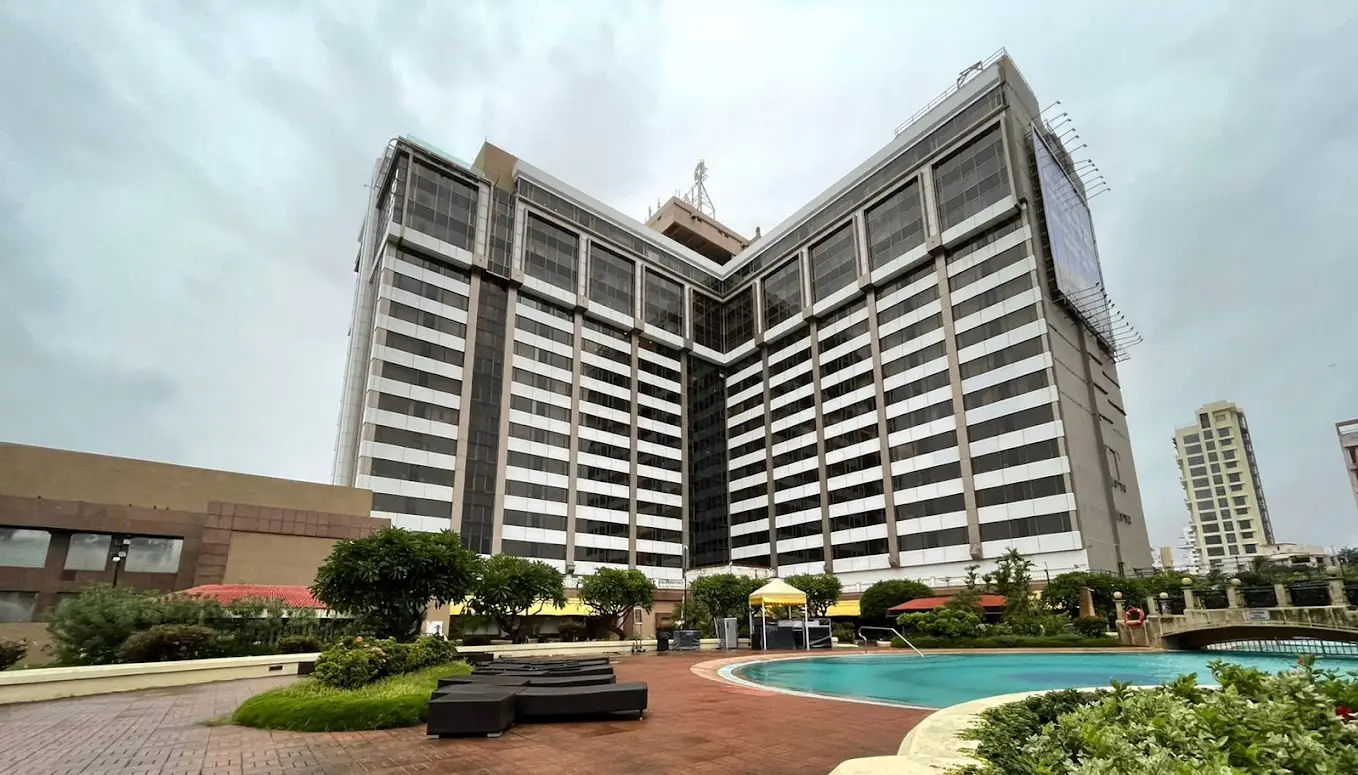
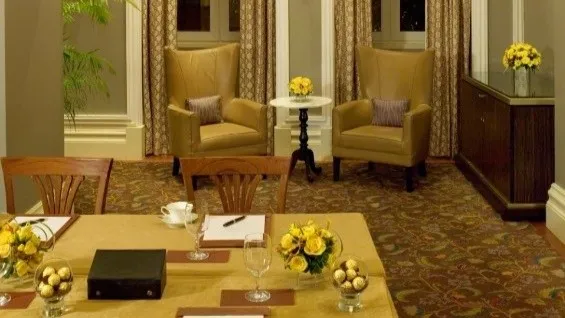
Sapphire Room
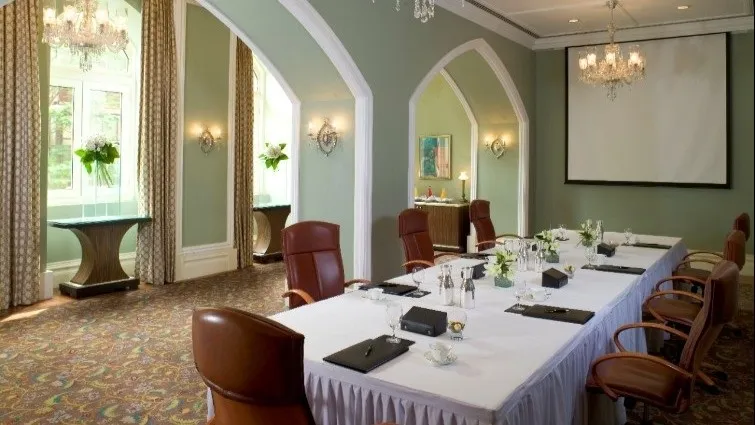
20 guests max517 sq.ft.26 × 20 × 39 ft

Apollo Bandar, Colaba, Mumbai, Maharashtra 400001, India
A century of civic pride anchors every event held at The Taj Mahal Palace, Mumbai — India's first harbour-front landmark hotel, opened in 1903 by Jamsetji Tata and continuously operated as a luxury property through every decade since. Facing the Gateway of India at Apollo Bandar, the property carries a Taj Hotels brand identity that signals institutional credibility to corporate clients and wedding families alike. For professional planners, that heritage is not sentiment — it is a procurement argument, a board-level comfort signal, and a brand association that appears on invitation cards.
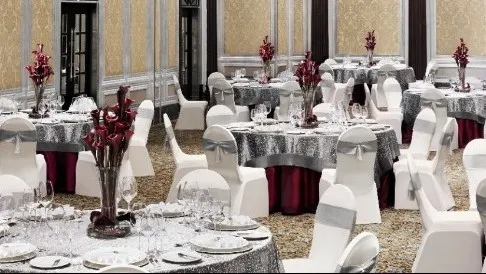
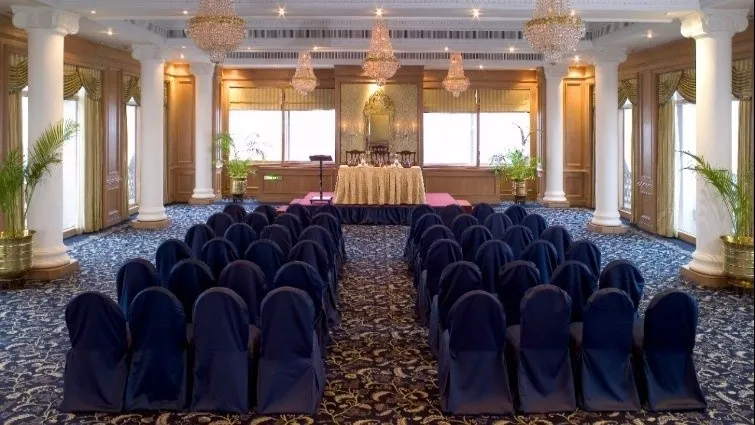
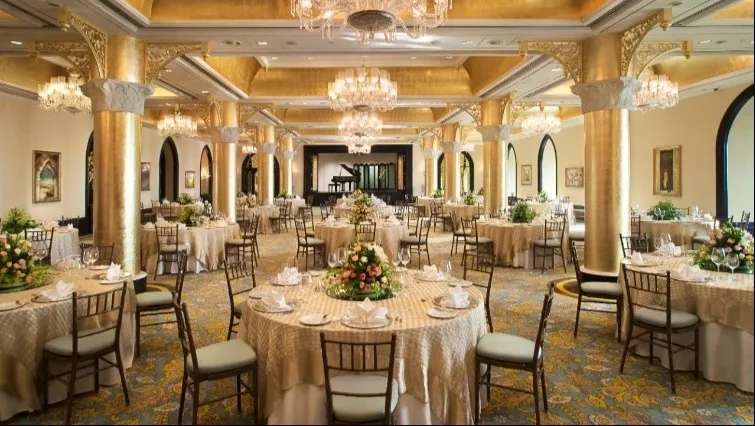
The property's primary event floor spans multiple named halls across the Palace Wing and the Tower Wing. The Grand Ballroom accommodates up to 500 guests in a floating or cocktail setup and is the flagship space for weddings, galas, and large-scale corporate dinners. The Rendezvous and the Harbour Bar pre-function area extend the arrival and cocktail experience for multi-stage events. For mid-size conferences and boardroom formats — including theatre-style seating, hollow square, and cluster configurations — the Starboard and Port rooms function as breakout modules adjacent to the ballroom floor, making The Taj Mahal Palace, Mumbai a credible MICE venue for delegate counts between 30 and 500 across a single-property footprint.
The property's event programme covers two distinct demand streams with equal technical depth. Corporate bookings — product launches, annual general meetings, leadership conclaves, and incentive travel groups — benefit from dedicated AV infrastructure, high-bandwidth Wi-Fi, and an in-house events coordination team experienced in managing simultaneous breakout sessions. Social events, including weddings and milestone celebrations, draw on in-house catering with multi-cuisine menus, a licensed bar programme, and décor coordination aligned to Taj brand standards. The honest planning nuance: the maximum seated dining capacity across a single contiguous space is lower than the 650-guest floating figure, so planners designing a formal plated dinner for large groups should confirm room configuration with the events desk before finalising the guest list.
The Taj Mahal Palace has received the UNESCO Asia-Pacific Award for Cultural Heritage Conservation following the property's post-2008 restoration — a publicly documented recognition that speaks directly to the structural and aesthetic integrity of the event spaces. Condé Nast Traveller has consistently listed the property among India's leading luxury hotels across multiple reader and editors' choice cycles. For a corporate booker or wedding planner presenting venue options to a decision committee, these verifiable credentials reduce approval friction and transfer institutional trust from the hotel brand to the event itself.
The Spalba listing for this property carries verified capacity data, space-level specifications, and direct RFP submission functionality — removing the back-and-forth that typically delays venue confirmation. Planners evaluating The Taj Mahal Palace, Mumbai alongside other Apollo Bandar and South Mumbai properties can use Spalba's comparison tools to assess PAX range, catering model, and turnaround time against shortlisted alternatives. The decision to place an event at a property of this standing deserves a structured evaluation — the listing is the right place to begin that process.

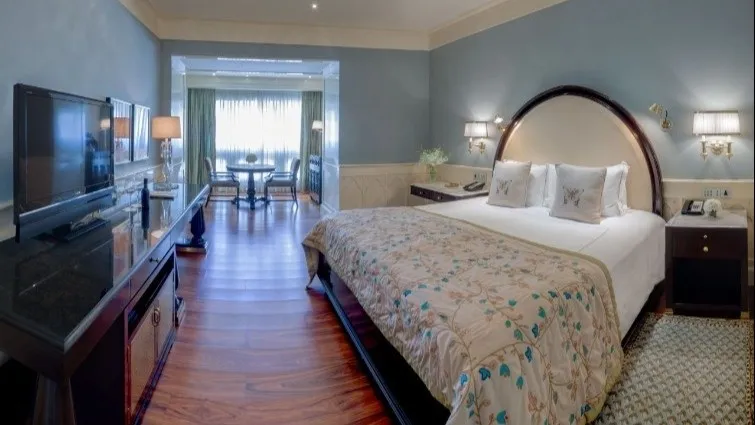
These immaculately planned rooms offer an exclusive host of amenities such as access to 50% off on airport transfers, ironing of two garments per stay…
This 70 sq mt suite has a separate bedroom, living area, and a spacious bathroom. It includes Taj Club facilities, 50% off on airport transfers. These…
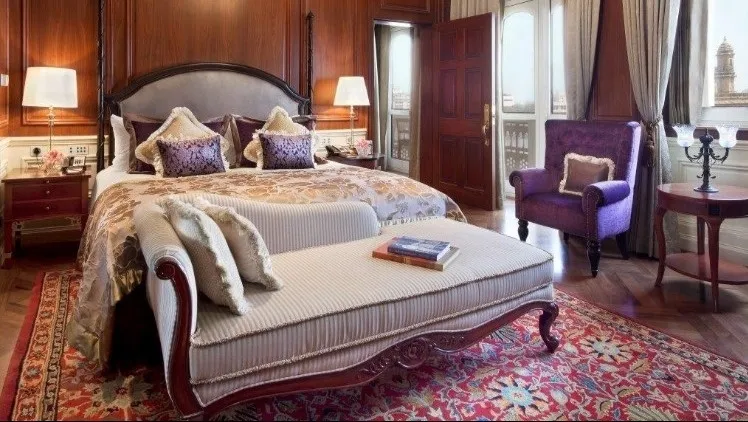
These picturesque thematic suites have a spacious living area and bedroom. These include access to the Palace Lounge, Taj Club facilities, butler serv…
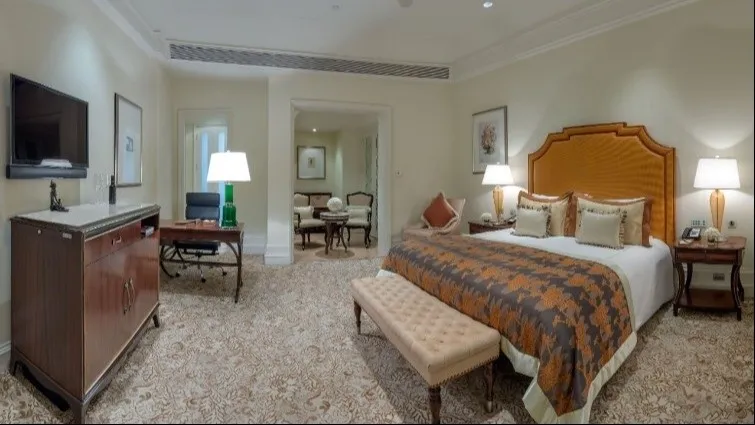
These cozy rooms located in the historic Palace Wing are the gateway to a memorable experience. Perfect for meditation, these windowless rooms offer y…
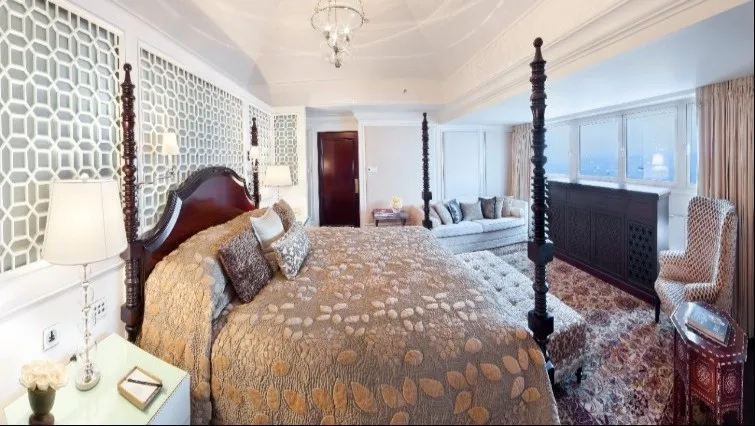
Created in the honor of our Founder, The Tata Suite is an extravagance of exotic artifacts, lush carpets, priceless paintings, authentic colonial furn…
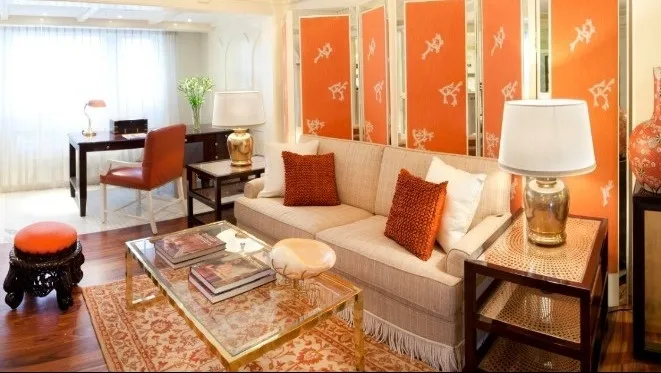
These picturesque thematic suites have a spacious living area and bedroom. These include Taj Club facilities, two-way airport transfers. These suites…
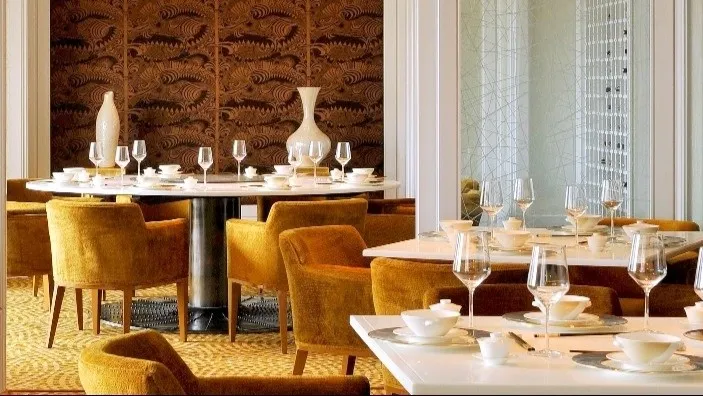
This illustrious restaurant is famous for its delectable Sichuan and Cantonese cuisines, and its unique live kitchen. Dress Code: Smart Casual Timings…
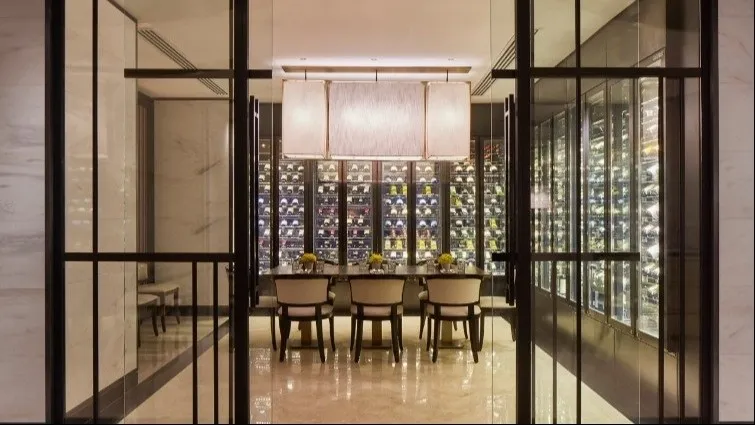
Shamiana, the original coffee shop of the city, offers an all-day dining experience with an international à la carte menu to suit every mood and palat…
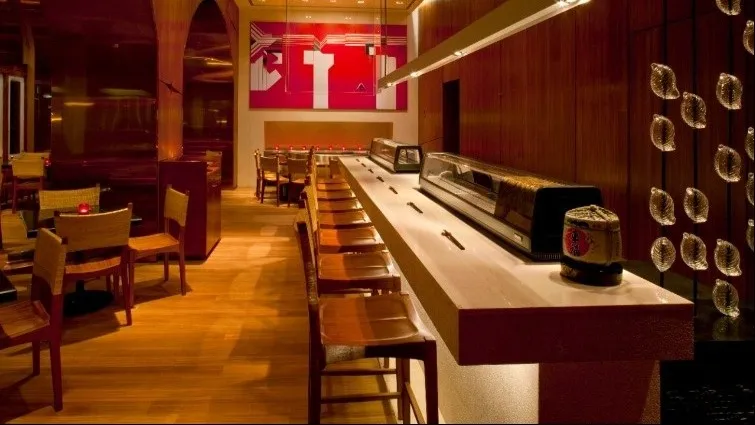
Enjoy classic Japanese dishes with innovative contemporary twists, made with ingredients specially flown in from Japan. Dress Code: Smart Casual Timin…

The cake shop and delicatessen offers delicious desserts, breads, cheeses, savoury and sweet treats, beverages and international wines, as well as exc…
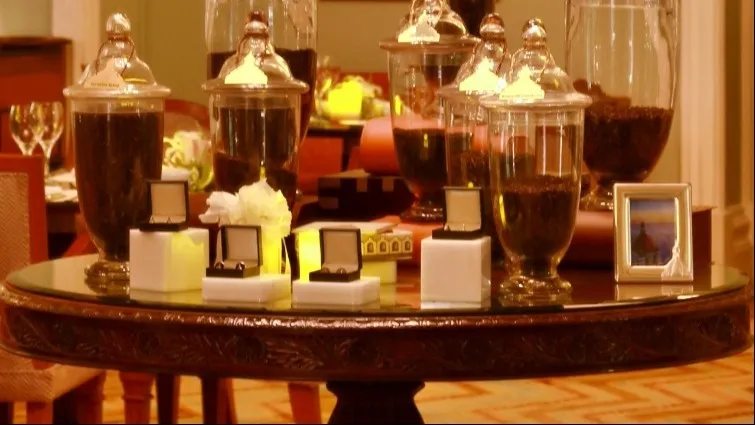
The extensive afternoon tea features classic English delicacies and delightful local Indian favourites with some of the world's finest teas and coffee…
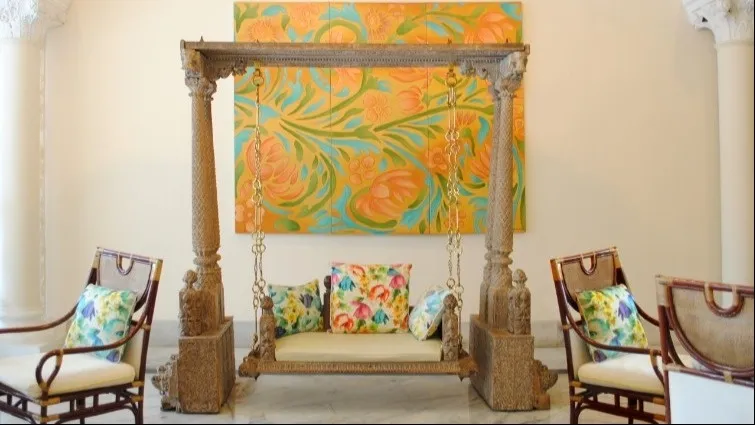
Sit back and relax with light bites, heavenly desserts and exotic drinks at this exclusive outdoor poolside restaurant. Dress Code: Smart Casual Timin…
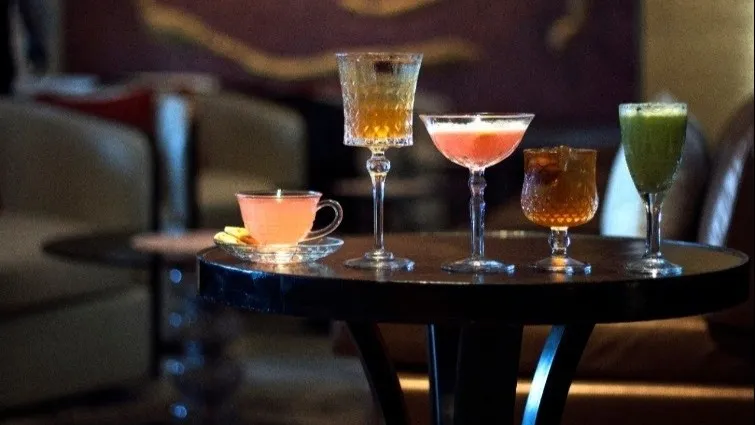
Sample fine malts, international wines, Asian spice cocktails and global tapas in Mumbai’s first licensed stylish lounge bar. Dress Code: Smart Casual…
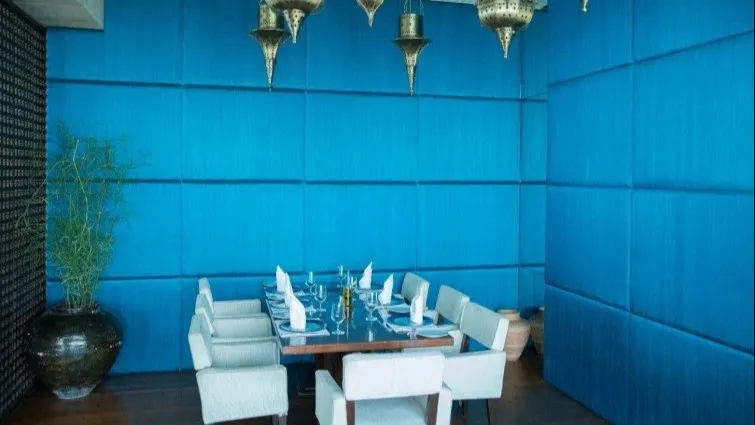
This charming rooftop restaurant is renowned for its exquisite Eastern Mediterranean cuisine. Dress Code: Smart Casual Timings: 1230 Hrs to 1445 Hrs ,…
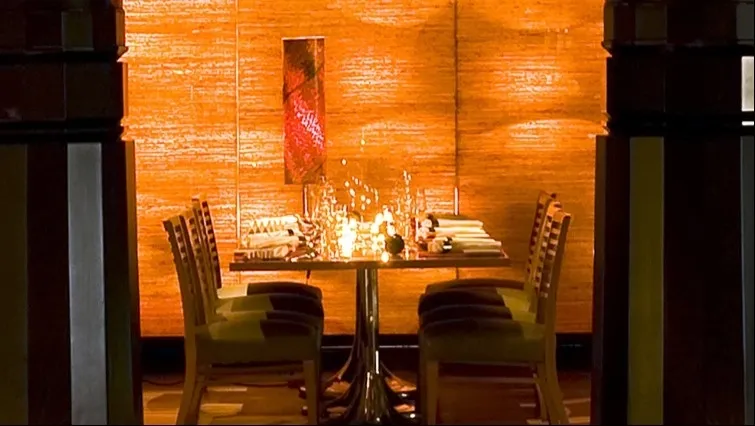
The specialty Indian restaurant where hand-ground spices and traditional recipes spell magic on one’s palate blending culinary innovations with tradit…
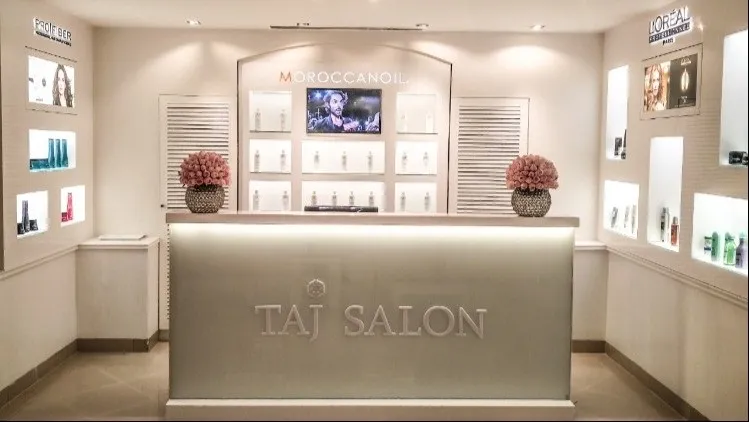
One of the most premier & prestigious salons in the City, the Taj Salon celebrated its 75th anniversary in 2015.
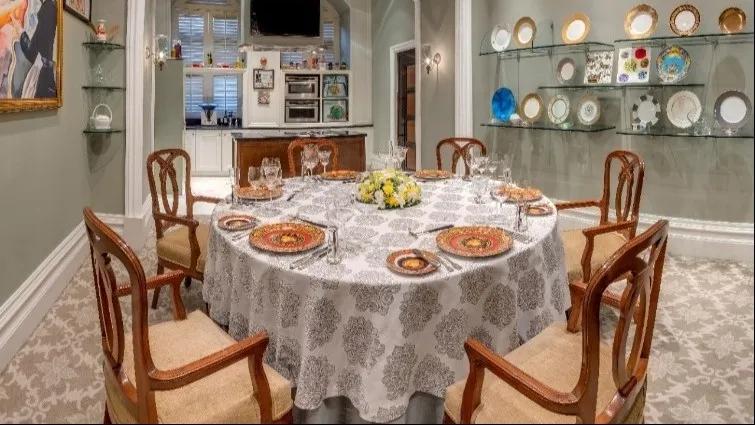
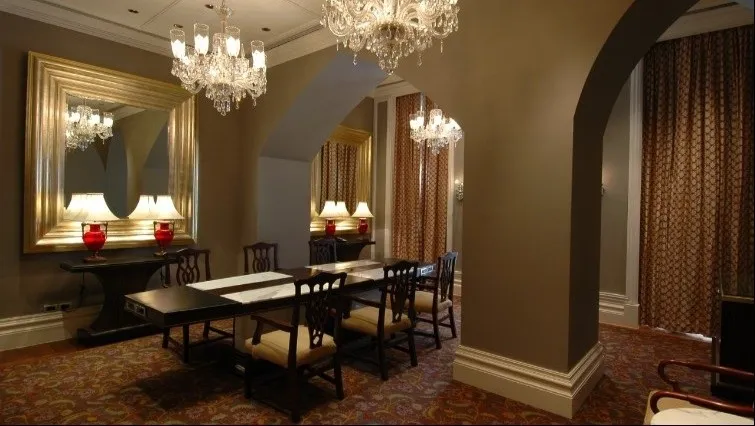
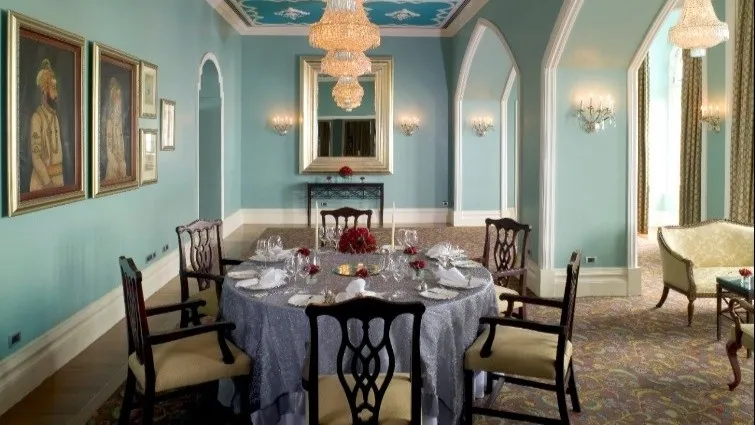
At The Taj Mahal Palace, hotel offers a private dining in mesmeric settings, with handcrafted menus and impeccable service. Engage all your senses wit…
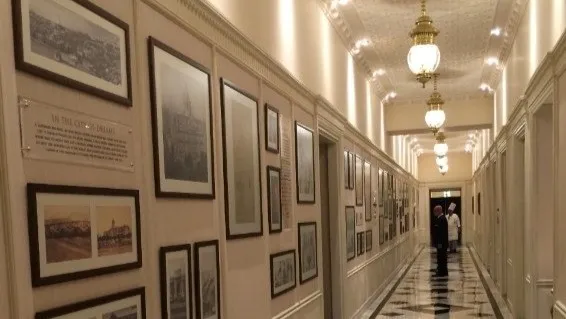
Hotel offers a historic walk through the hotel where every pillar tells a story.

You don’t need a festival or a special occasion, to send your affection to a loved one!
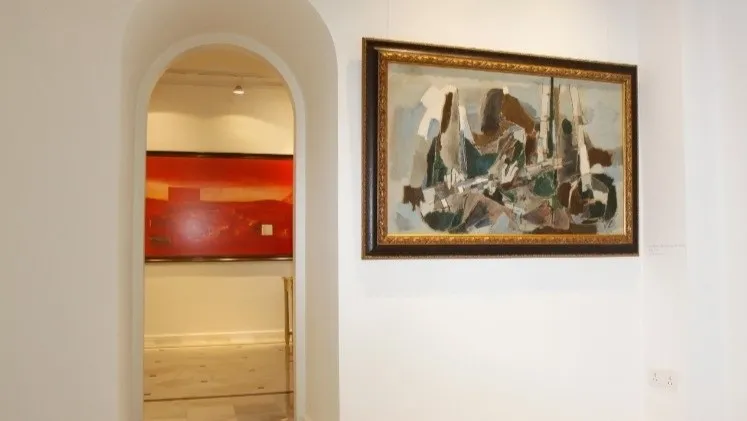
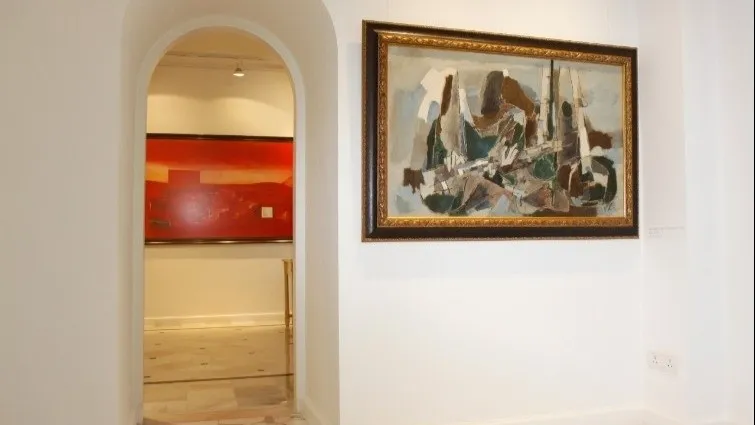
The Taj Art Gallery, is a beautiful space in the historical Palace Wing. Artists, as well as commercial gallerists from around the country have access…
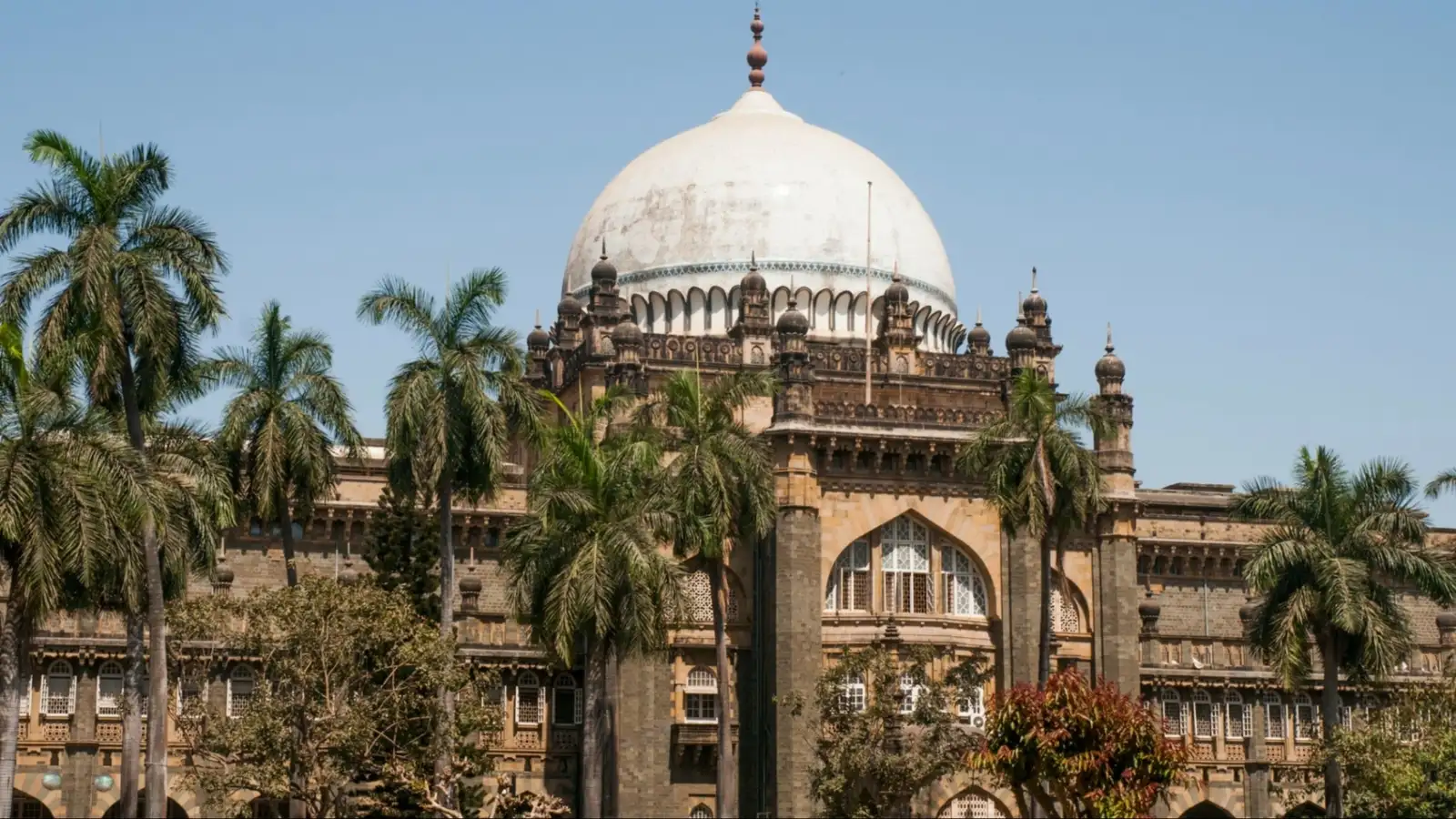
1015 Hrs to 1800 Hrs
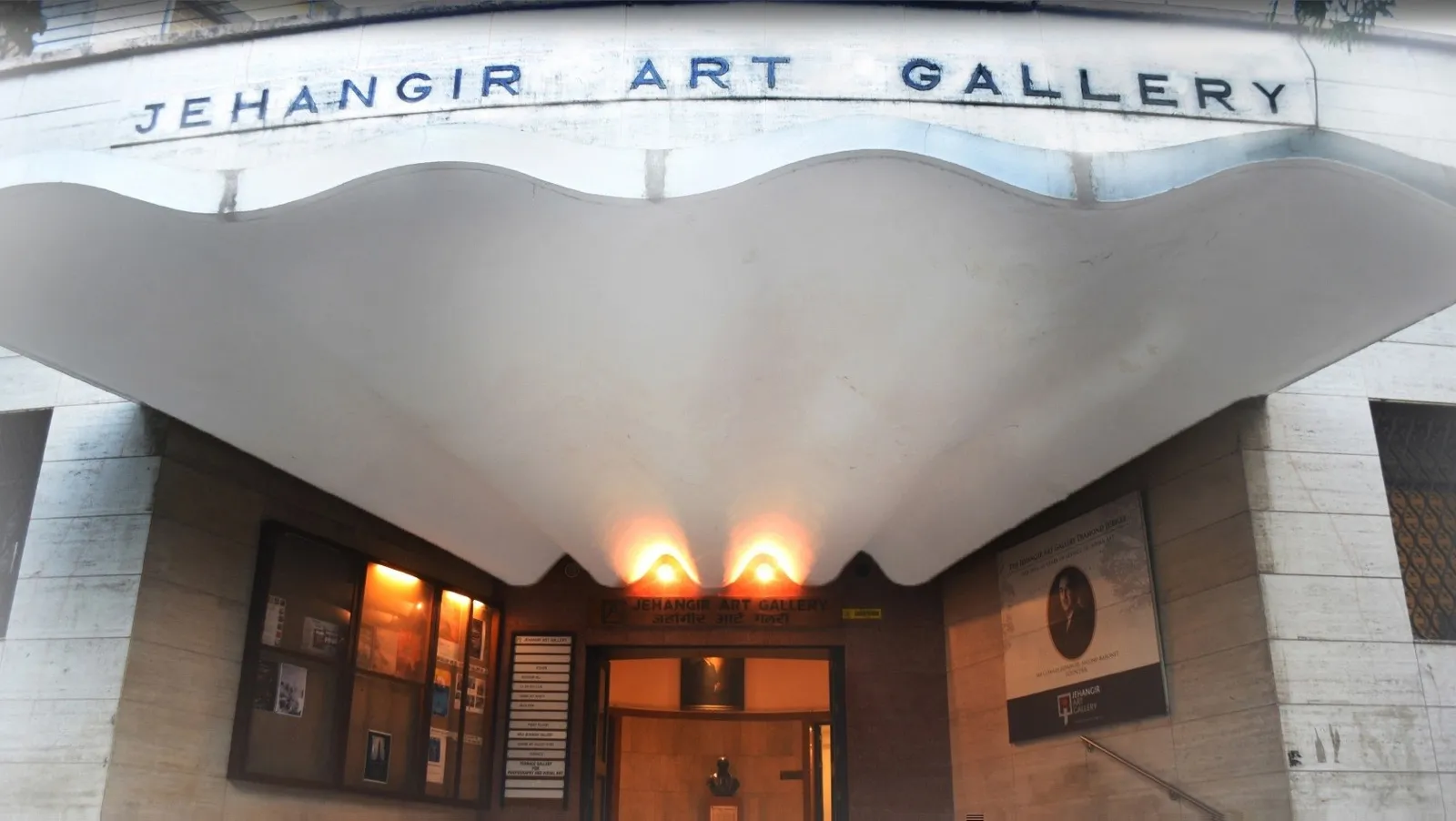
1100 Hrs to 1900 Hrs
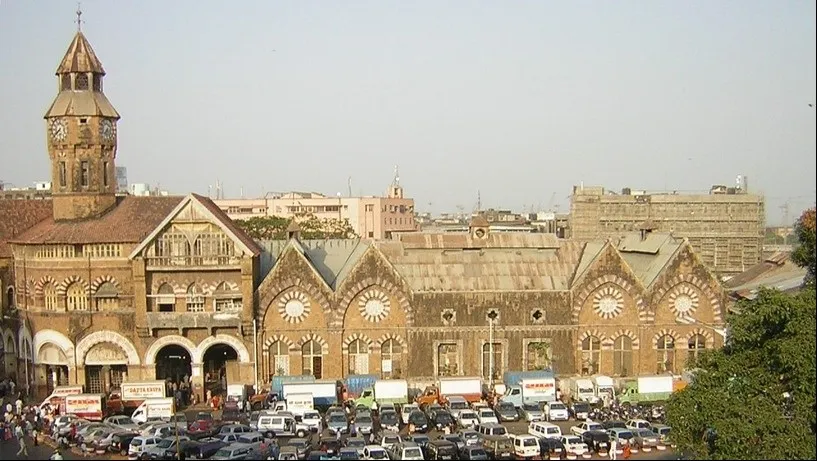
0900Hrs to 2000 Hrs
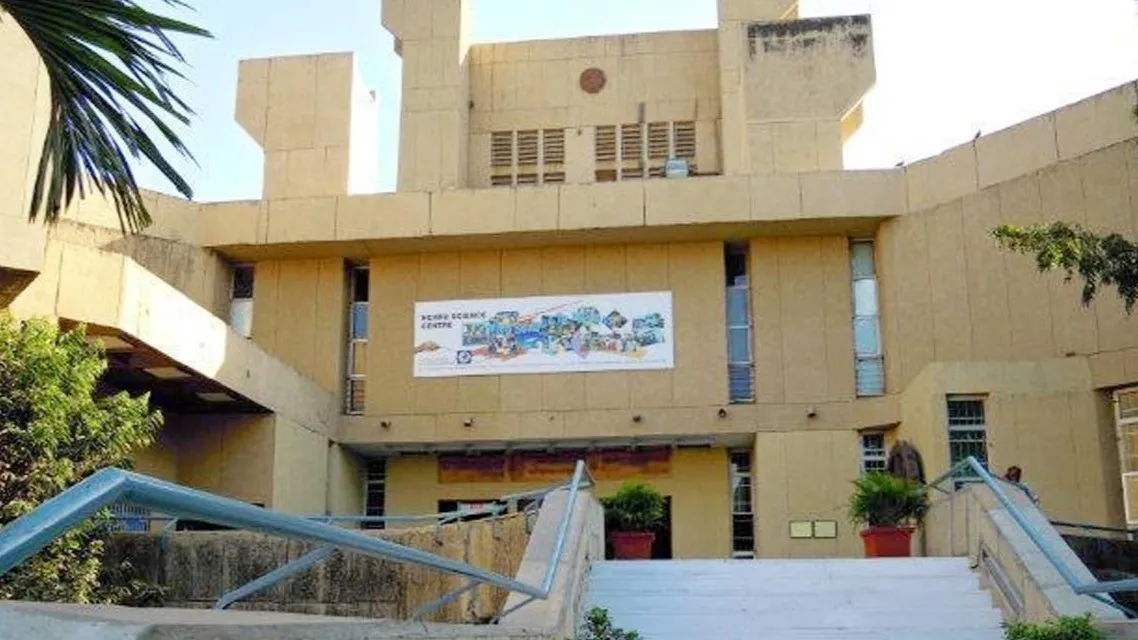
0930Hrs to 1800Hrs
No reviews yet. Be the first to share your experience at The Taj Mahal Palace,Mumbai.
The Taj Mahal Palace Mumbai features over a dozen distinct banquet and event venues, including the grand Ballroom accommodating up to 500 guests in a banquet setup and the Harbour View spaces ideal for intimate gatherings. This iconic luxury hotel venue in South Mumbai spans indoor halls, pillarless rooms, and open-air terraces, giving planners exceptional flexibility across formats. Submit a capacity enquiry directly via the Spalba listing.
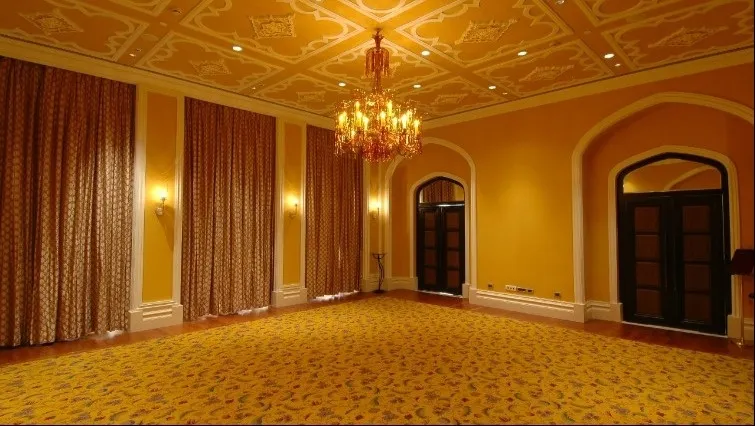
The property's portfolio of interconnected and standalone event spaces allows multiple functions to run concurrently without overlap. Smaller gatherings can be hosted in private dining rooms and heritage chambers while a larger celebration occupies the Ballroom or the Crystal Room. The dedicated events team coordinates scheduling to ensure each event maintains its own ambience and guest flow throughout the day.
The Taj Mahal Palace Mumbai's seafront terraces and outdoor event areas offer direct sightlines to the Gateway of India and the Arabian Sea. These open-air settings are popular for cocktail receptions, sundowners, and pre-wedding functions. The property coordinates event logistics including lighting and weather contingency plans to ensure outdoor occasions proceed smoothly regardless of seasonal conditions.
Catering at The Taj Mahal Palace Mumbai operates entirely through the hotel's in-house culinary team, one of the most established luxury hospitality catering operations in India. Multi-cuisine menus spanning Indian, Continental, Asian, and bespoke tasting options are available. Dedicated Jain, vegetarian, and allergen-specific menus can be arranged. Alcohol is served under the property's valid licenses. For detailed menu packages, planners can raise an enquiry on Spalba.
The hotel provides professional AV infrastructure including high-resolution projection systems, LED displays, wireless PA systems, and high-speed Wi-Fi connectivity across event venues. A dedicated in-house technical crew is available for setup, live support, and breakdown. Corporate planners requiring bespoke staging or broadcast-quality production can work with the hotel's preferred technical partners to augment the base AV setup.
The Taj Mahal Palace Mumbai has 285 rooms and suites spread across the Palace Wing and the Tower Wing. Room categories include Superior Rooms, Luxury Rooms, and landmark suites, some offering direct views of the Gateway of India. Negotiated group room blocks can be arranged for weddings, MICE groups, and multi-day conferences, with check-in and check-out schedules aligned to event programming.
Located at Apollo Bandar in South Mumbai, this heritage event hotel is approximately 28 to 32 kilometres from Chhatrapati Shivaji Maharaj International Airport, with travel time ranging from 45 minutes to over 90 minutes depending on traffic conditions. The property offers airport transfer services. The nearest suburban railway station is CST, roughly 2 kilometres away, making local transit accessible for outstation guests.
The Taj Mahal Palace Mumbai provides valet parking services for event guests. Given the dense urban location at Apollo Bandar, self-parking space on the property is limited, and valet is the primary mode of vehicle management. For large-scale events expecting significant private vehicle movement, the events coordination team recommends advance discussion on staggered arrival and departure scheduling to optimise guest flow.
The Taj Mahal Palace Mumbai has made provisions for differently-abled guest access, including lift access across floors and ramp facilities at select entry points. The events team can advise on which specific halls and routes are fully accessible depending on the nature of the event and the requirements of attending guests. Planners with specific accessibility needs are encouraged to detail requirements at the enquiry stage via Spalba.
Given its status as one of Mumbai's most sought-after luxury event venues, peak season dates — particularly the October to February wedding and conference season — are typically secured six to twelve months in advance. Corporate bookings for off-peak periods can sometimes be confirmed within a shorter window. Planners are strongly advised to submit an availability enquiry through Spalba early to avoid scheduling conflicts on preferred dates.
Once an enquiry is submitted through the Spalba listing for The Taj Mahal Palace Mumbai, the platform routes the request to the property's dedicated events sales team. Planners typically receive a response outlining availability, indicative packages, and next steps for a site visit or detailed proposal. Spalba's enquiry interface also allows planners to explore verified venue details, floor layouts, and photo galleries before connecting.
Cancellation and rescheduling terms at The Taj Mahal Palace Mumbai are governed by the contract signed at the time of booking confirmation. Specific terms including advance deposit requirements, cancellation notice periods, and refund or credit conditions vary by event type and scale. Planners should review and negotiate these terms directly with the hotel's events team during the proposal stage before signing any agreement.
The Taj Mahal Palace Mumbai has an established weddings programme supported by an experienced on-property events team that coordinates across catering, décor, accommodation, and scheduling. Luxury suites within the Palace Wing serve as bridal preparation spaces, with several offering panoramic views of the Arabian Sea. The hotel works with both in-house resources and approved external vendors to execute multi-function wedding celebrations across one or more days.
The property regularly hosts large-scale MICE events, product launches, and corporate conferences across its versatile event halls. Multi-day conferences benefit from dedicated event coordination, built-in AV infrastructure, on-site accommodation for delegates, and full-service catering through multiple meal periods. The hotel's central Mumbai location provides convenient access to South Mumbai's business and financial districts, making it a practical choice for corporate-intensive gatherings.
As part of the Indian Hotels Company Limited portfolio, The Taj Mahal Palace Mumbai issues fully GST-compliant tax invoices for all corporate event bookings, including banqueting, accommodation, and ancillary services. Corporate bookers requiring company billing, advance purchase orders, or specific invoice formats should communicate these requirements to the hotel's events finance team during the contracting stage to ensure documentation is aligned from the outset.