

 VR
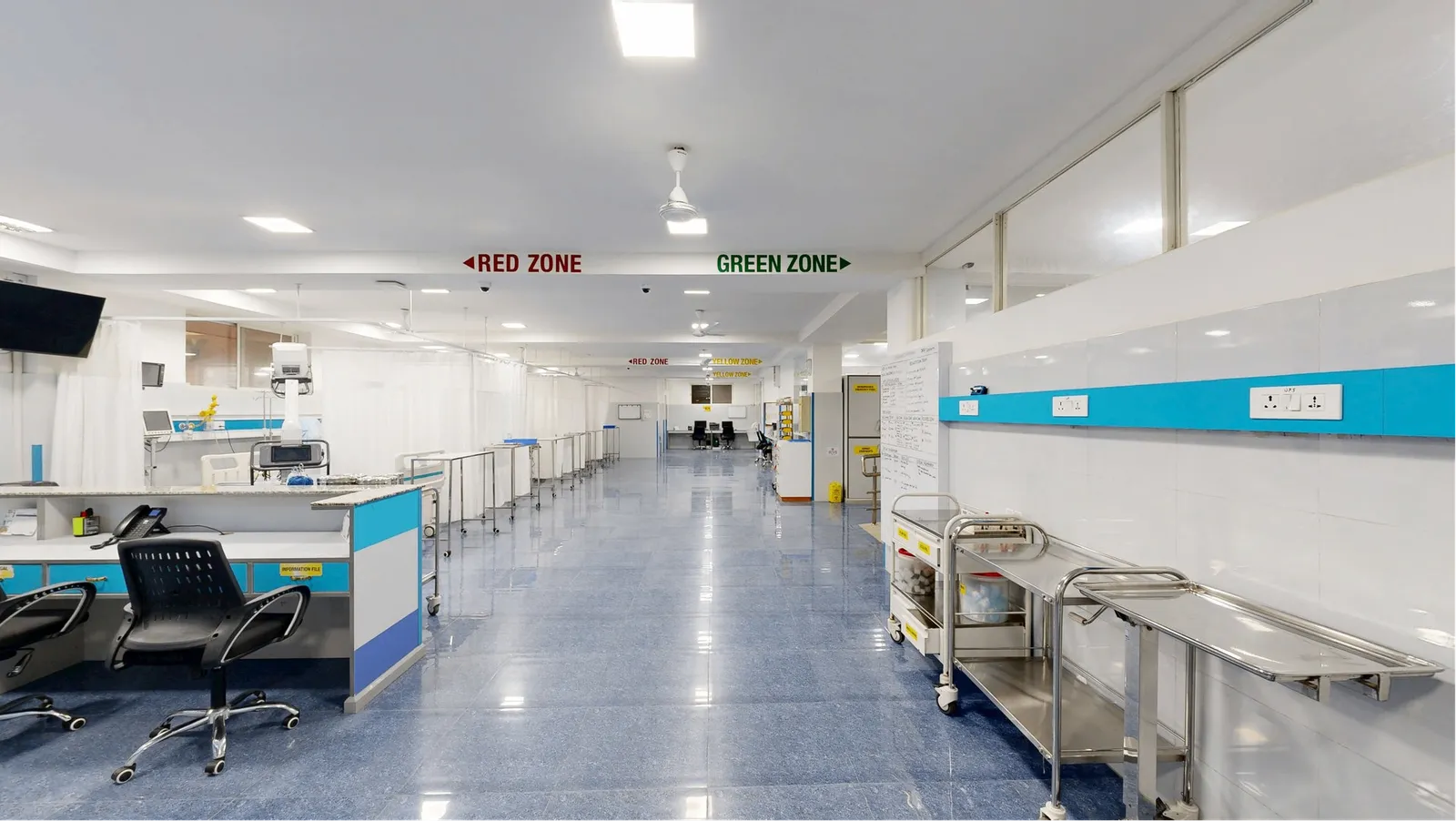
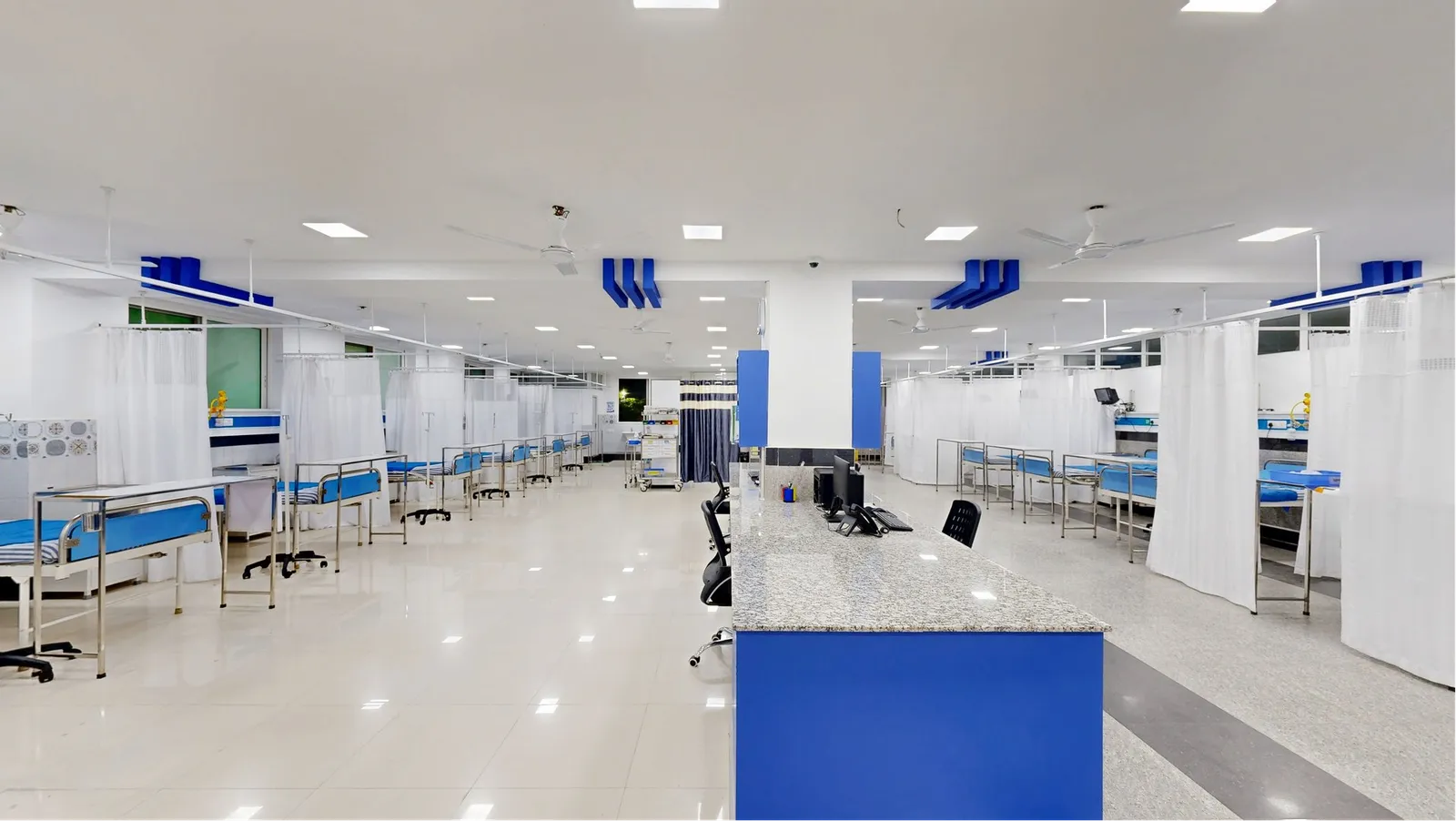
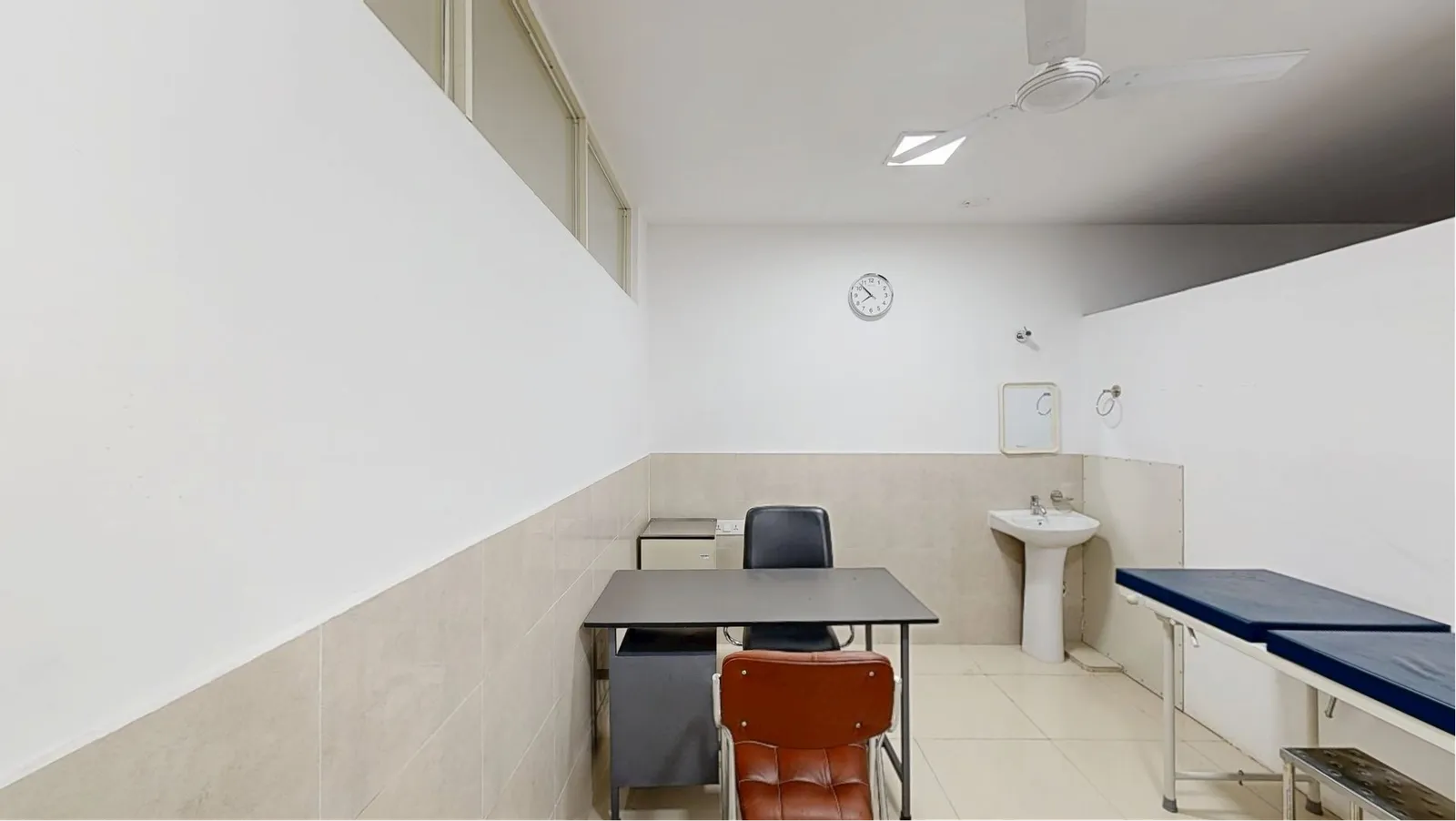
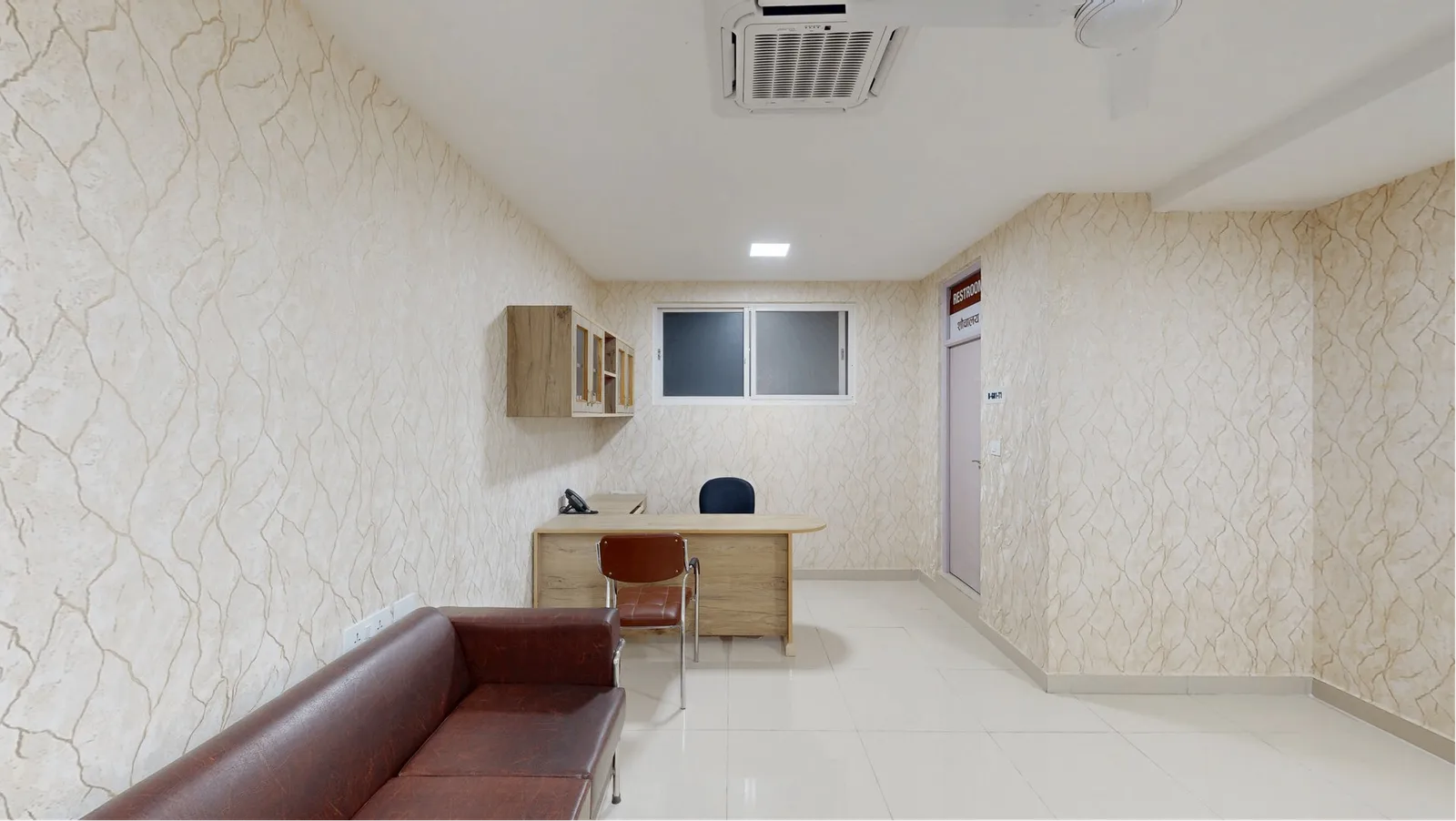
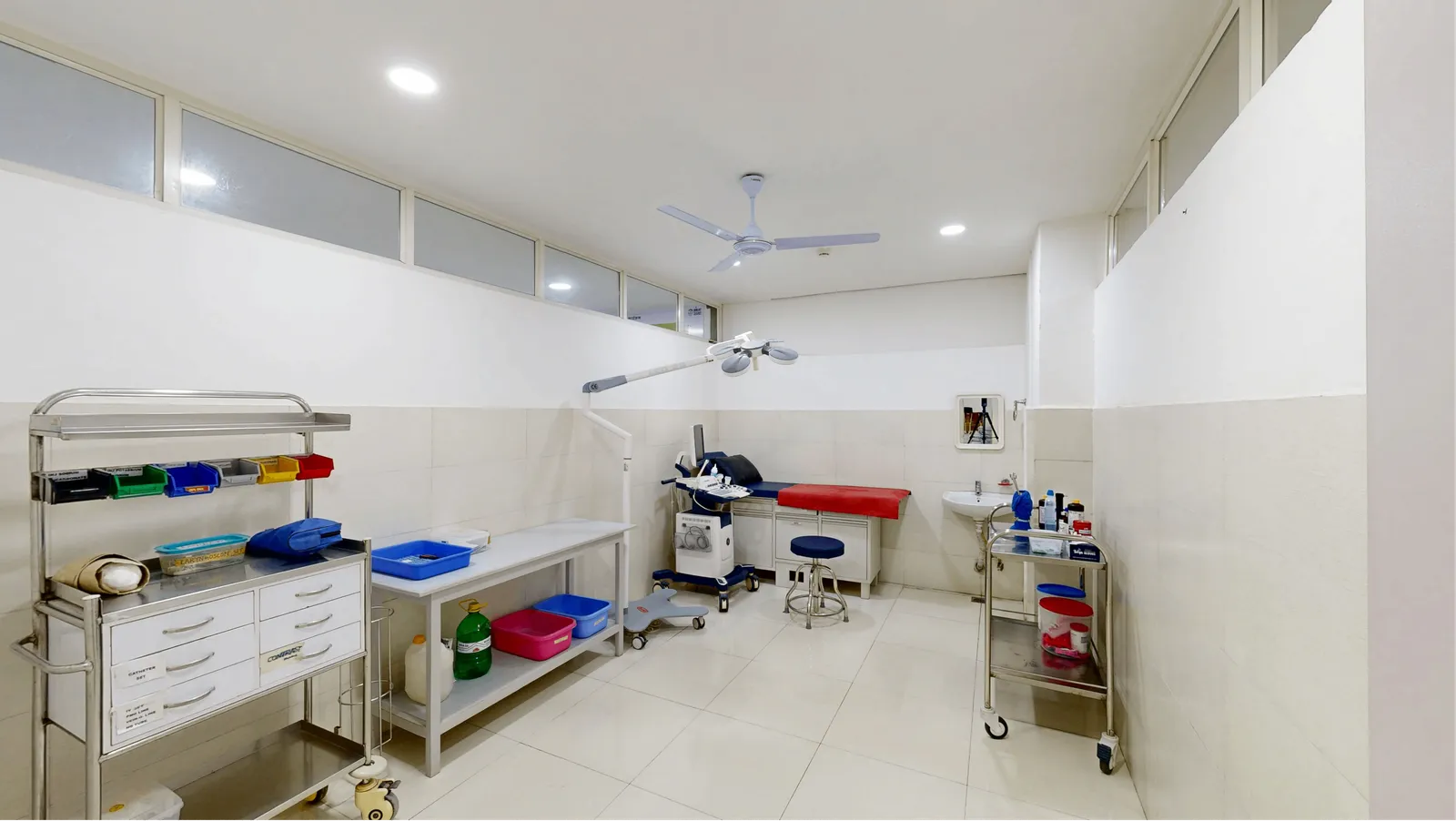
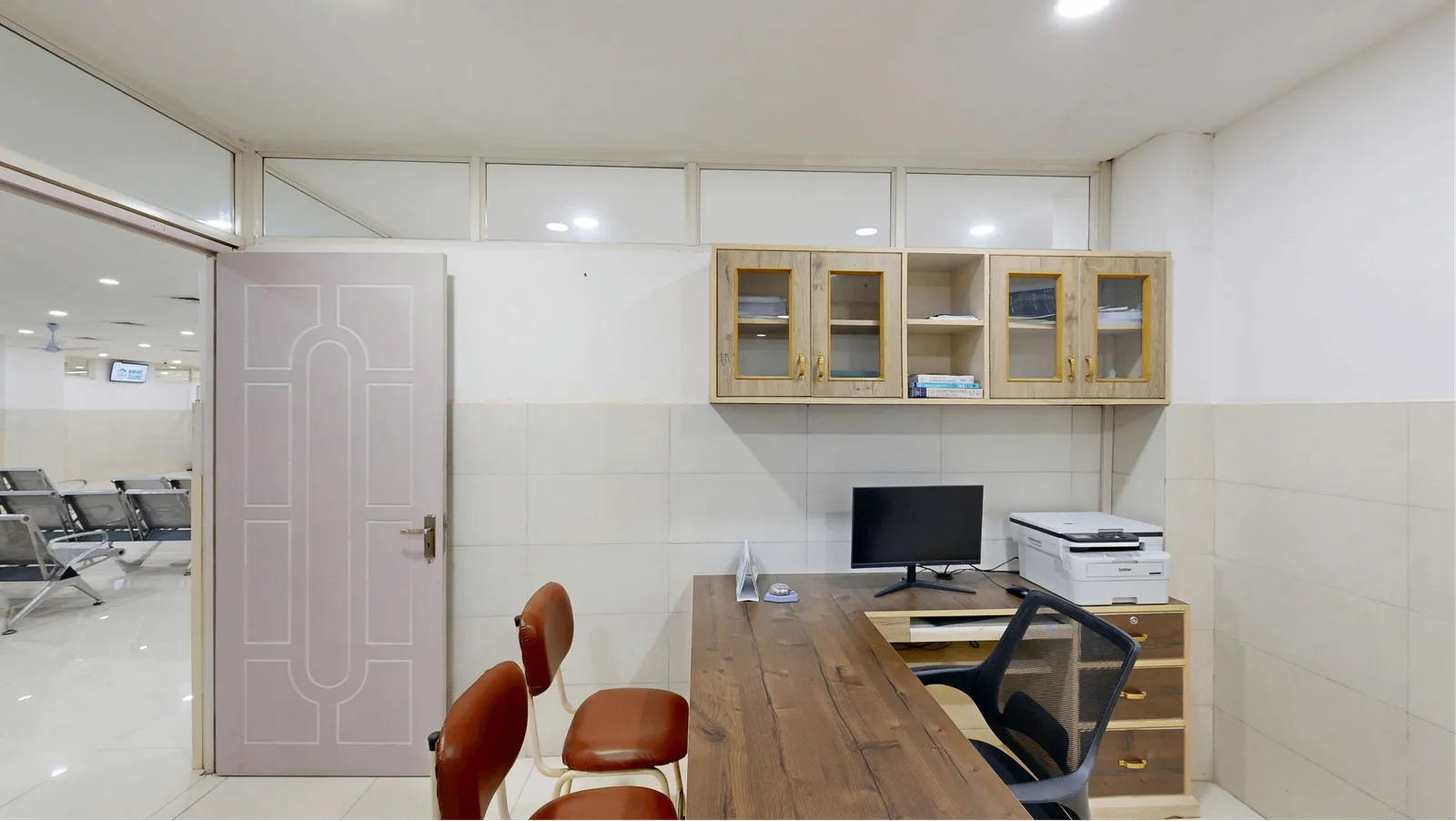
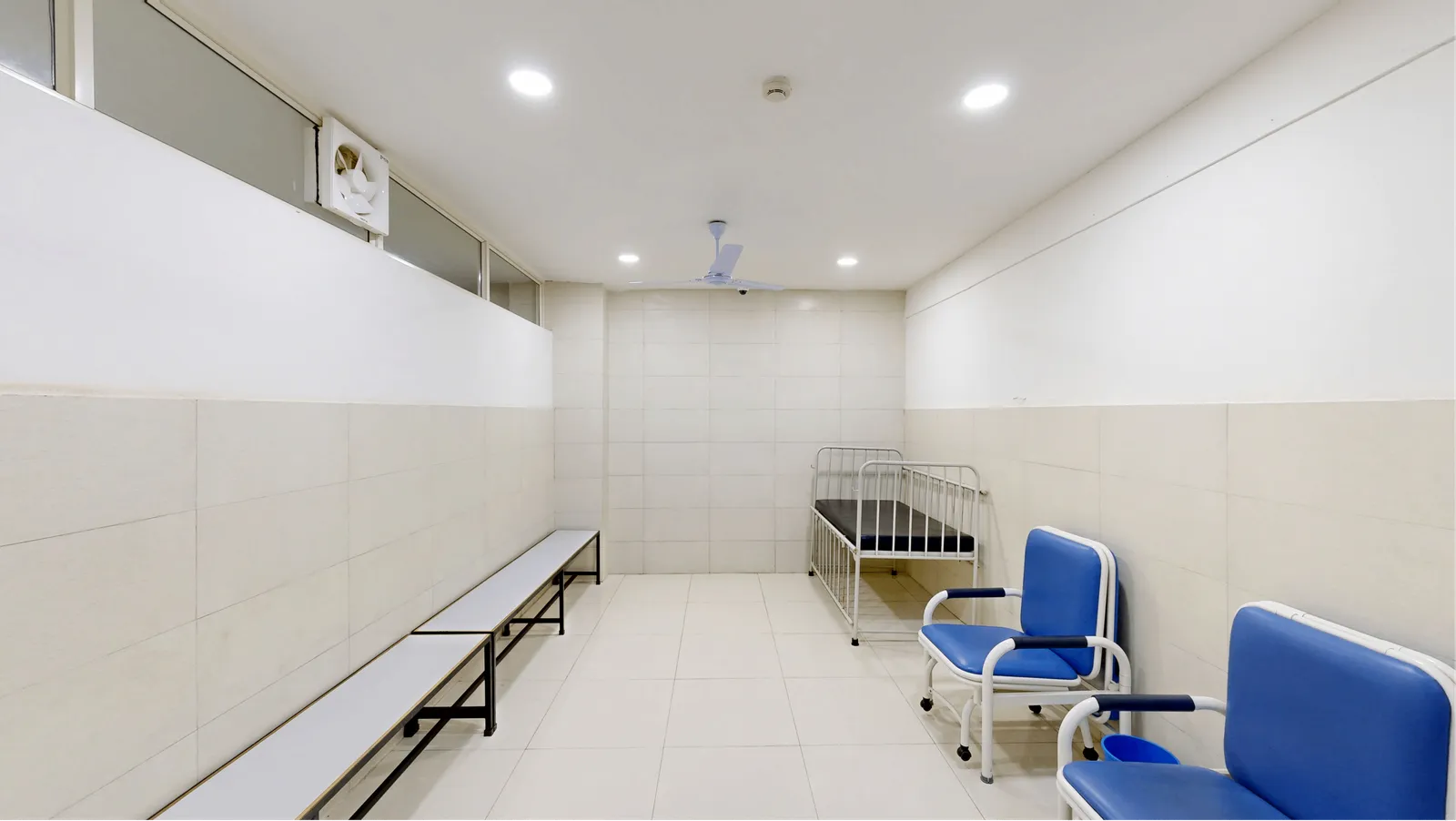
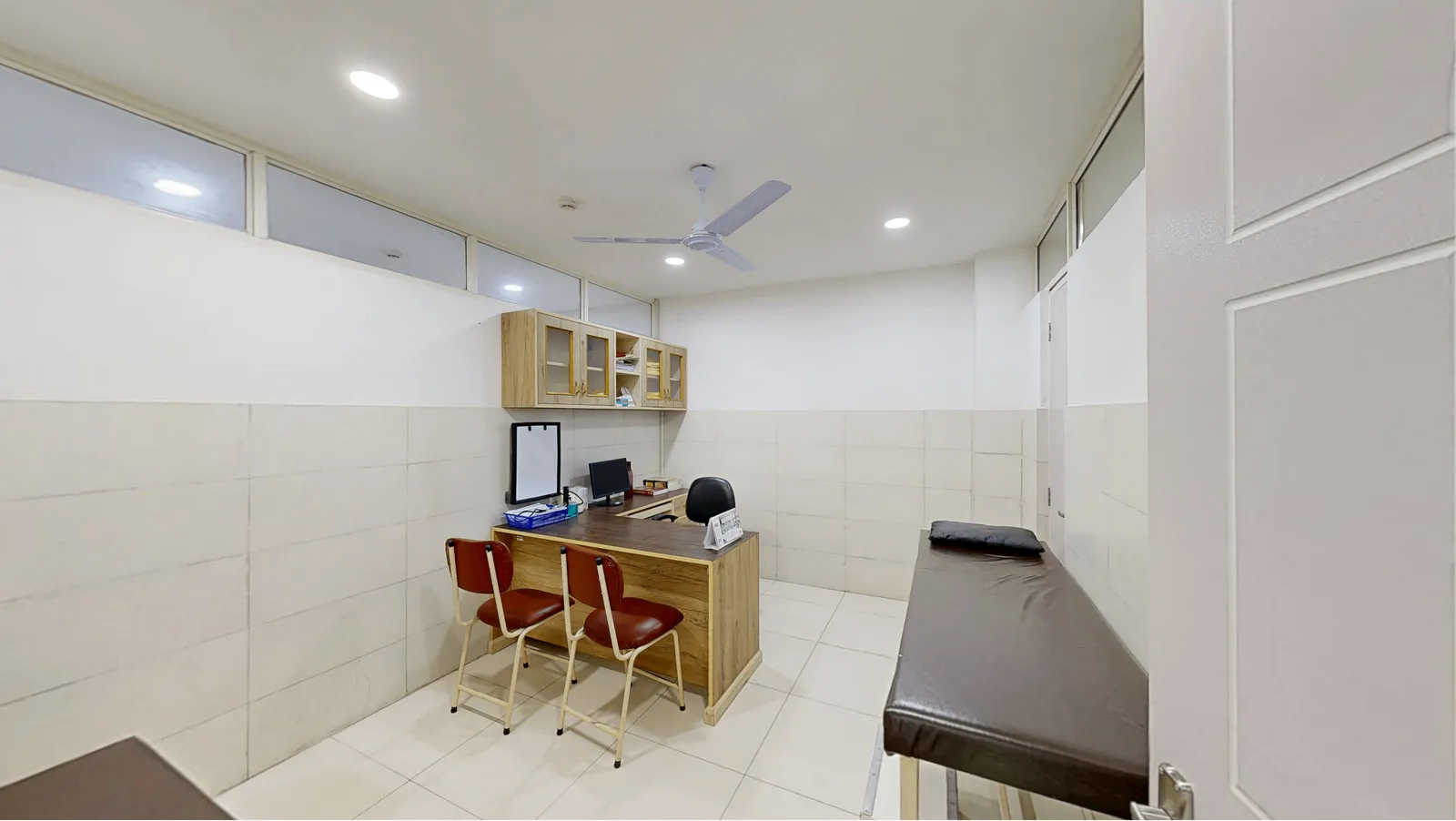
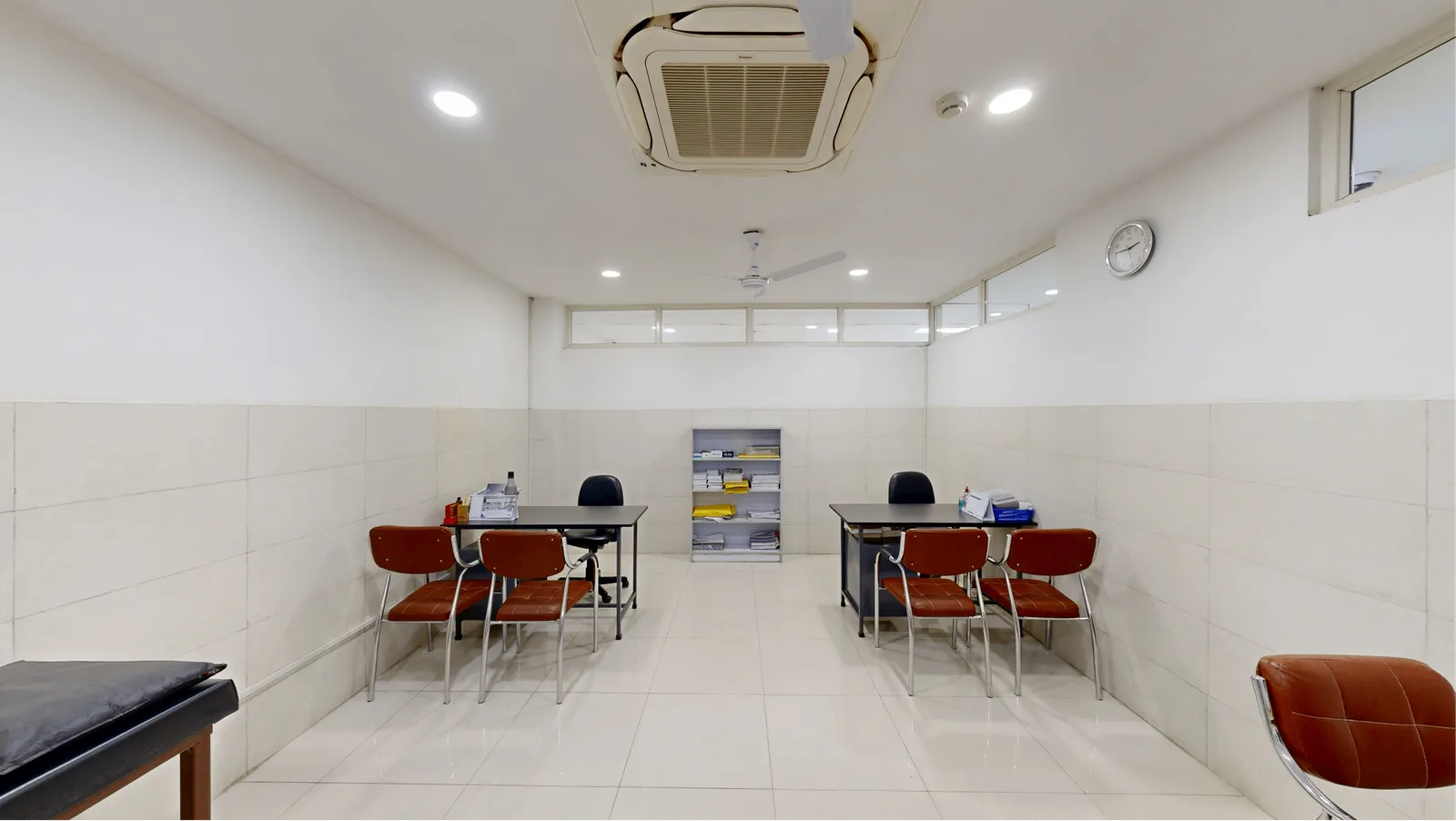
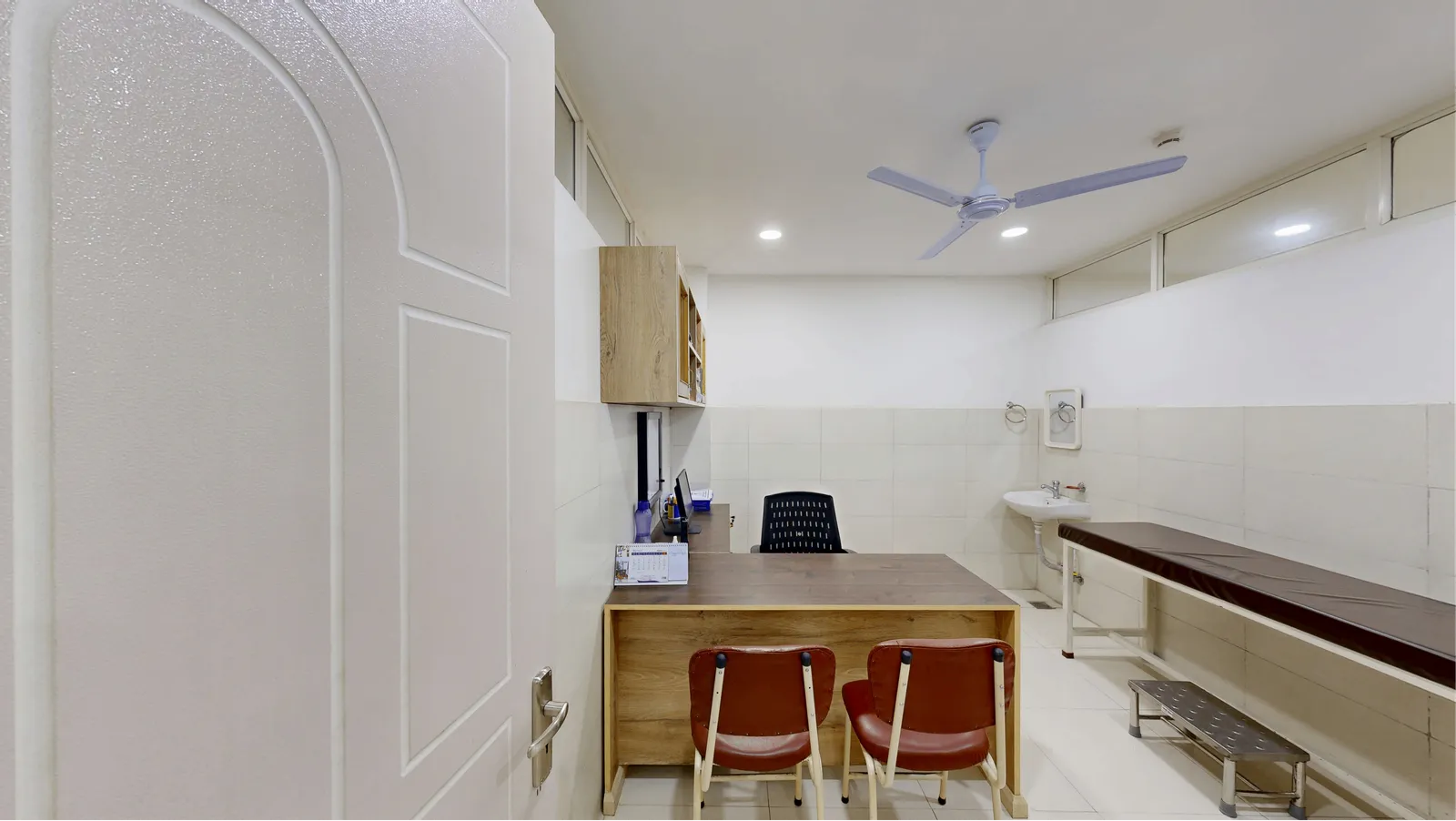
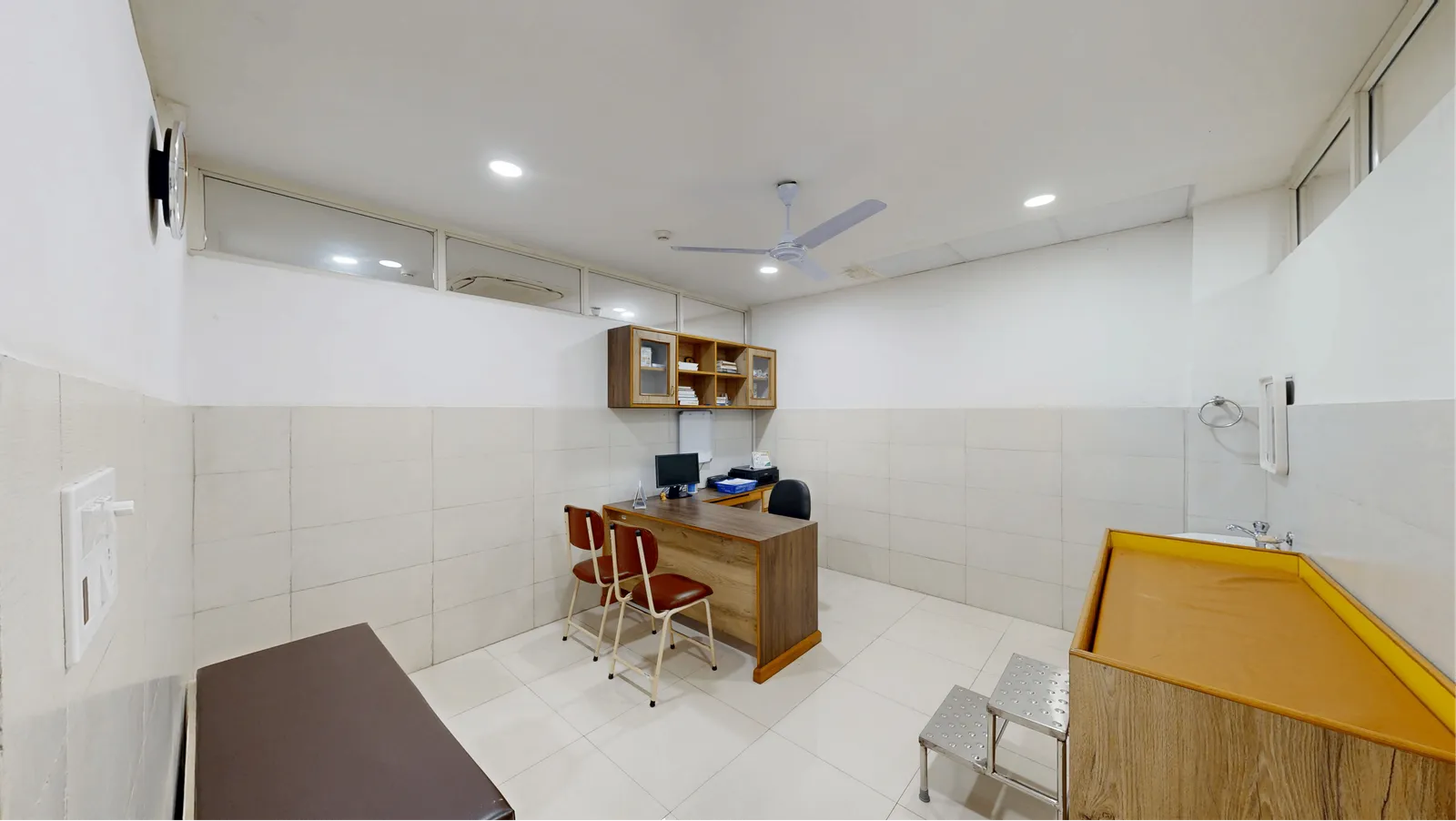
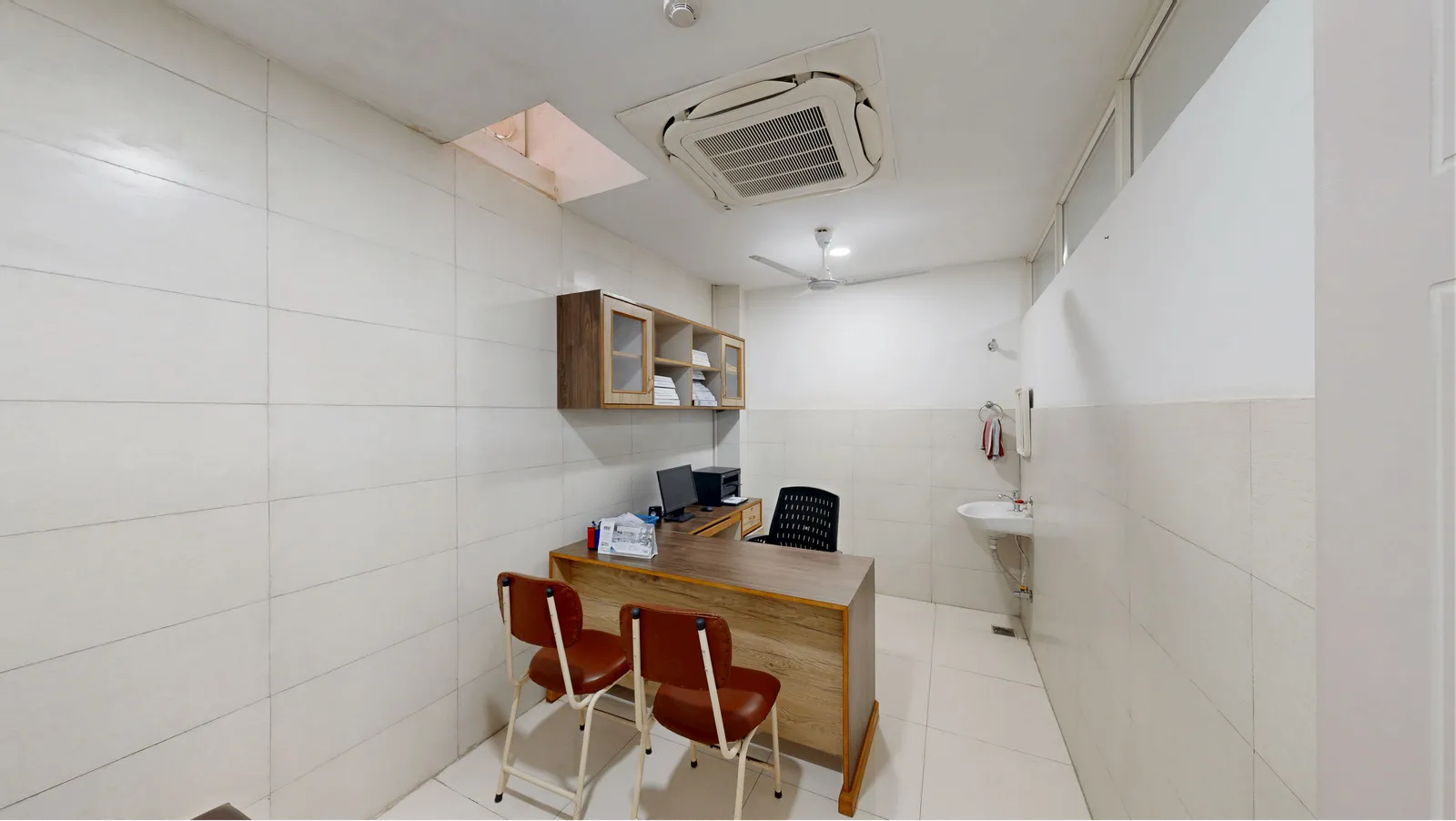
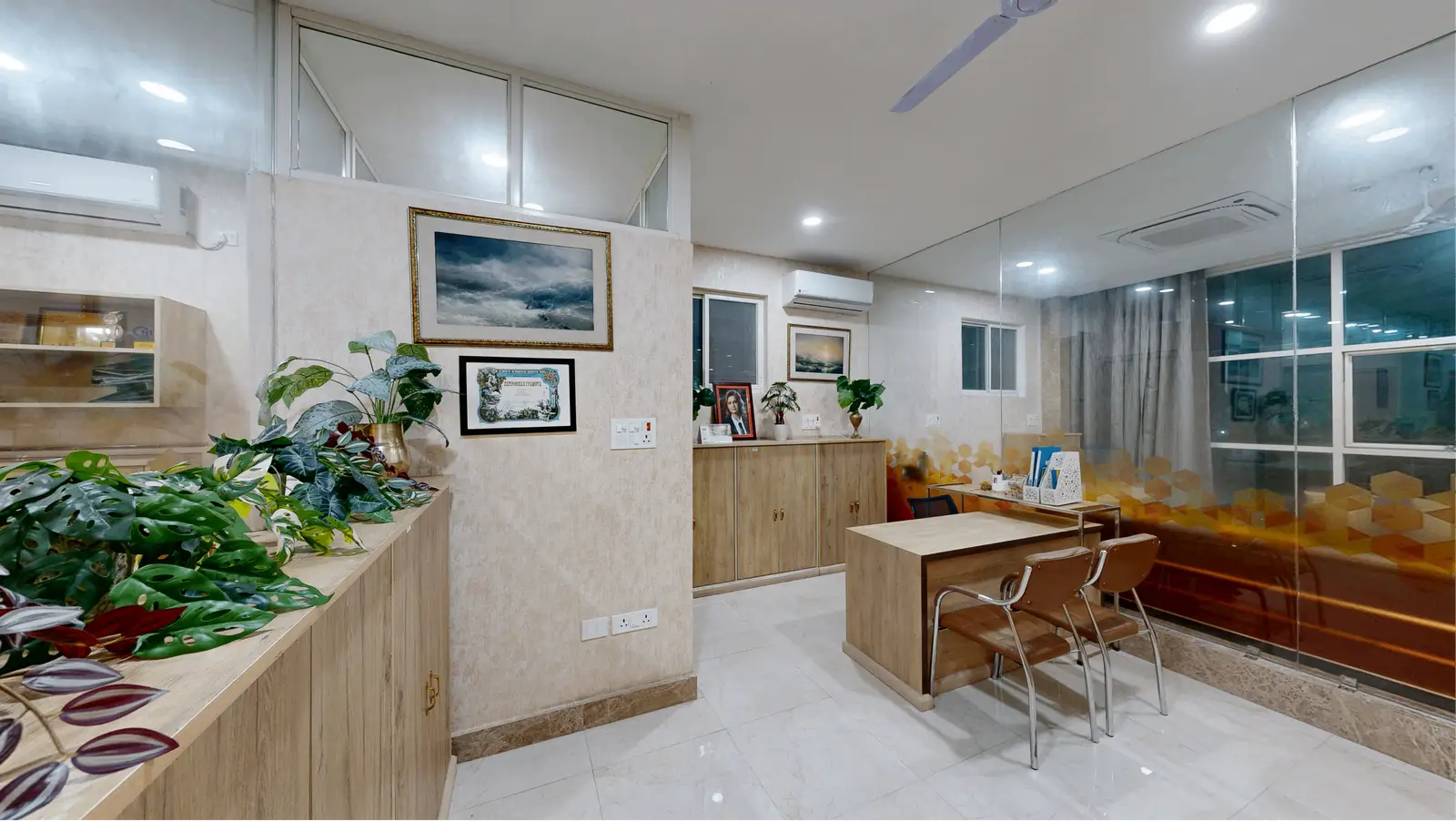
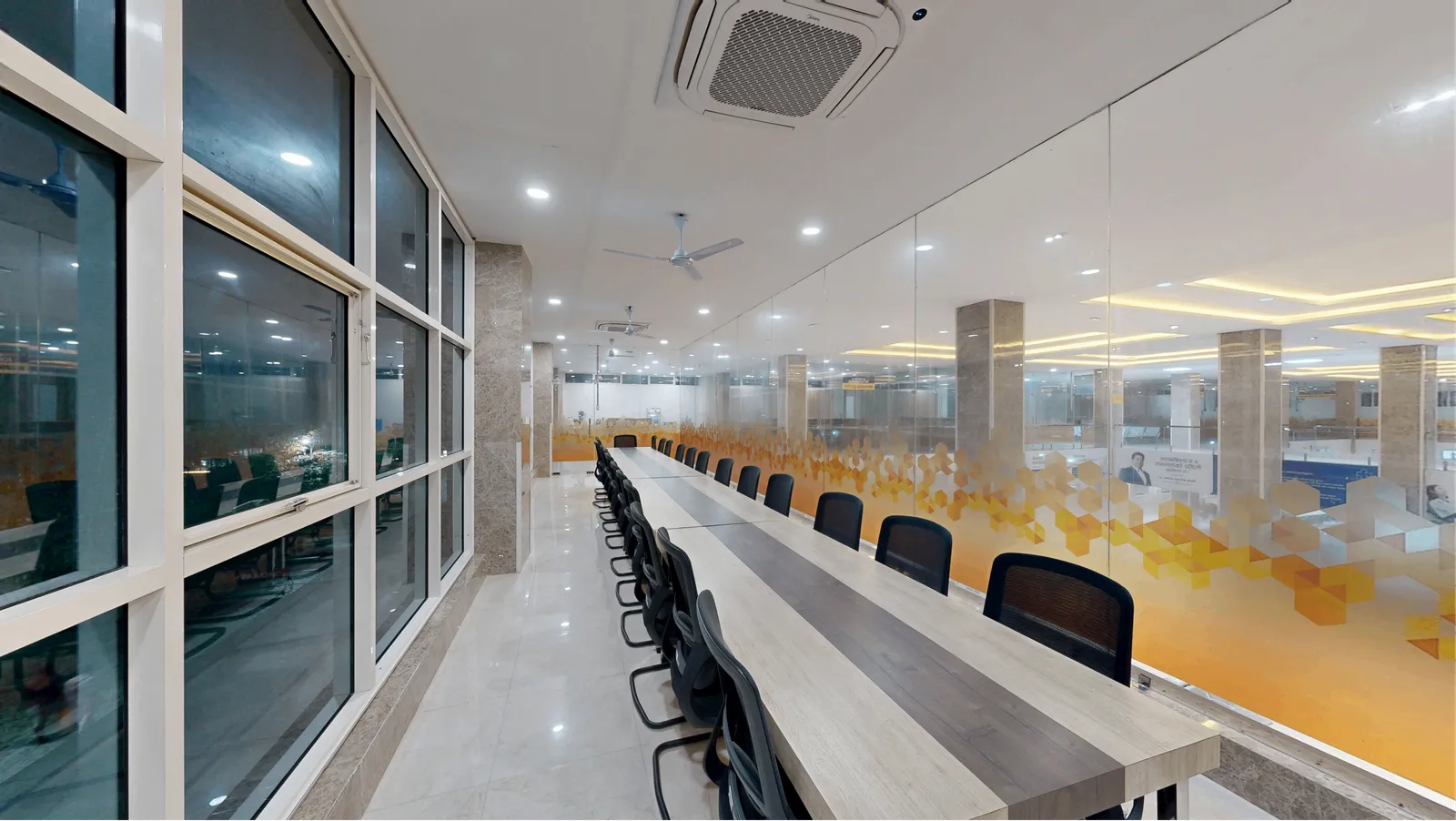
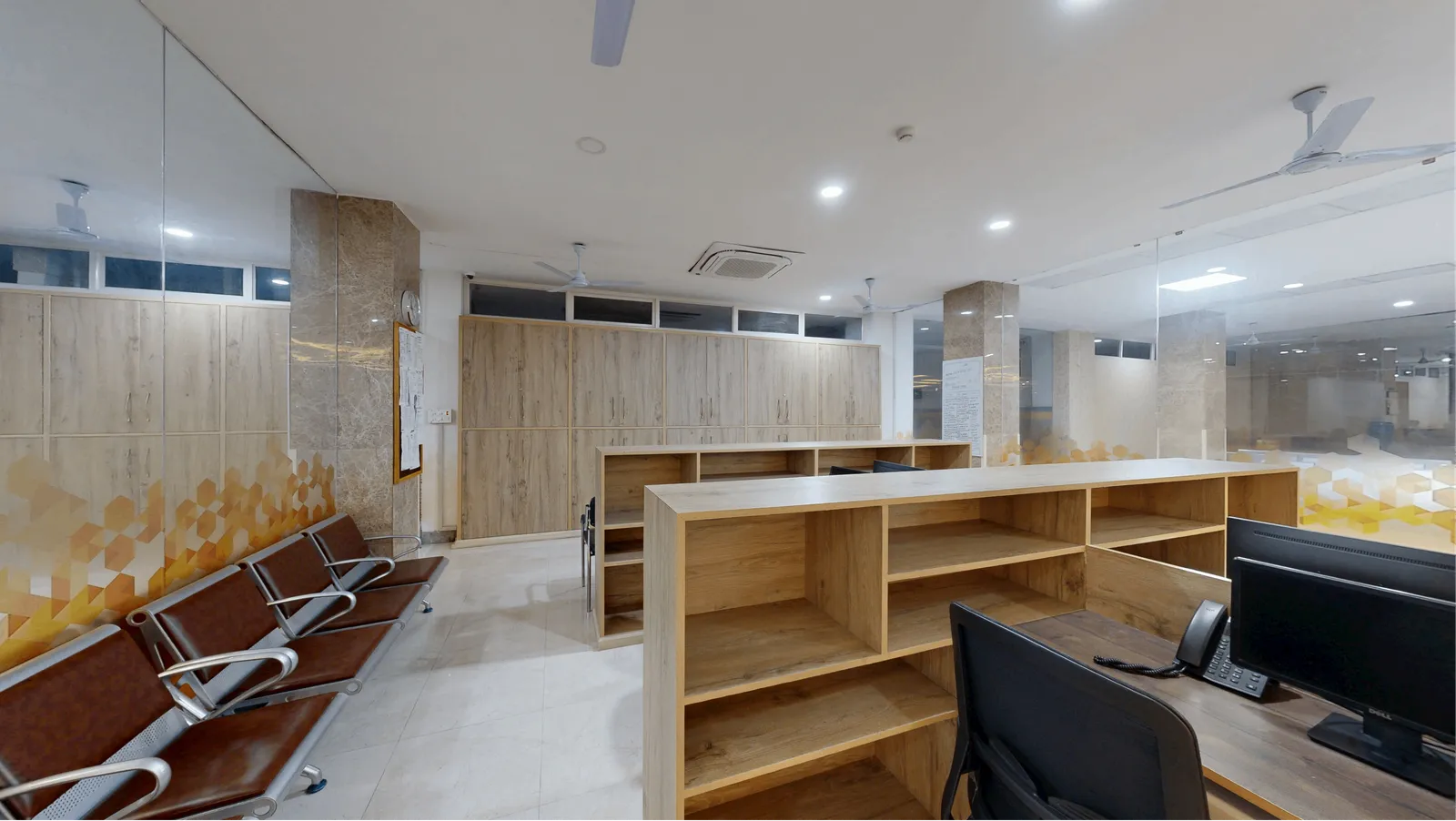
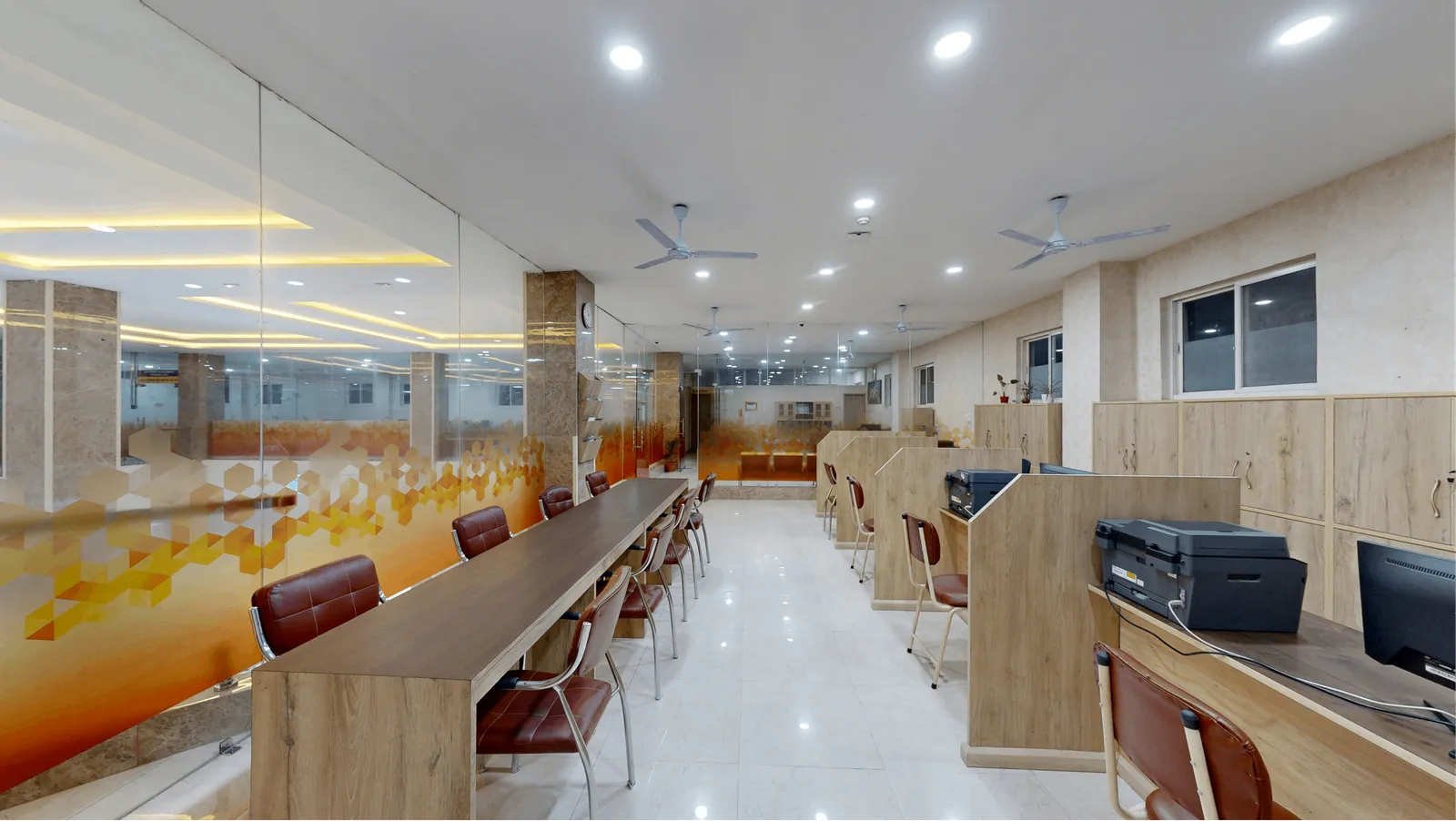
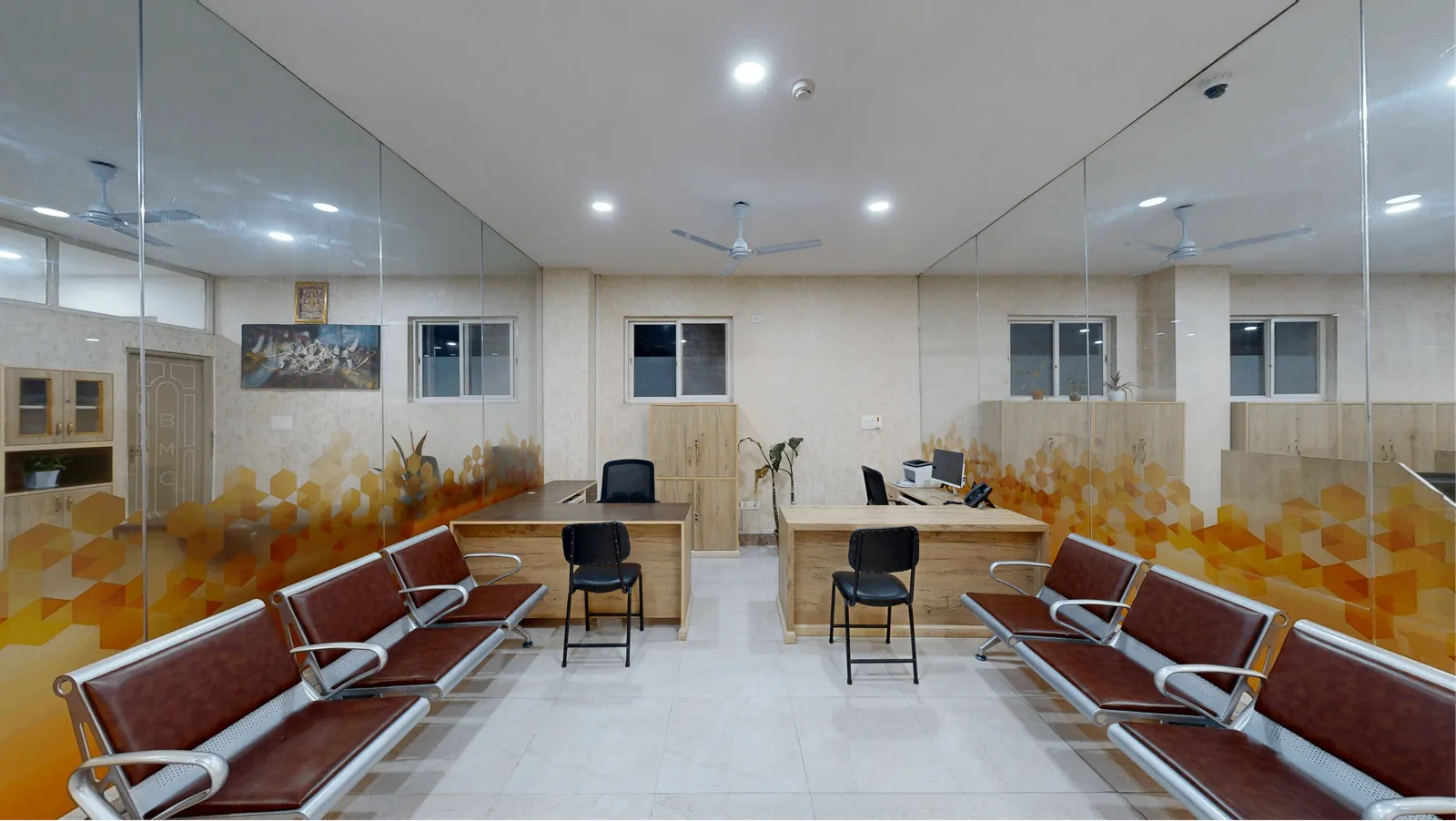
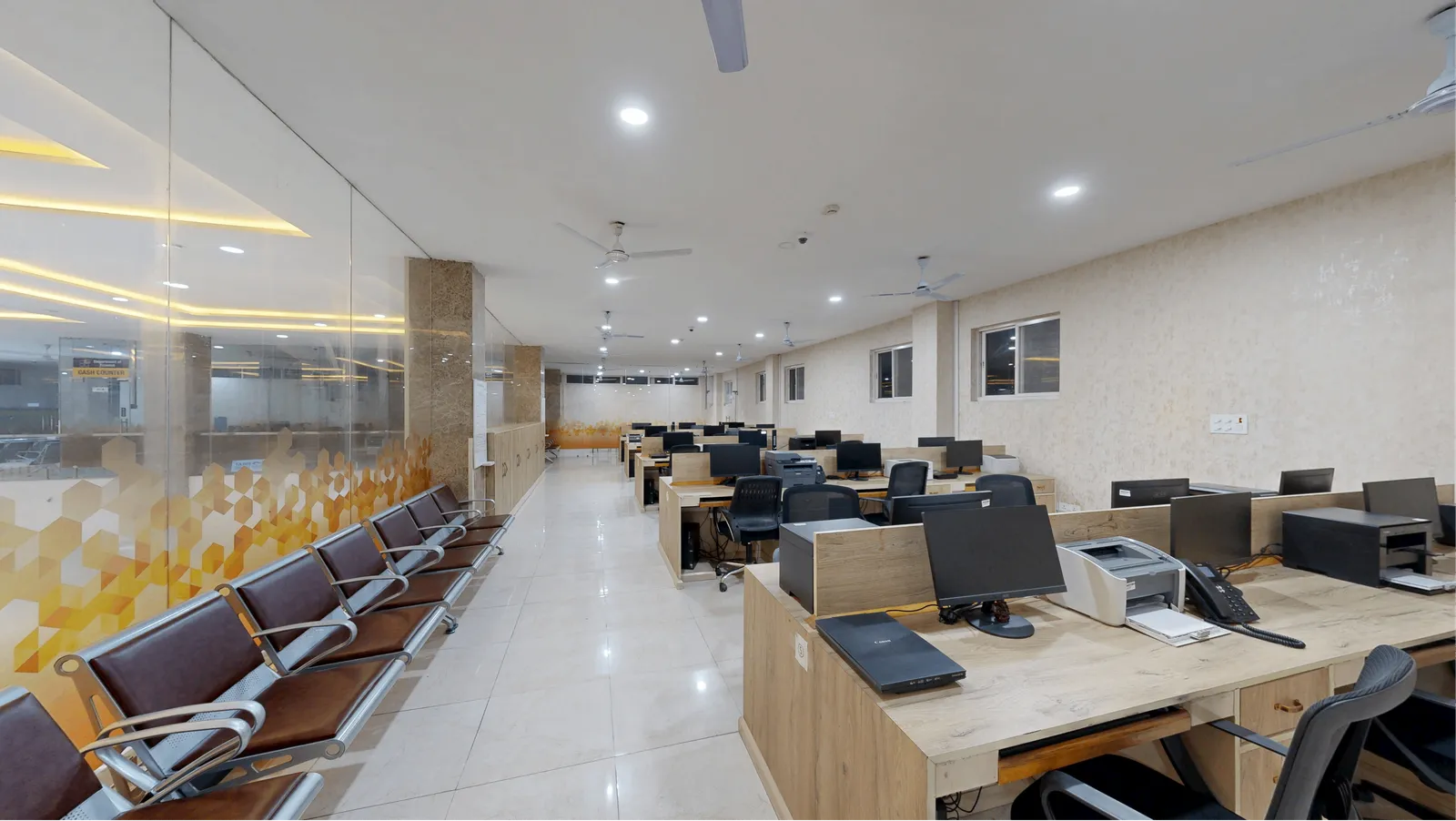
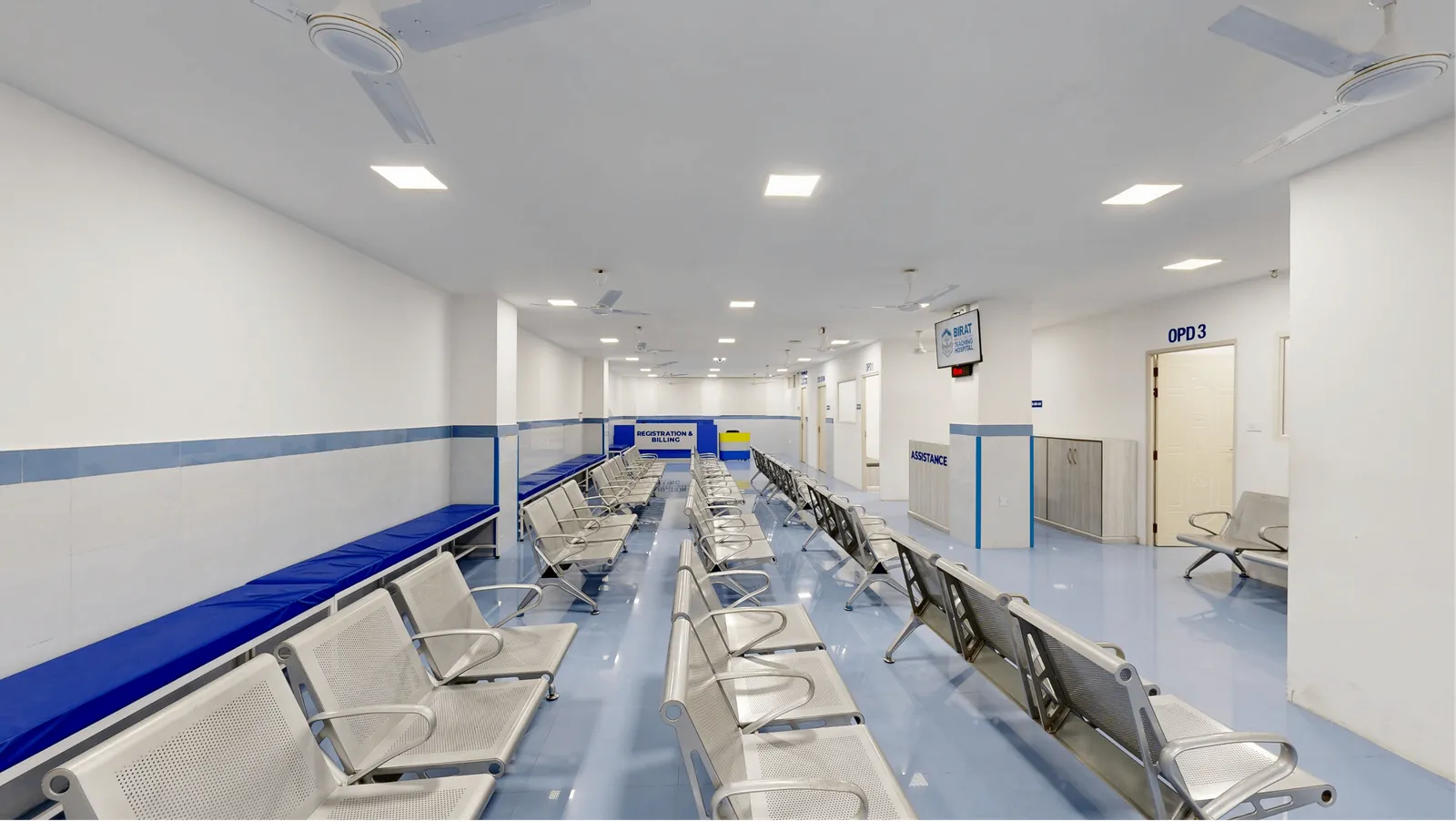
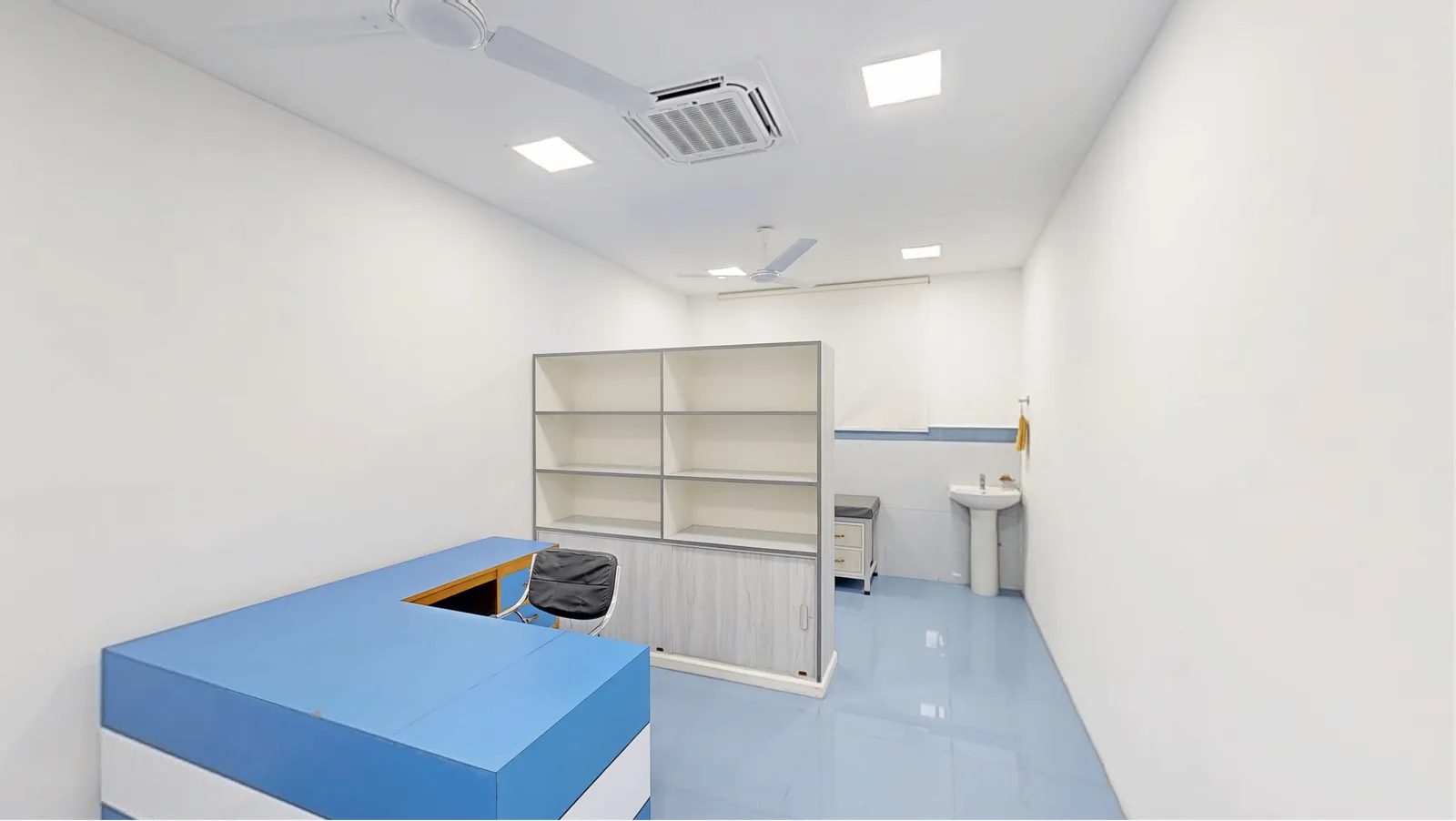
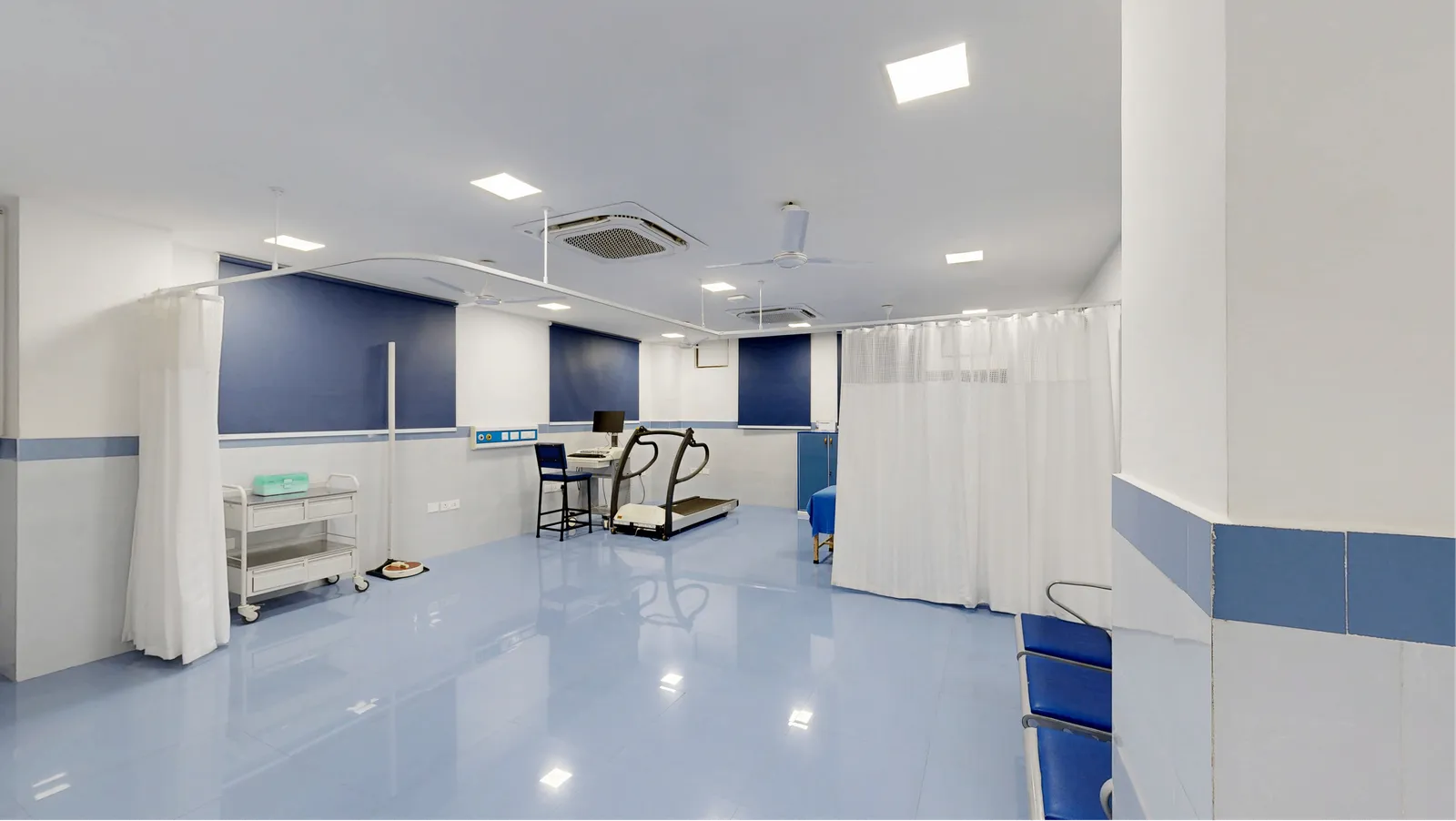
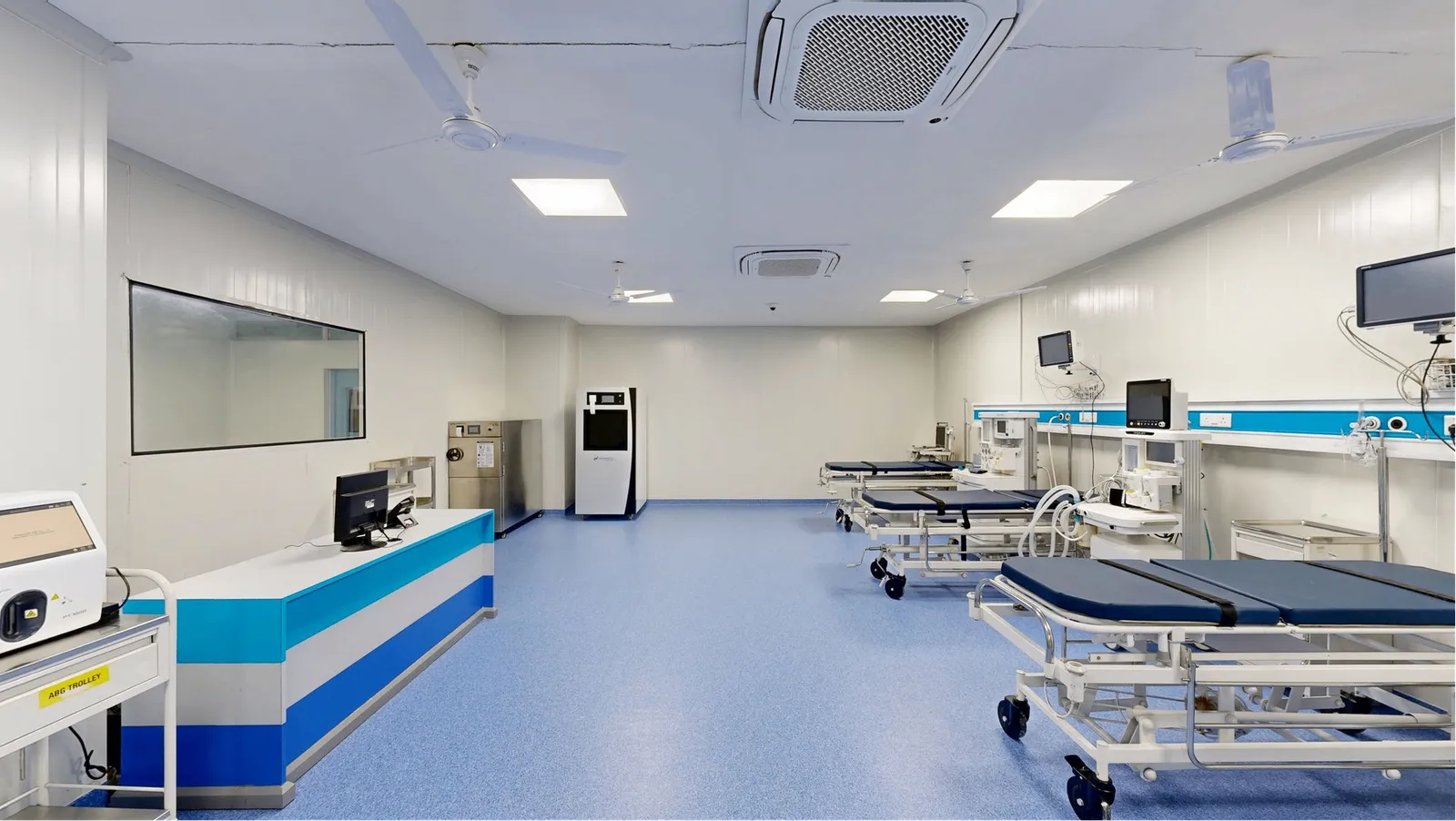
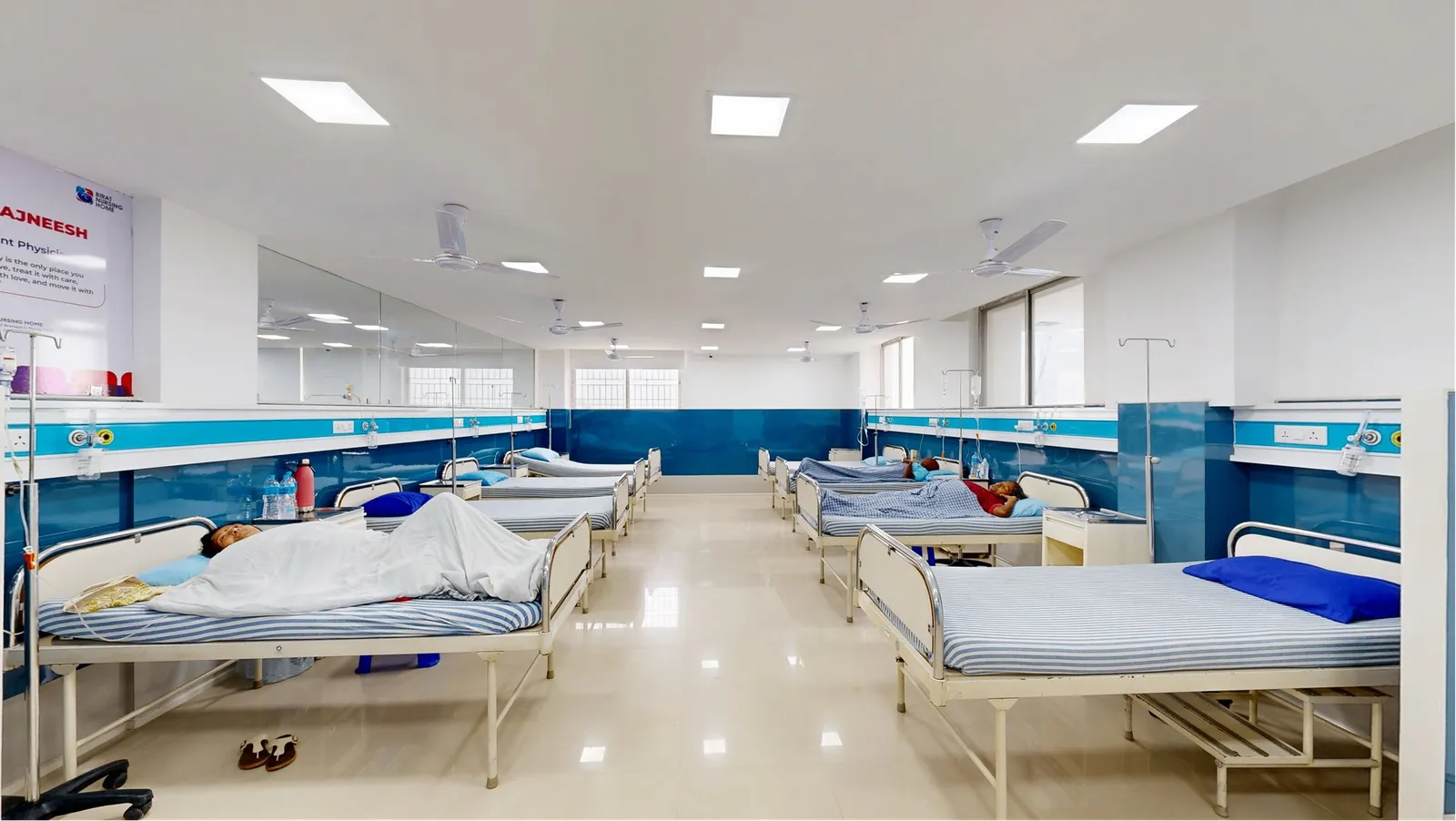
Triage Area
1,056 sq.ft.44 × 24 × 9.3 ft

Biratnagar, Koshi, Nepal, Nepal
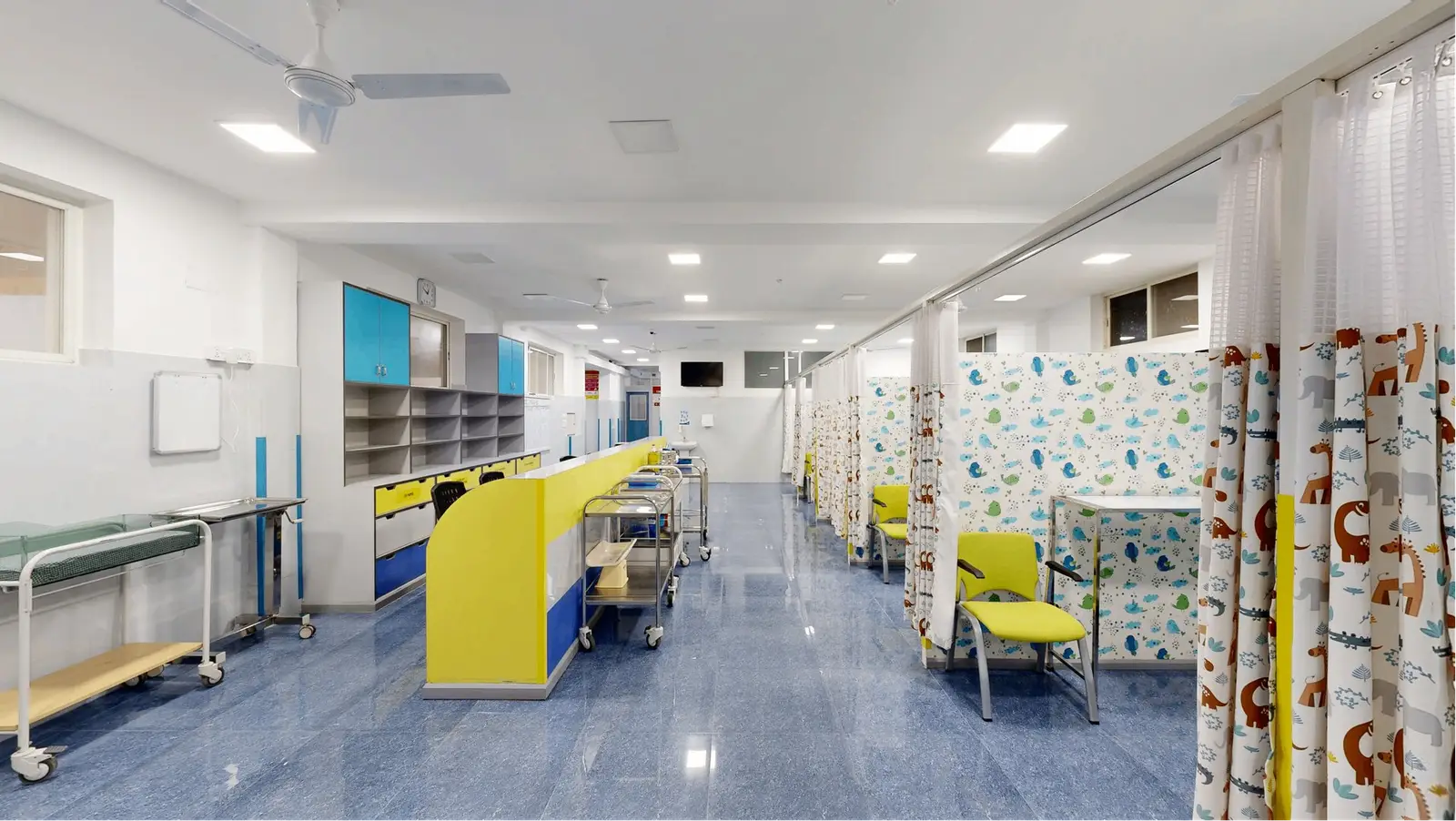
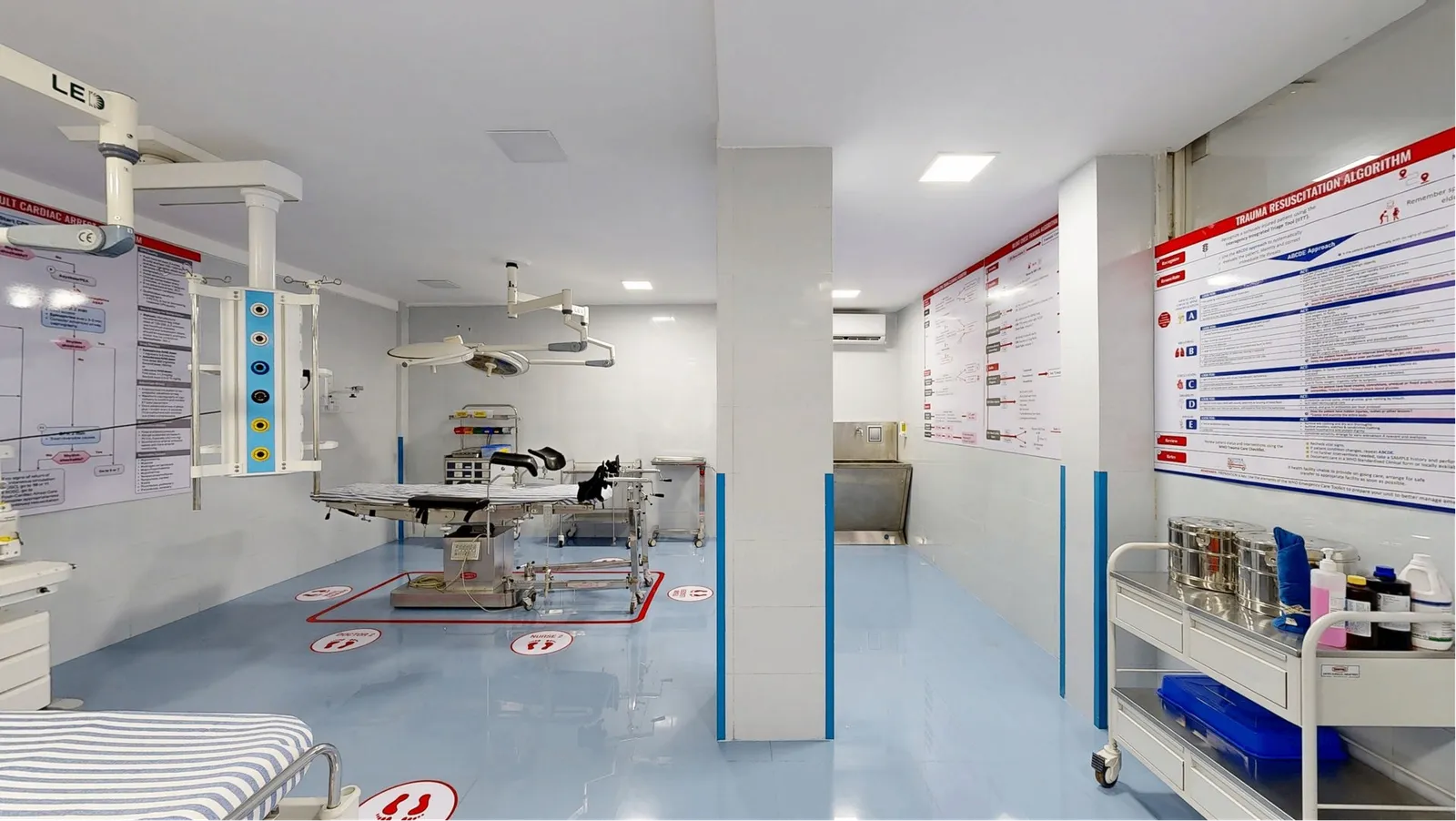
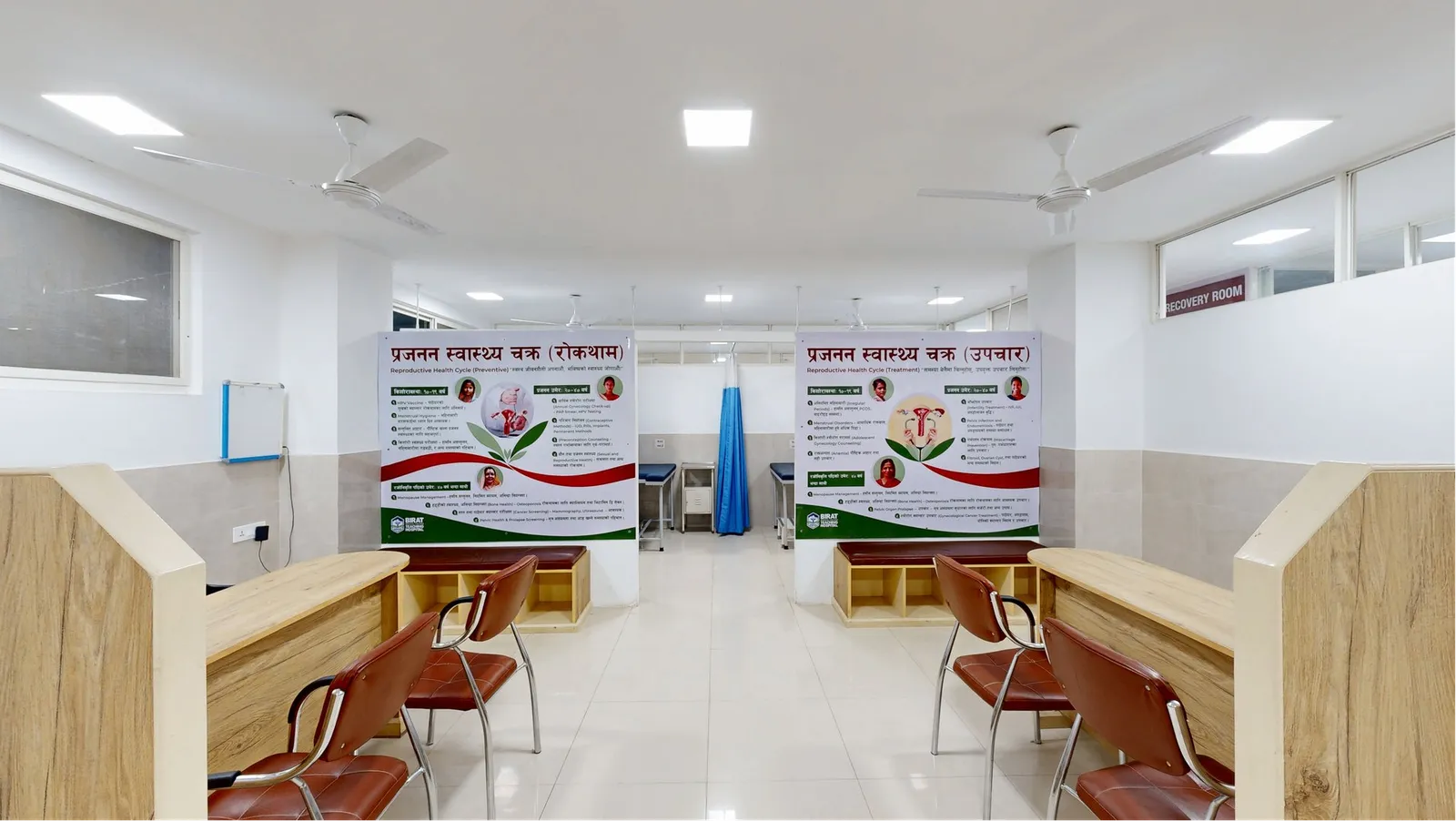
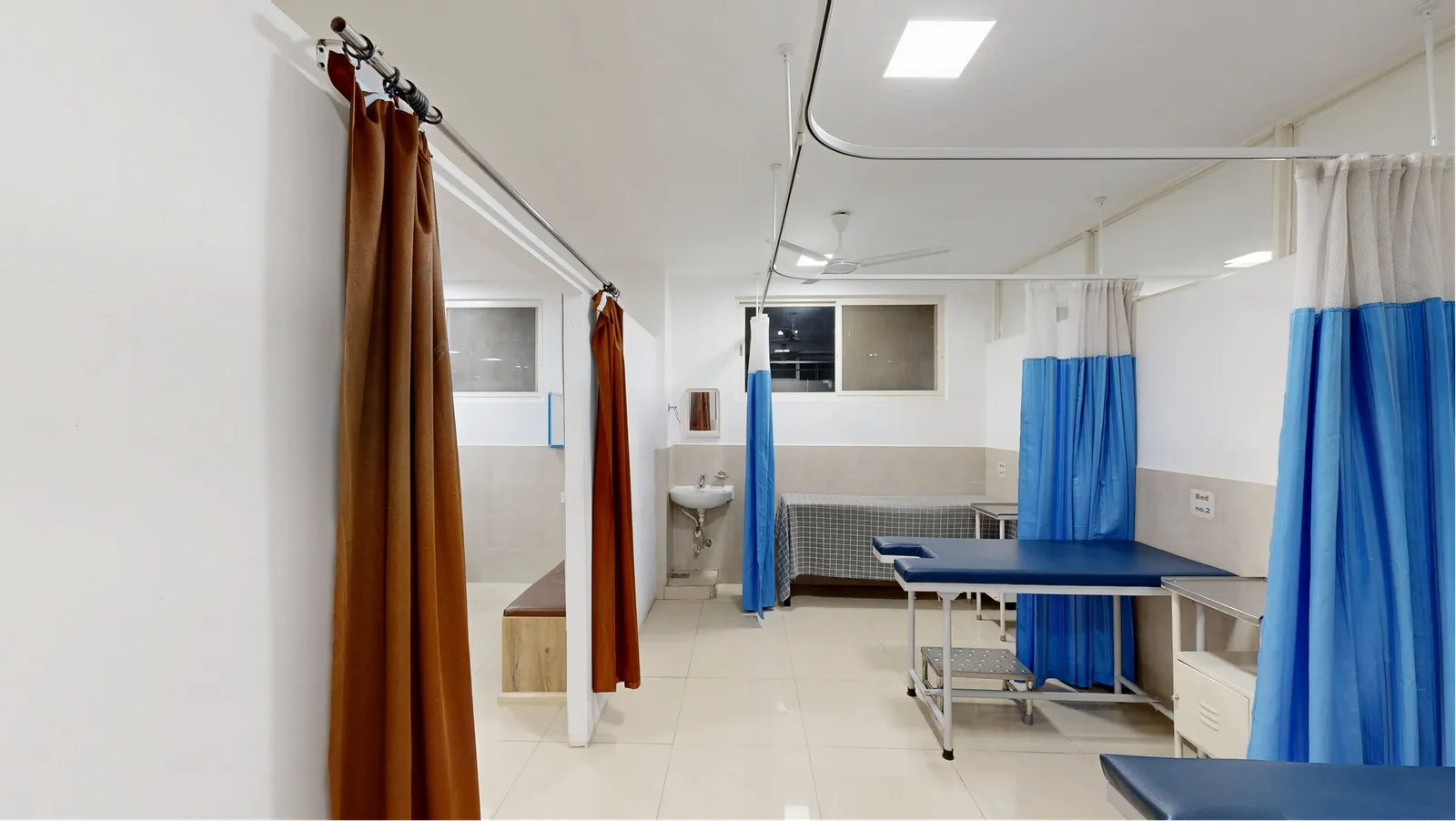
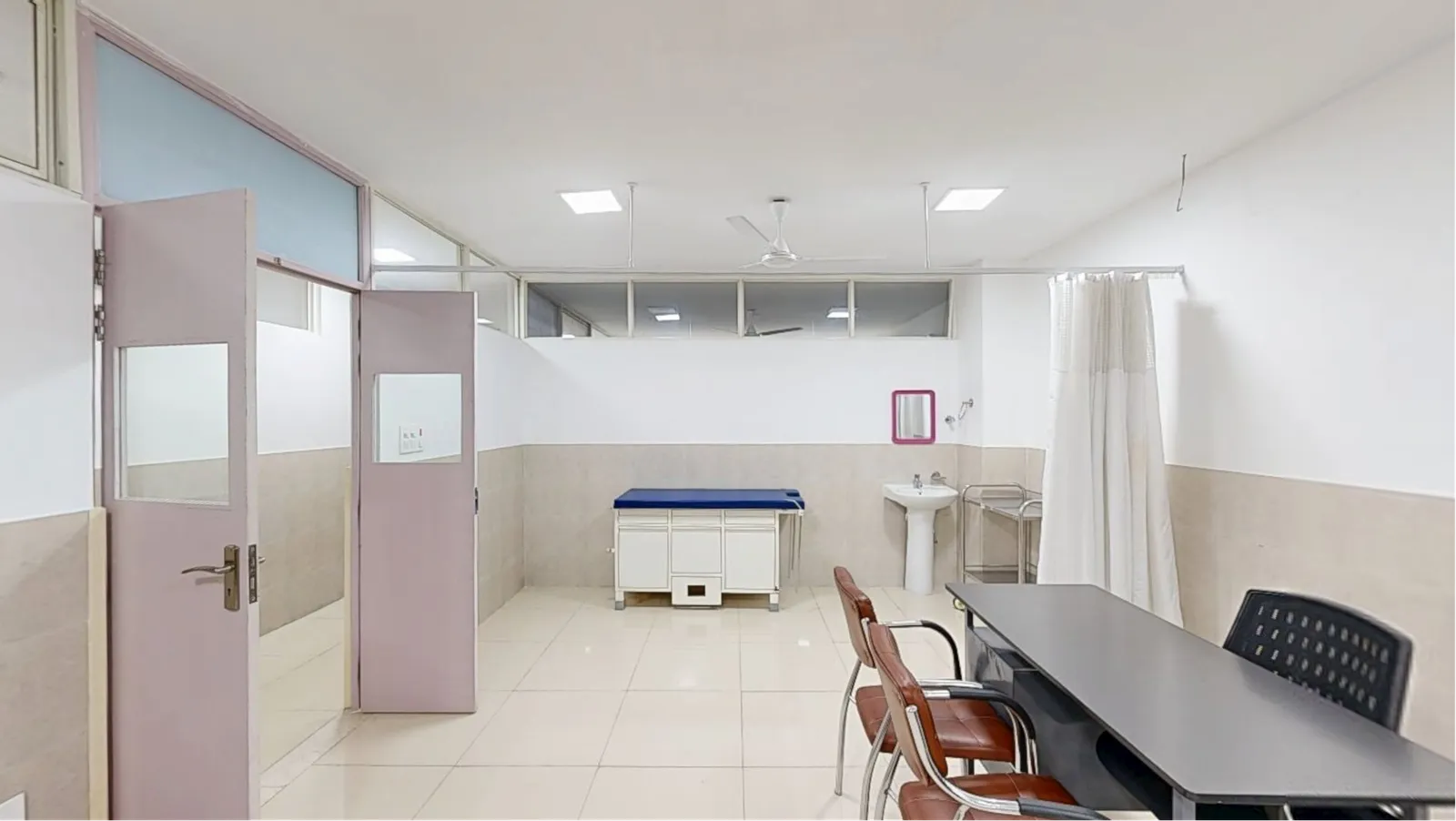
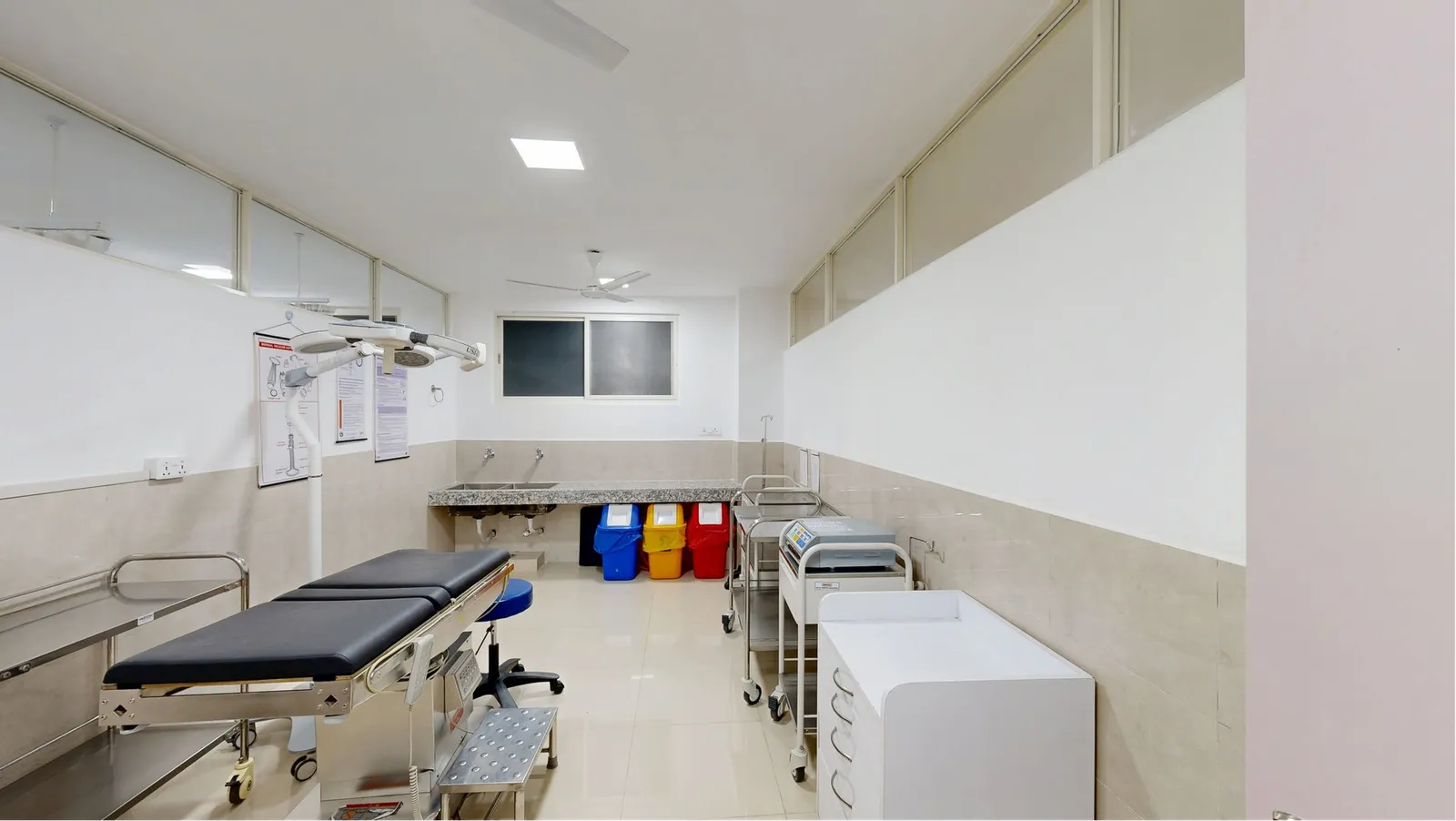
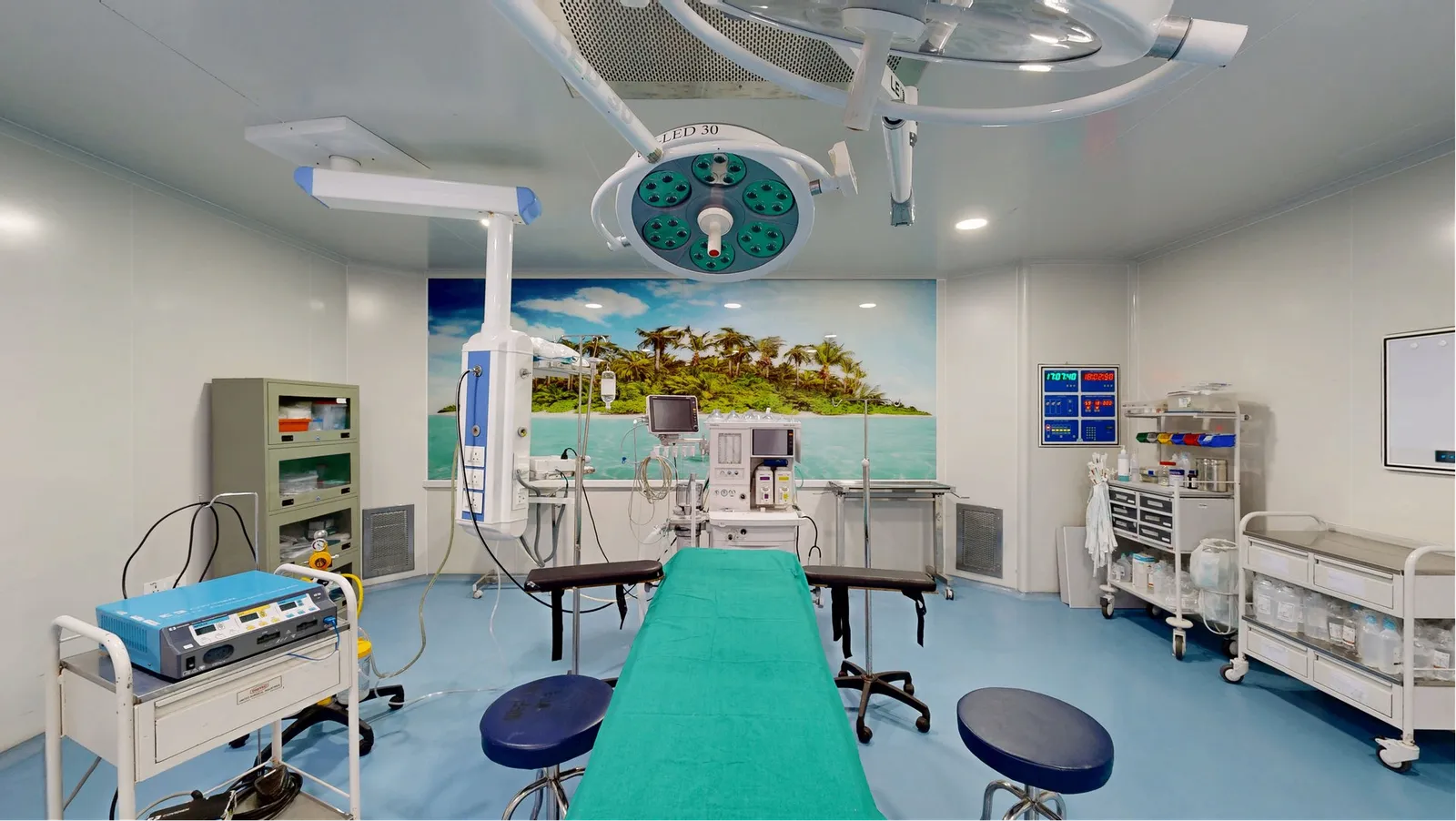
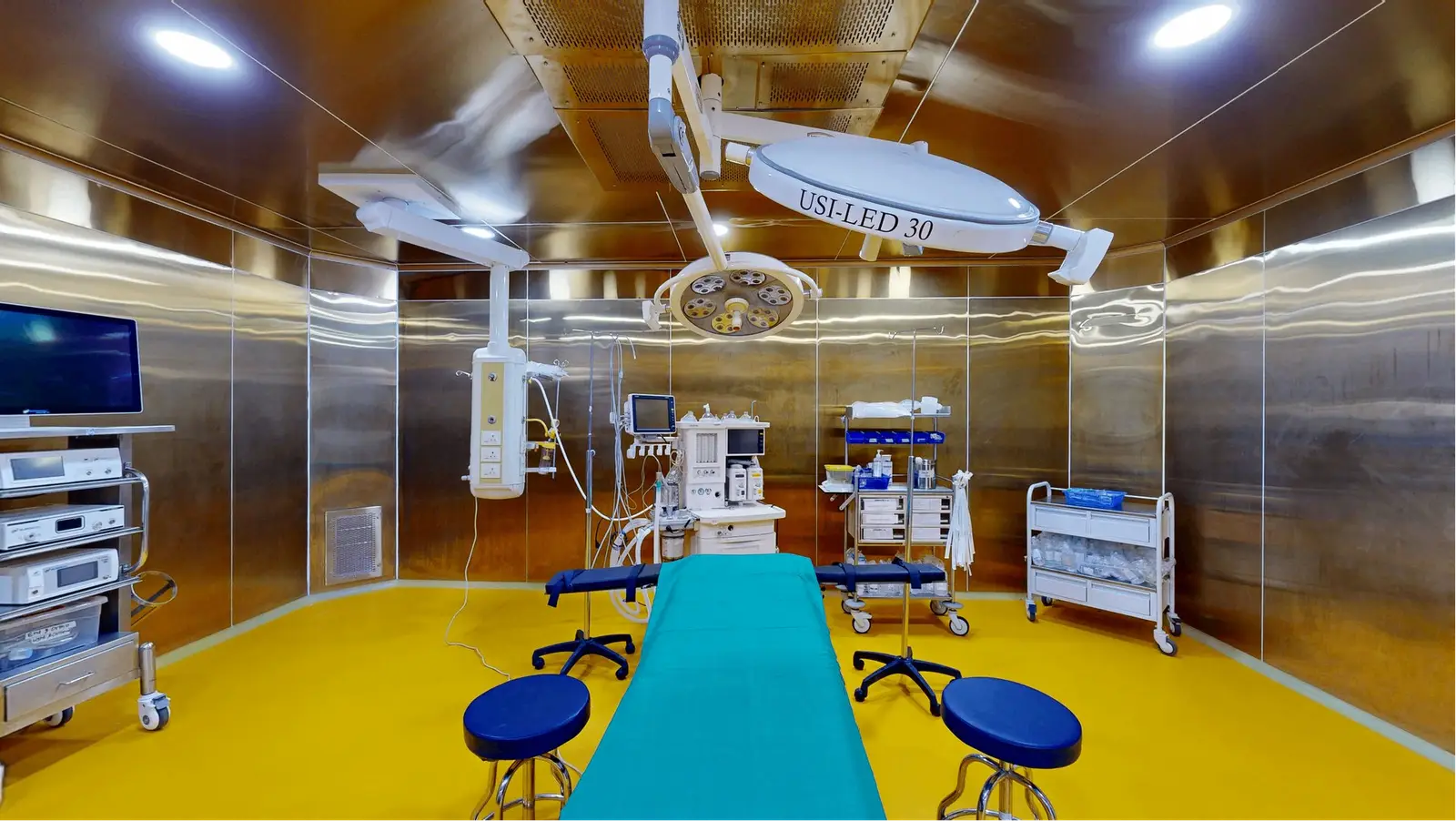
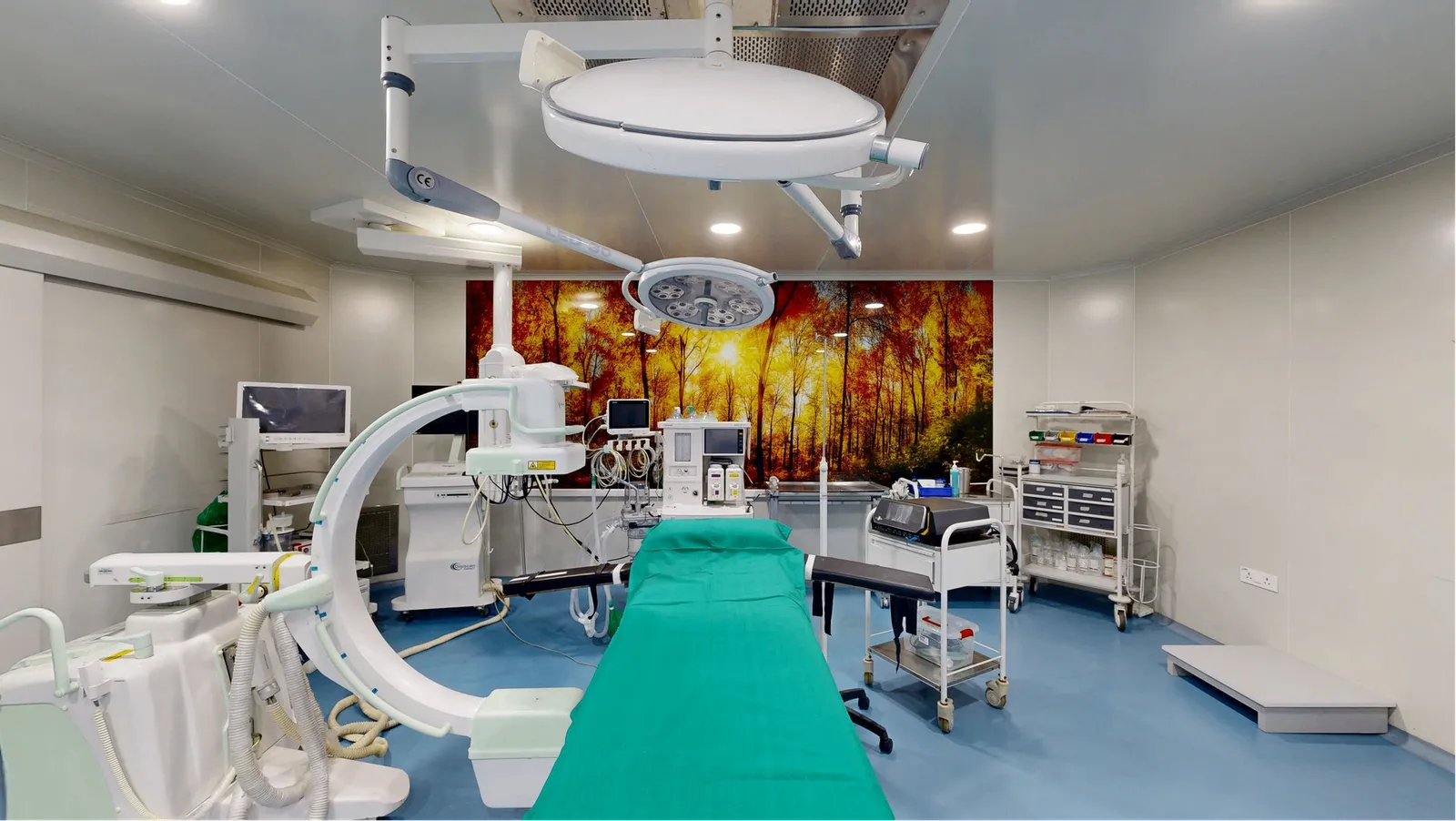
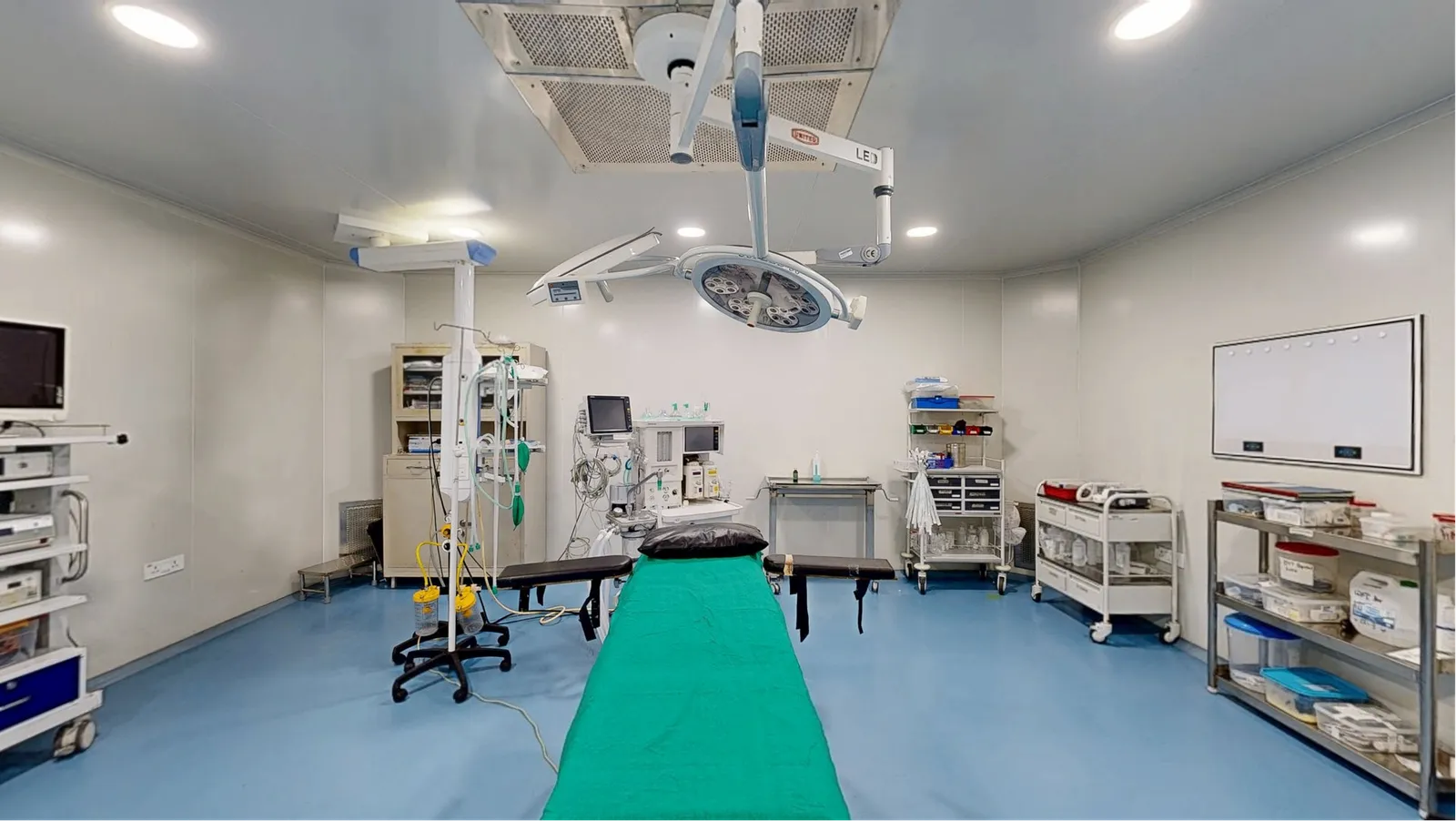
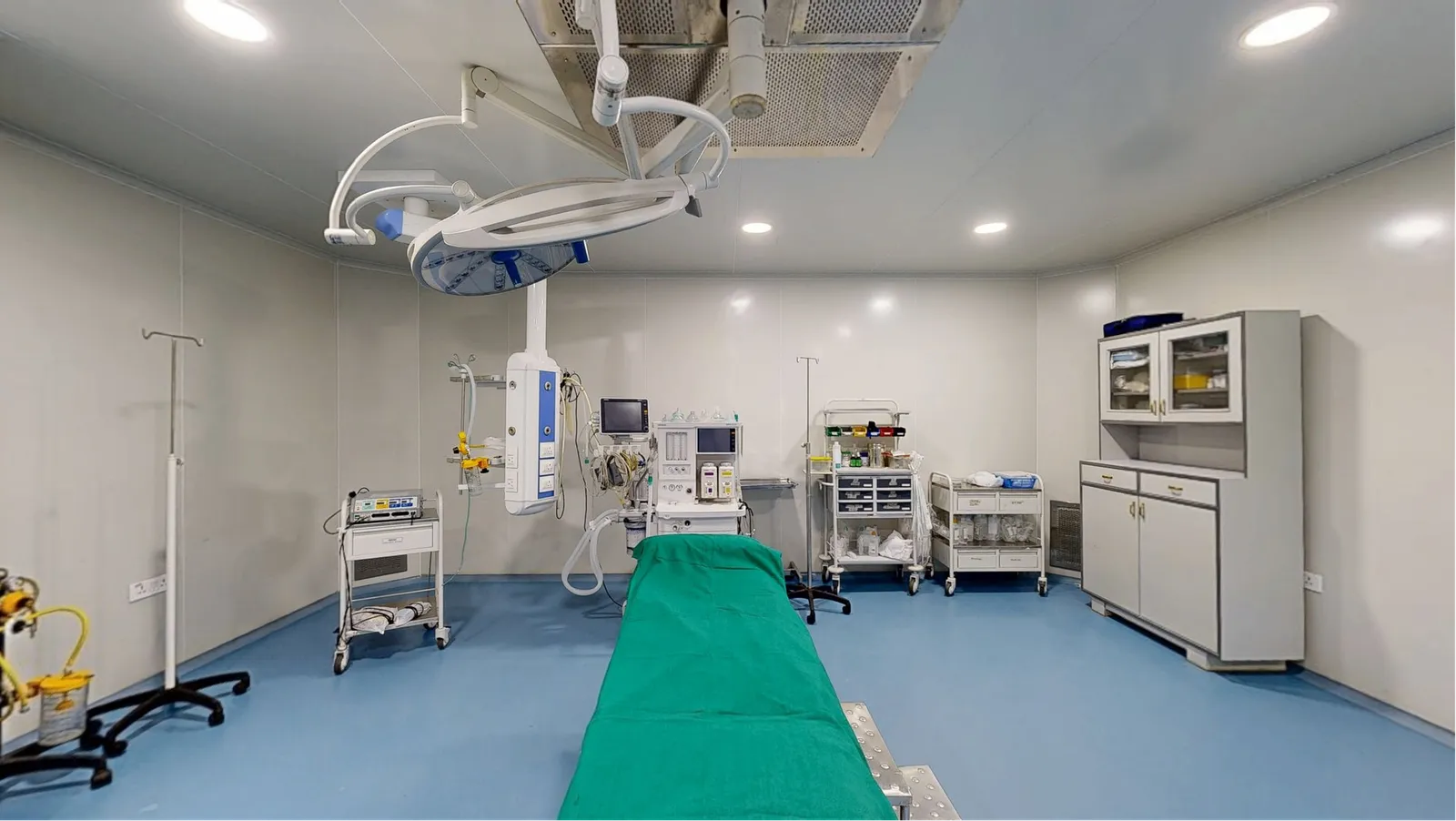
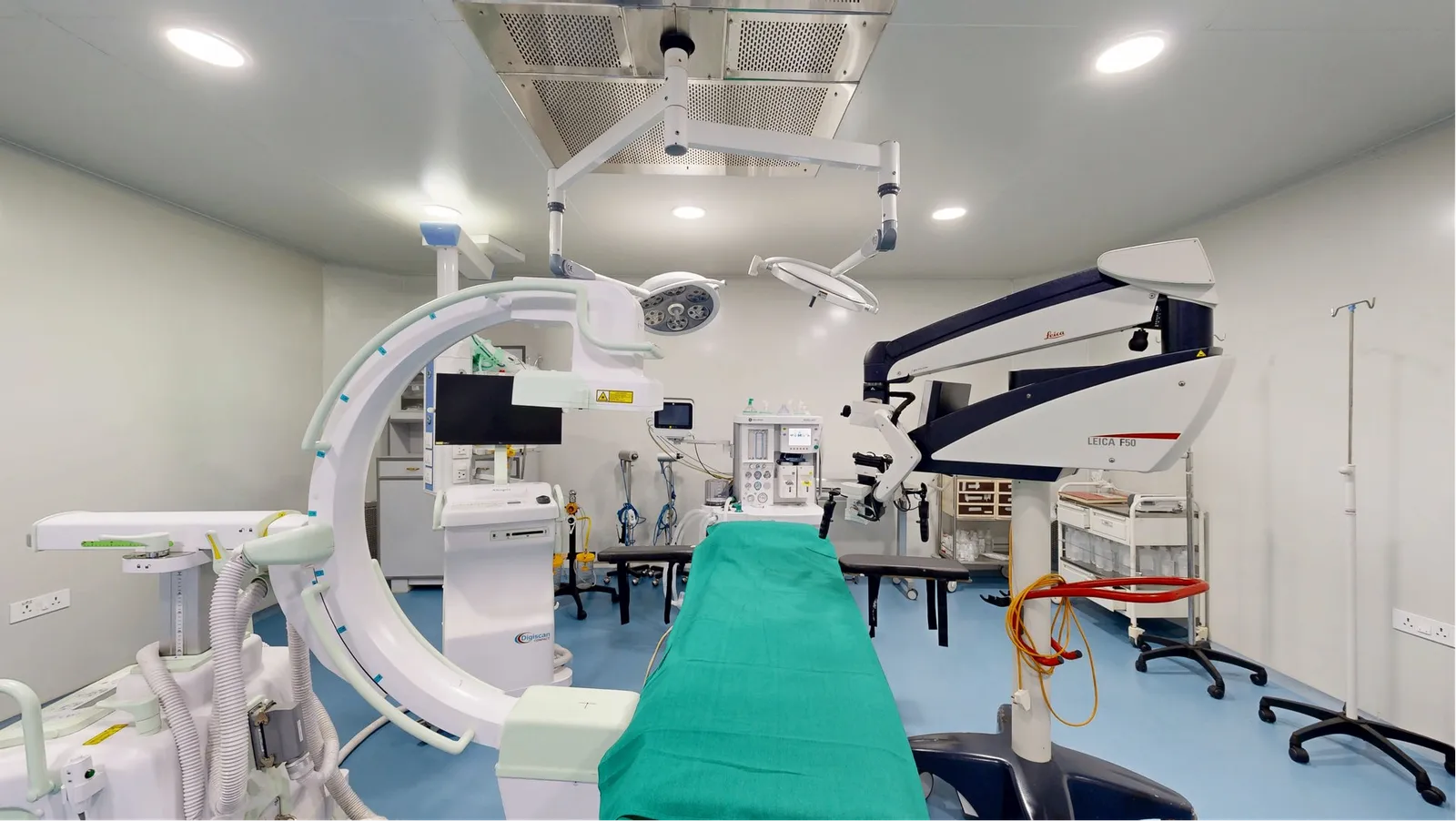
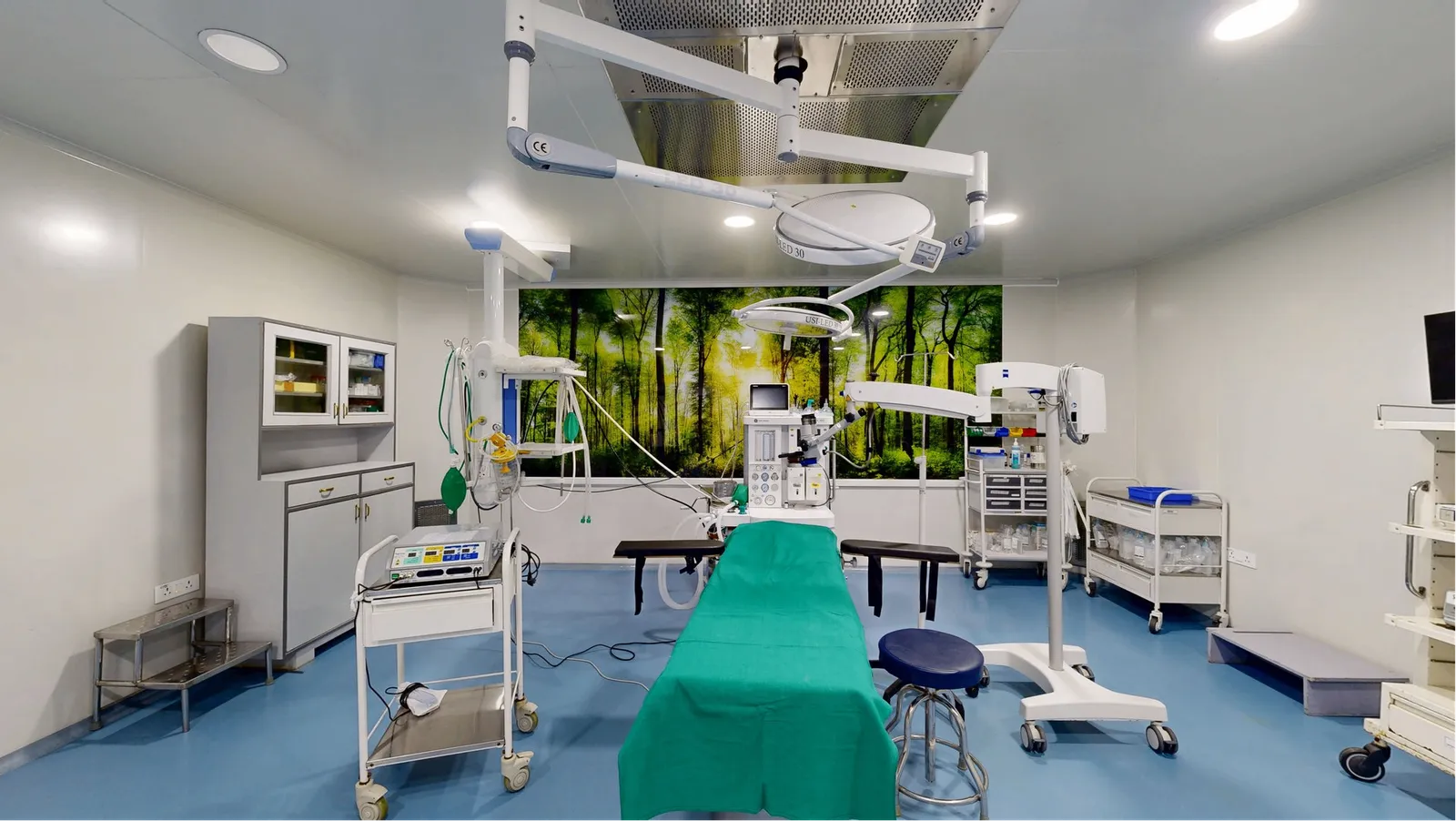
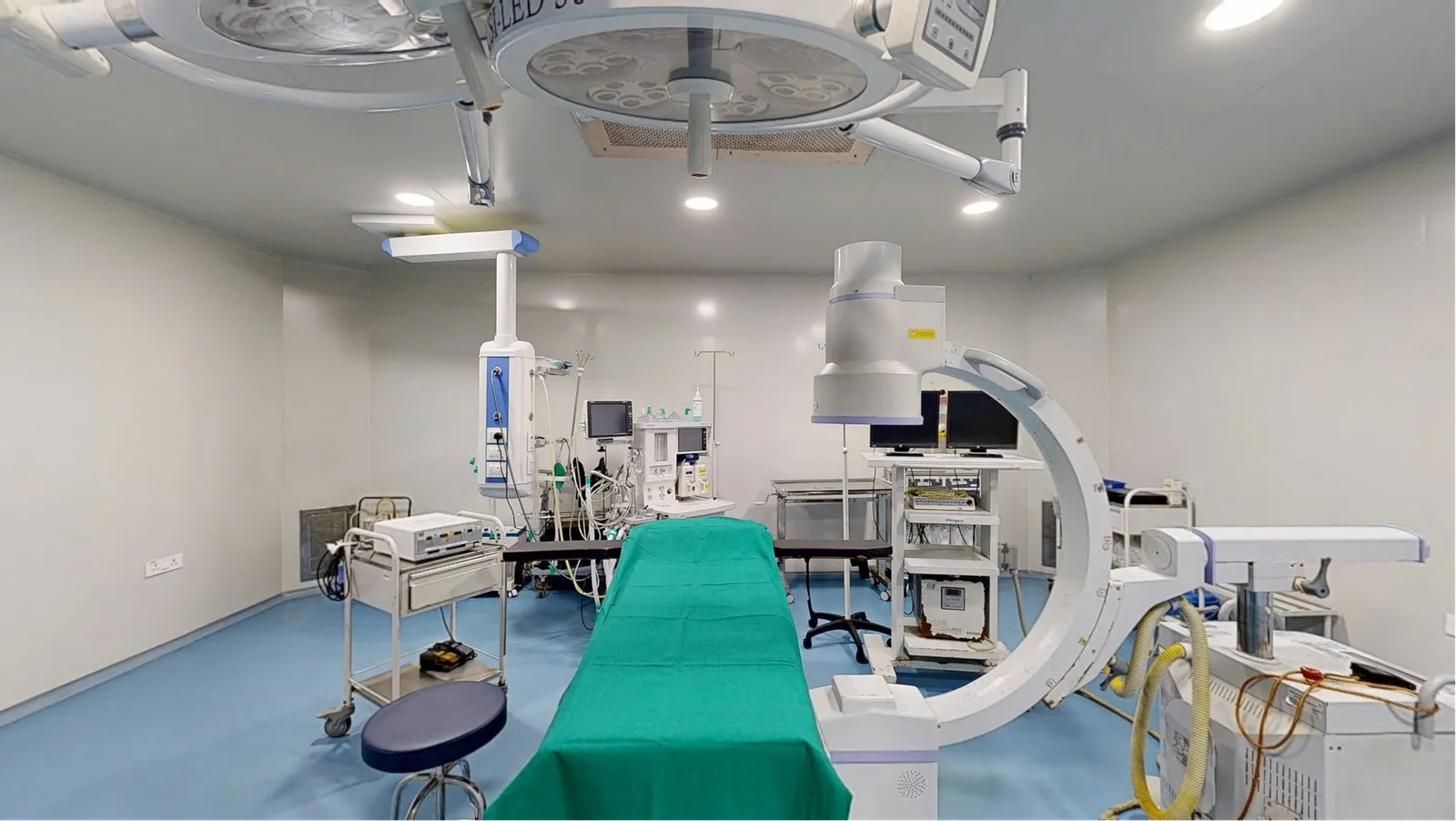
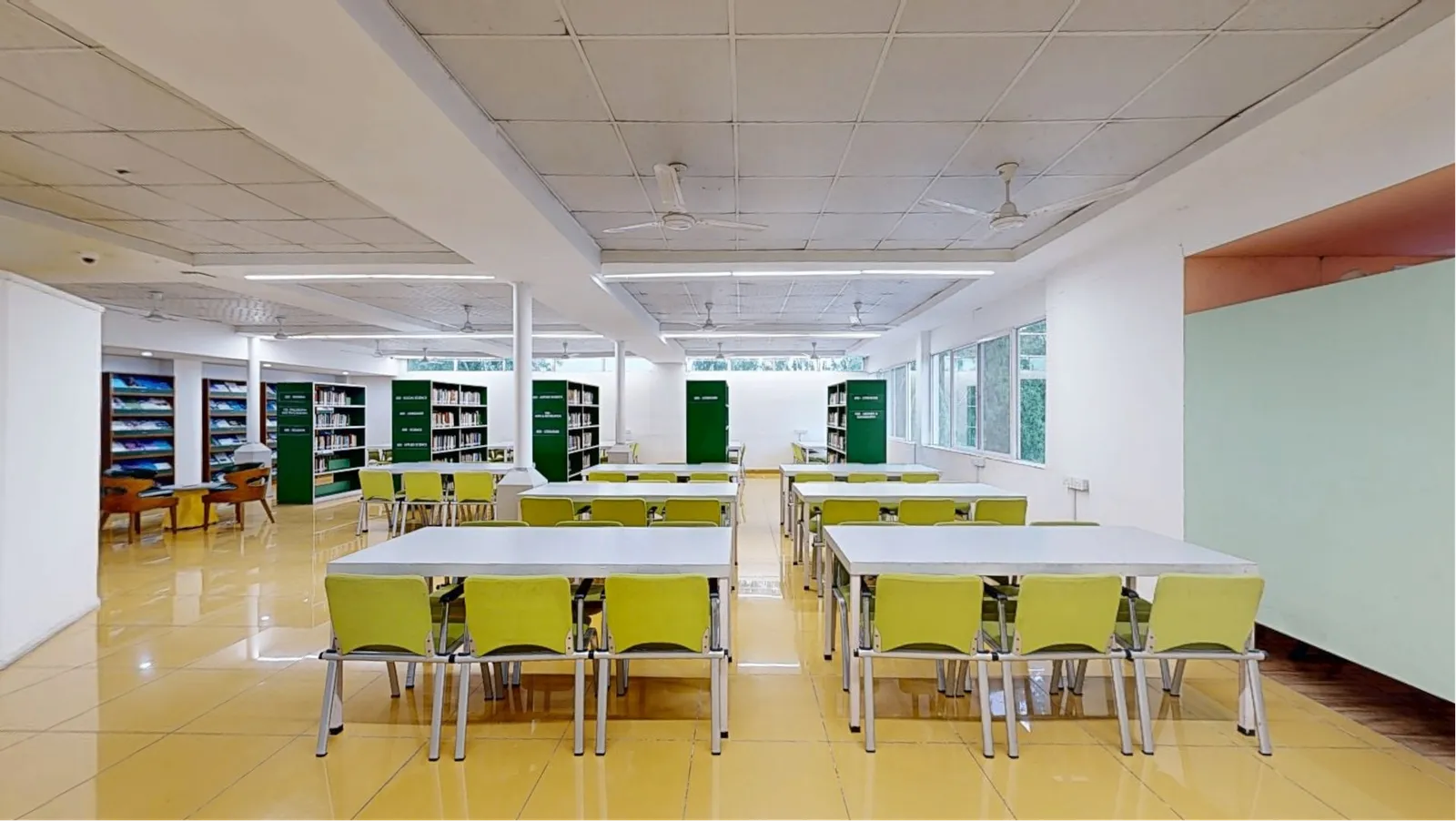
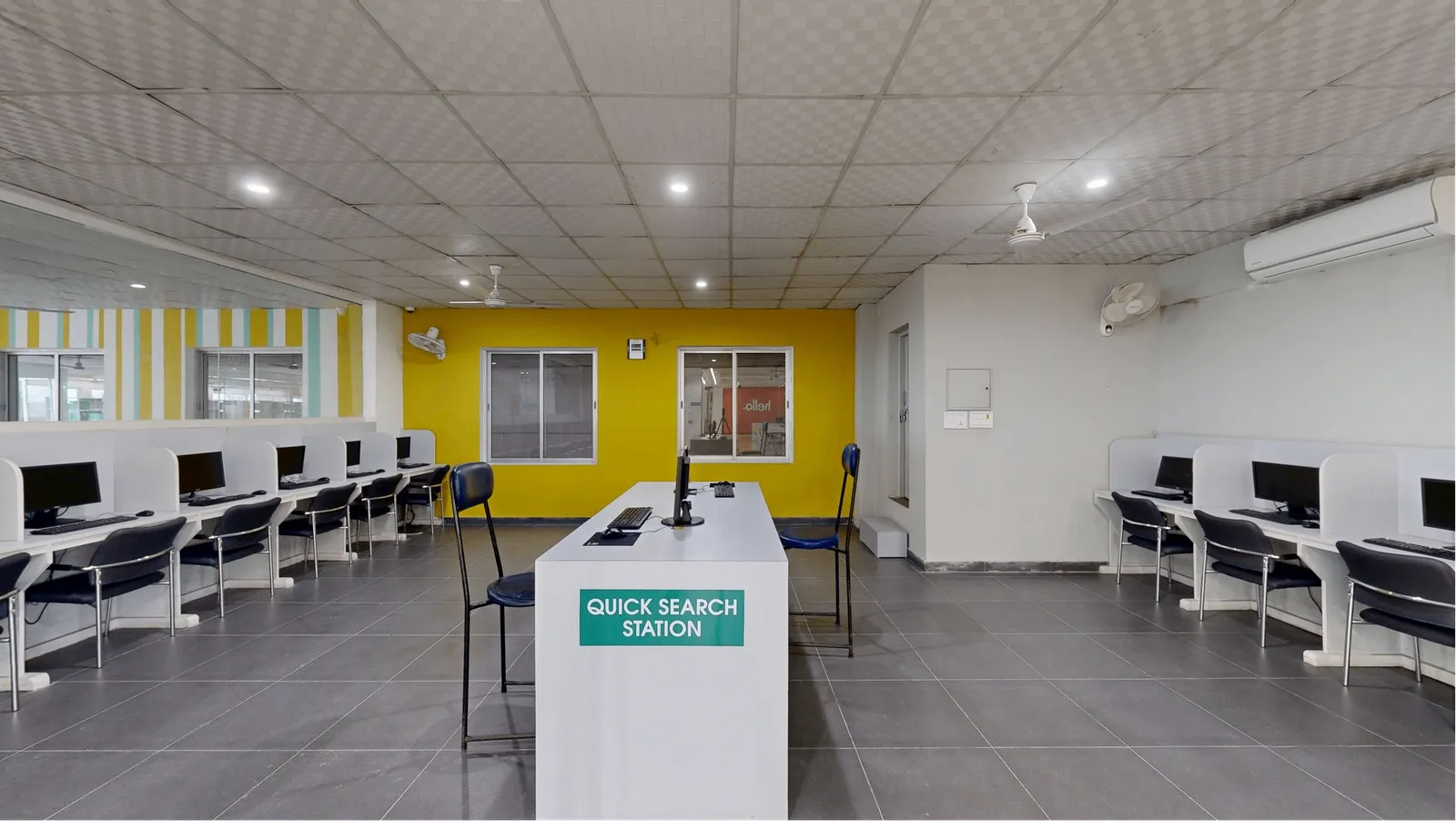
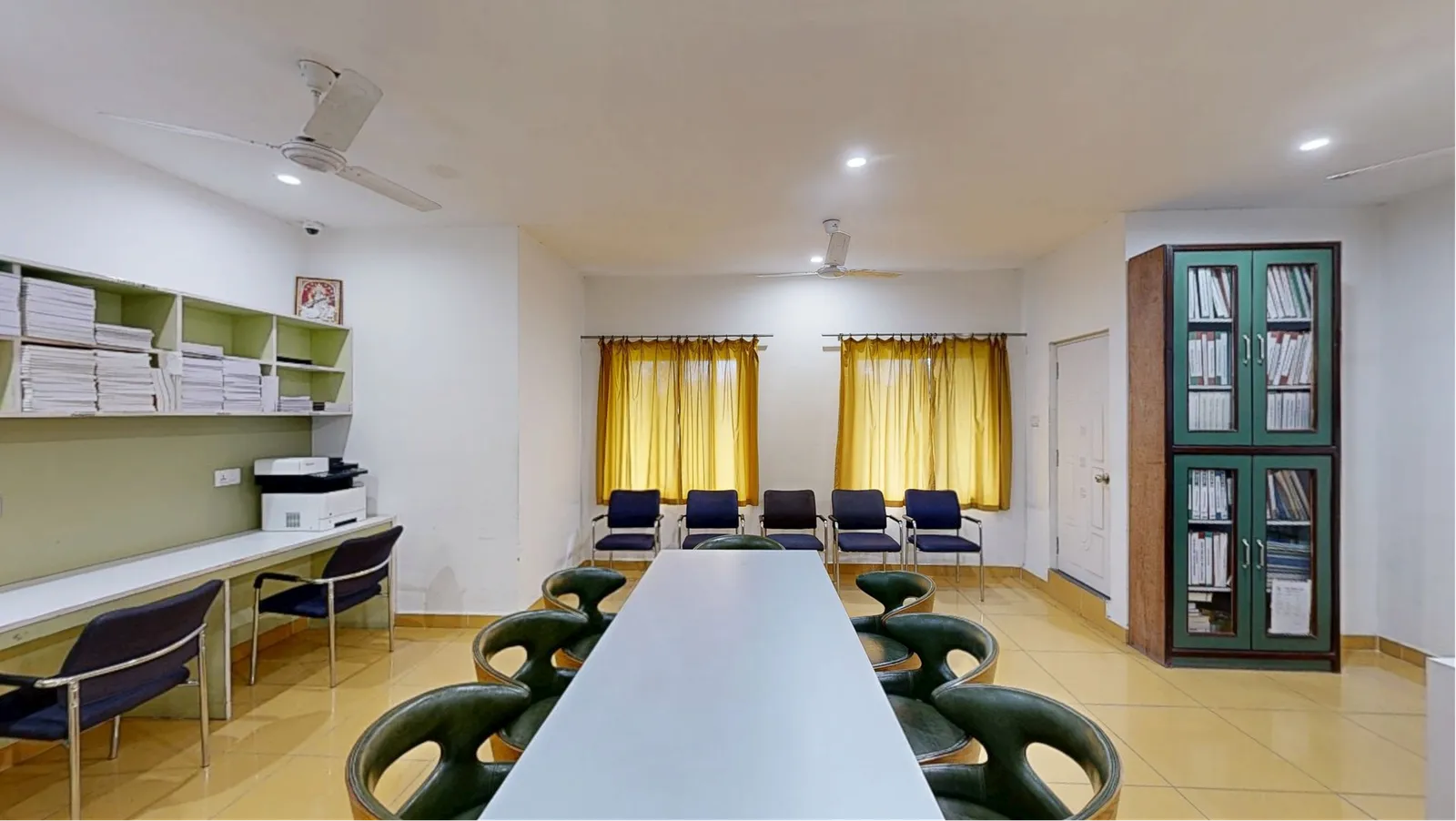
The Paediatric Emergency at Birat Medical College Teaching Hospital is a specialised emergency care unit designed exclusively to attend to urgent and critical medical needs of infants, children, and adolescents. Located within the broader campus of Birat Medical College Teaching Hospital in Tankisinuwari, Nepal, this unit functions as a frontline facility where trained paediatric medical professionals provide immediate assessment, stabilisation, and treatment to young patients presenting with acute conditions.
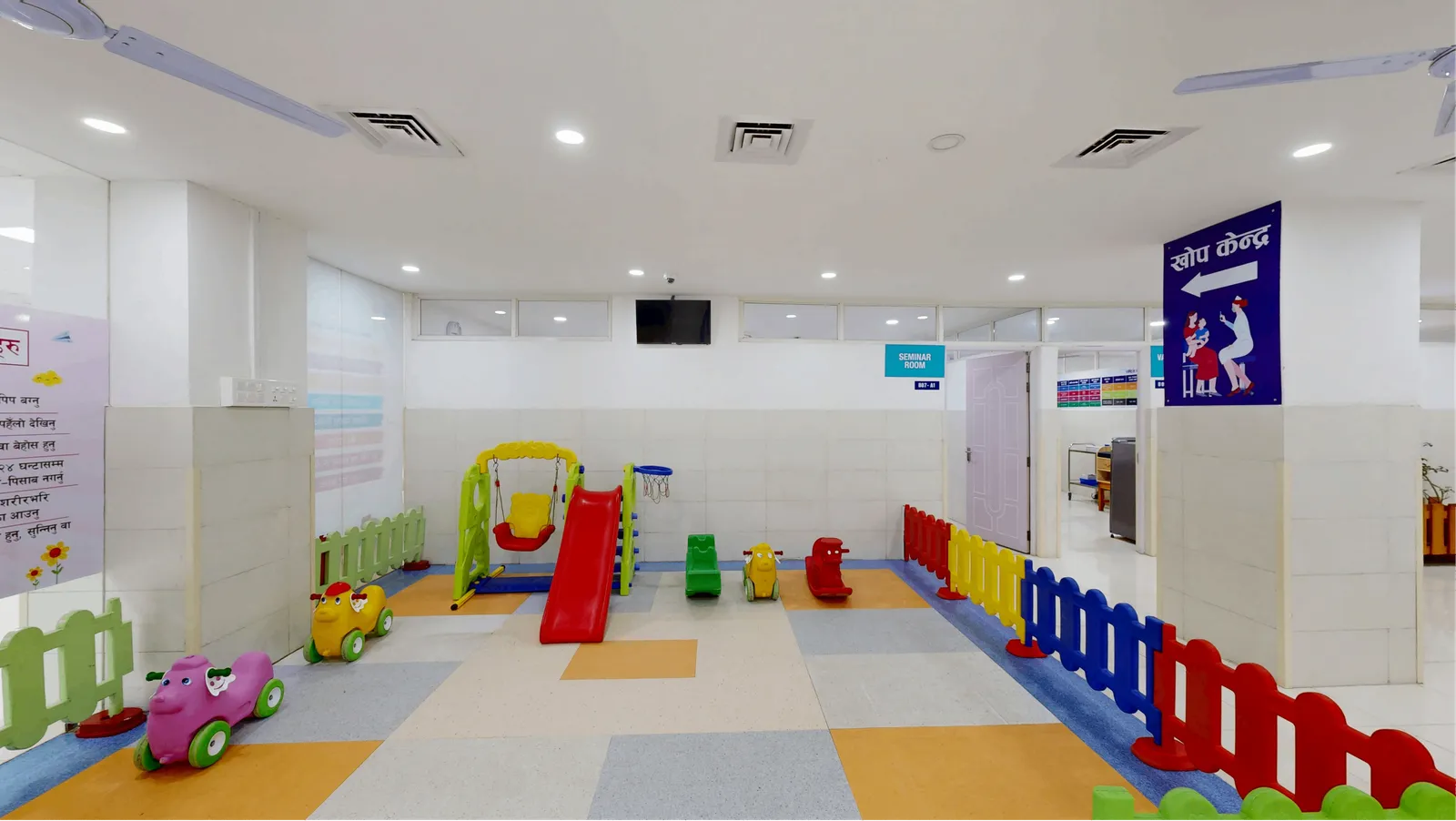
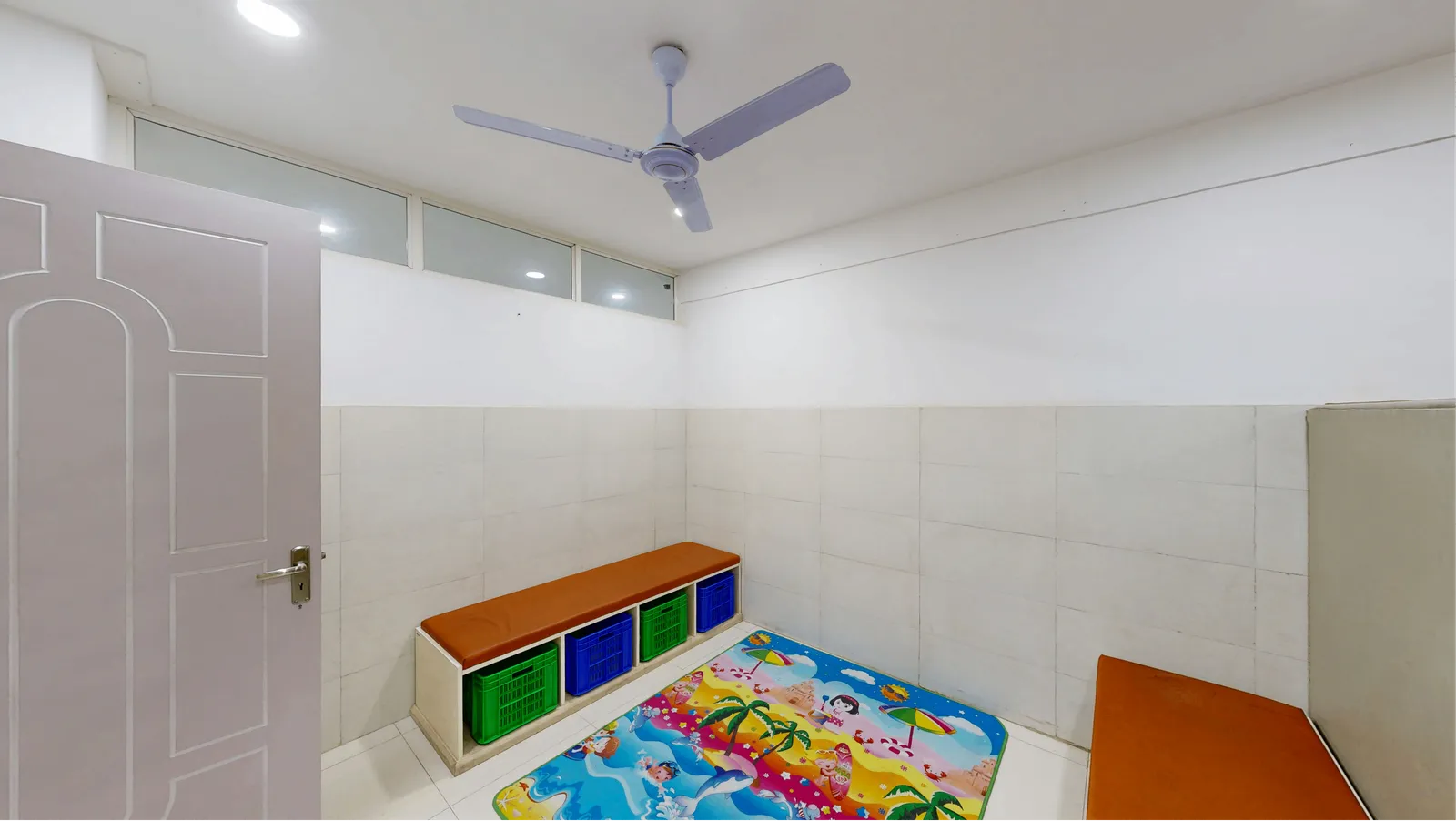
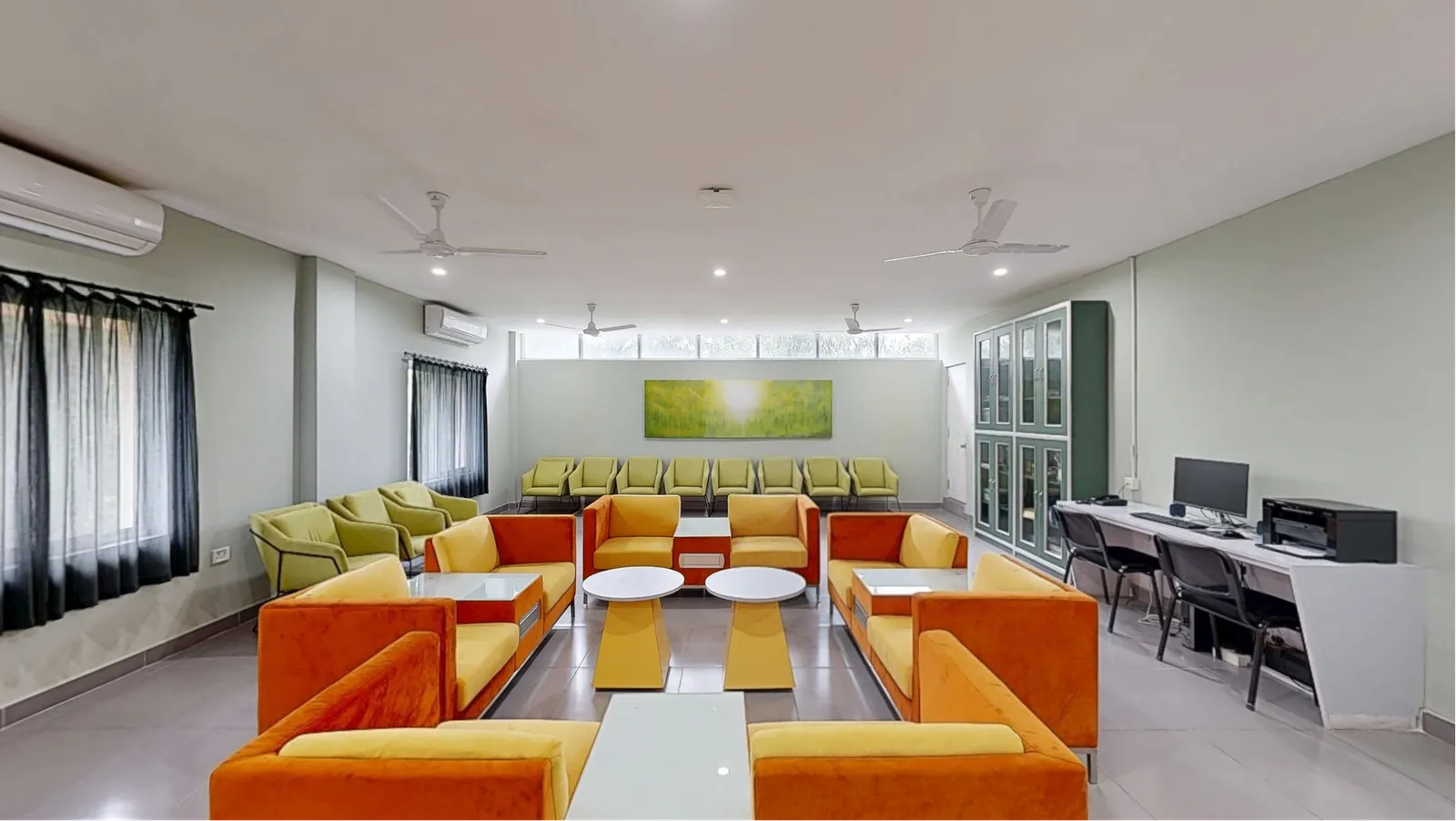
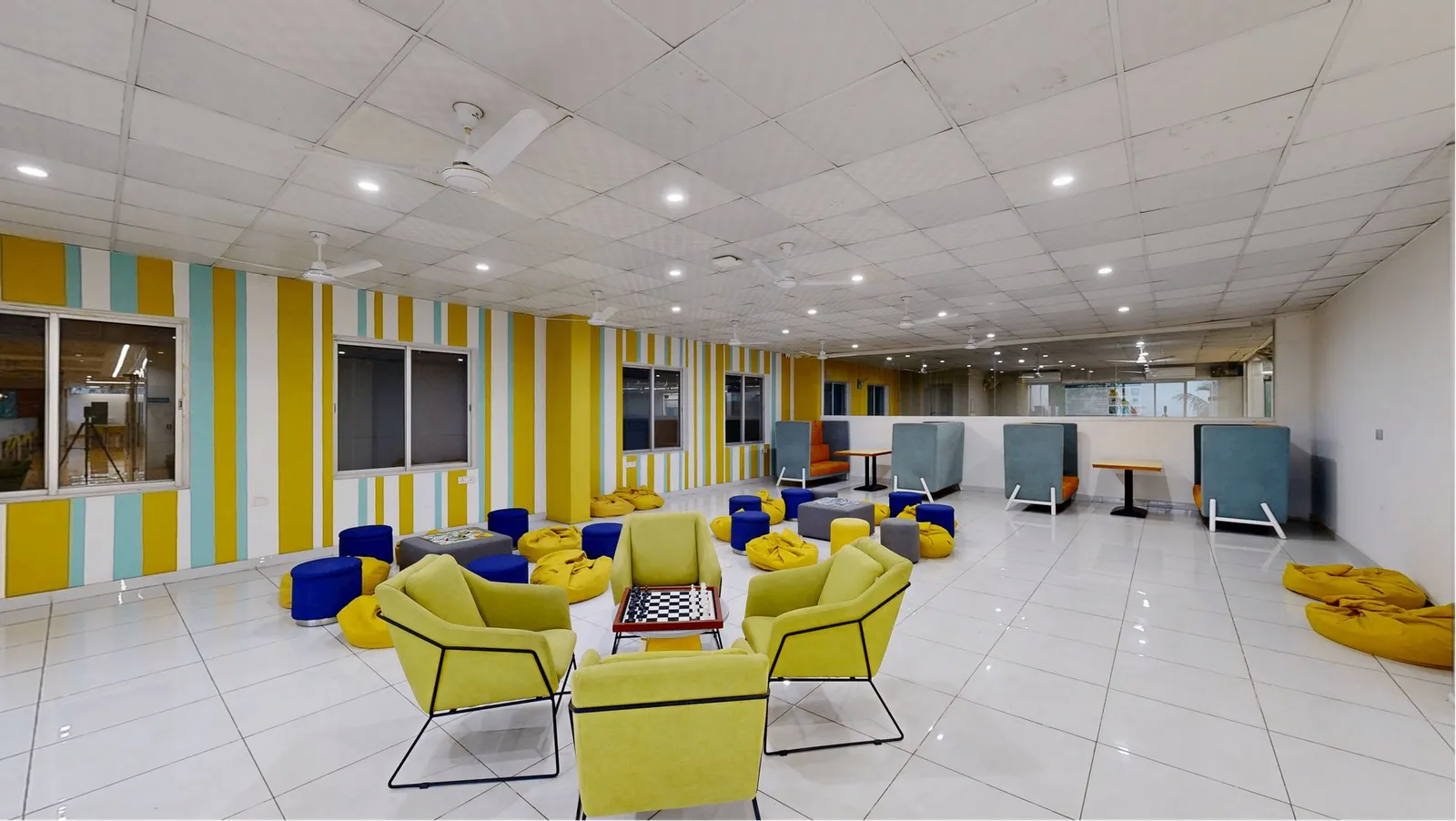
The unit is staffed around the clock, ensuring that families in the Tankisinuwari region and surrounding areas of eastern Nepal can access time-sensitive paediatric care at any hour. The environment is designed with the clinical and emotional needs of children in mind — a setting that aims to balance medical rigour with an atmosphere that is less intimidating for young patients and their caregivers.
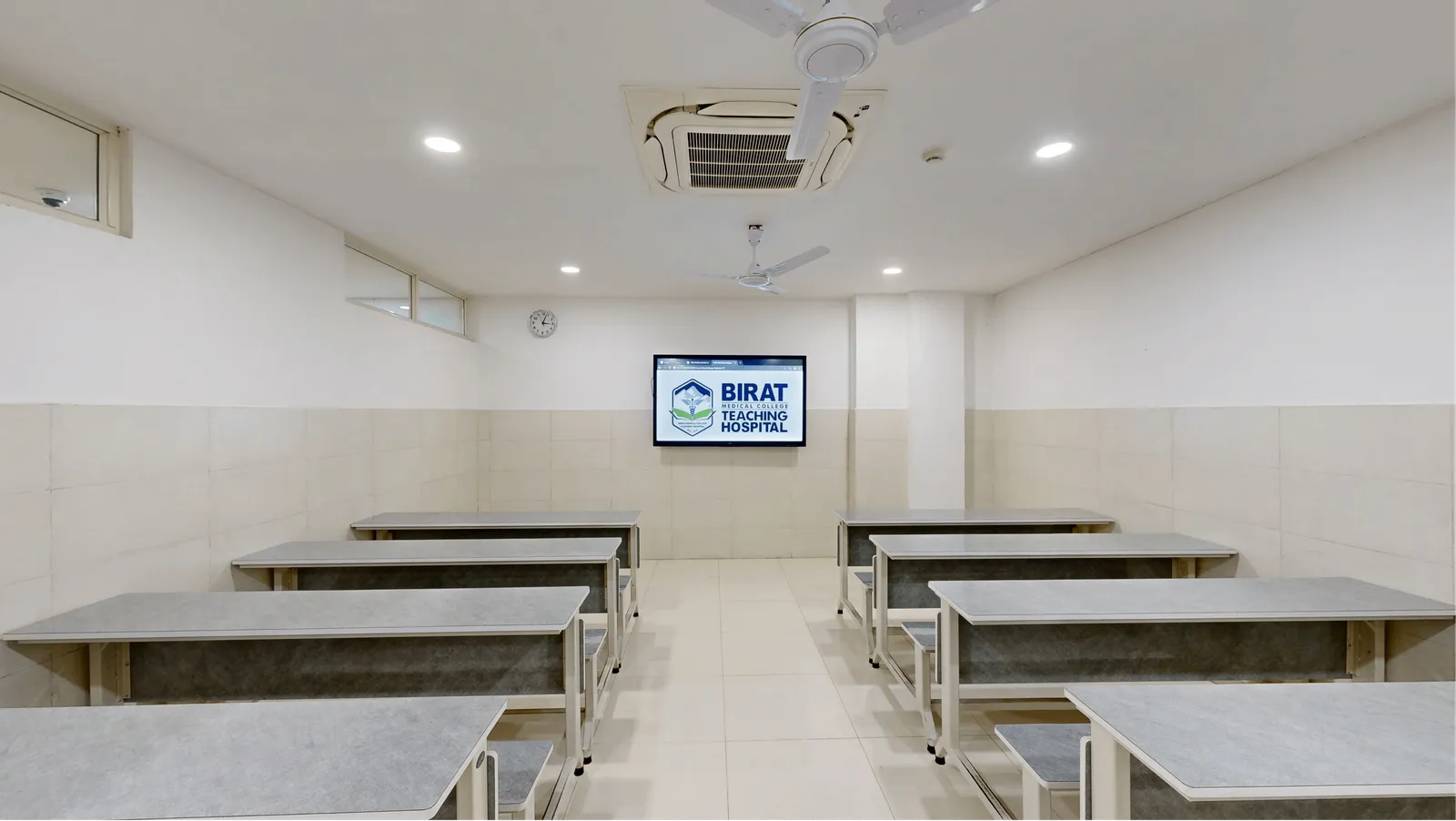
As a teaching hospital unit, the Paediatric Emergency operates at the intersection of active clinical service and medical education. Residents and medical students work alongside senior consultants and paediatric specialists, bringing structured, supervised care to every case that comes through the department. This academic environment supports evidence-based practice and continuous learning, which directly benefits the quality of care delivered to patients.
The unit handles a broad spectrum of paediatric emergencies, including febrile illnesses, respiratory distress, trauma, gastrointestinal conditions, and neurological presentations, among others. Patients who require further inpatient management are transitioned to the appropriate ward or intensive care setting within the hospital, ensuring continuity of care within a single campus.
Birat Medical College Teaching Hospital is situated in Tankisinuwari in the Morang District of Province No. 1 in eastern Nepal. The hospital serves as a significant healthcare resource for communities across the eastern Terai and hilly regions, drawing patients from Biratnagar and neighbouring districts. The Paediatric Emergency is accessible directly through the hospital's emergency pathways, and the hospital's location in Tankisinuwari ensures it is reachable from key population centres in the region.
For families seeking emergency paediatric care in eastern Nepal, the unit represents a locally available, institutionally supported option backed by the academic infrastructure of a medical college and teaching hospital.
VR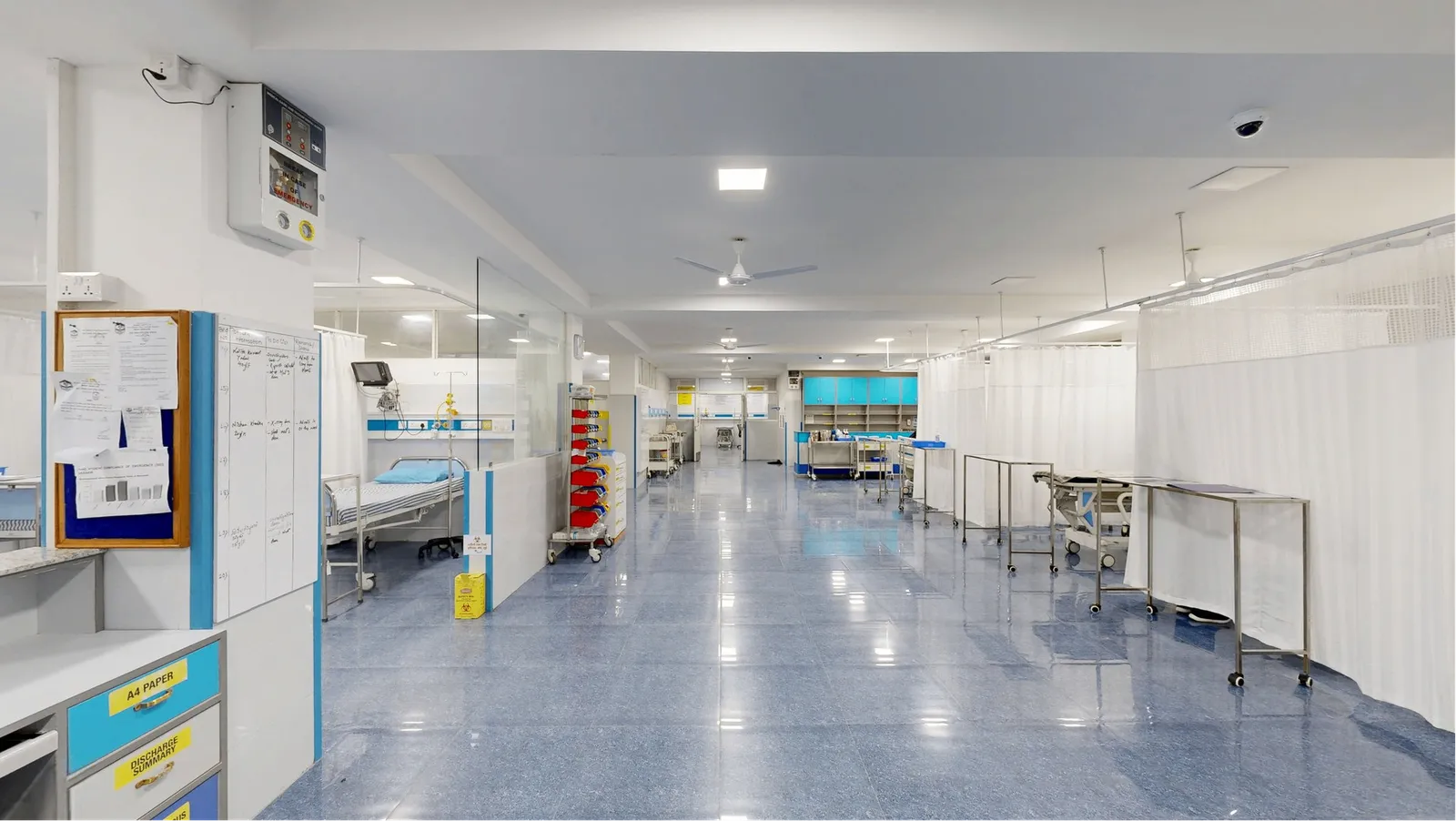 VR
 VR
 VR
 VR
 VR
 VR
 VR
 VR
 VR
 VR
 VR
 VR
 VR
 VR
 VR
 VR
 VR
 VR
 VR
 VR
 VR
 VR
 VR
 VR
 VR
 VR
 VR
 VR
 VR
 VR
 VR
 VR
 VR
 VR
 VR
 VR
 VR
 VR
 VR
 VR
 VR
 VR
 VR
 VR
 VR
 VR
 VR
 VR
 VR
 VR
 VR
 VR
 VR
 VR
 VR
 VR
 VR
 VR
 VR
 VR
 VR
 VR
 VR
 VR
 VR
 VR
 VR
 VR
 VR
 VR
 VR
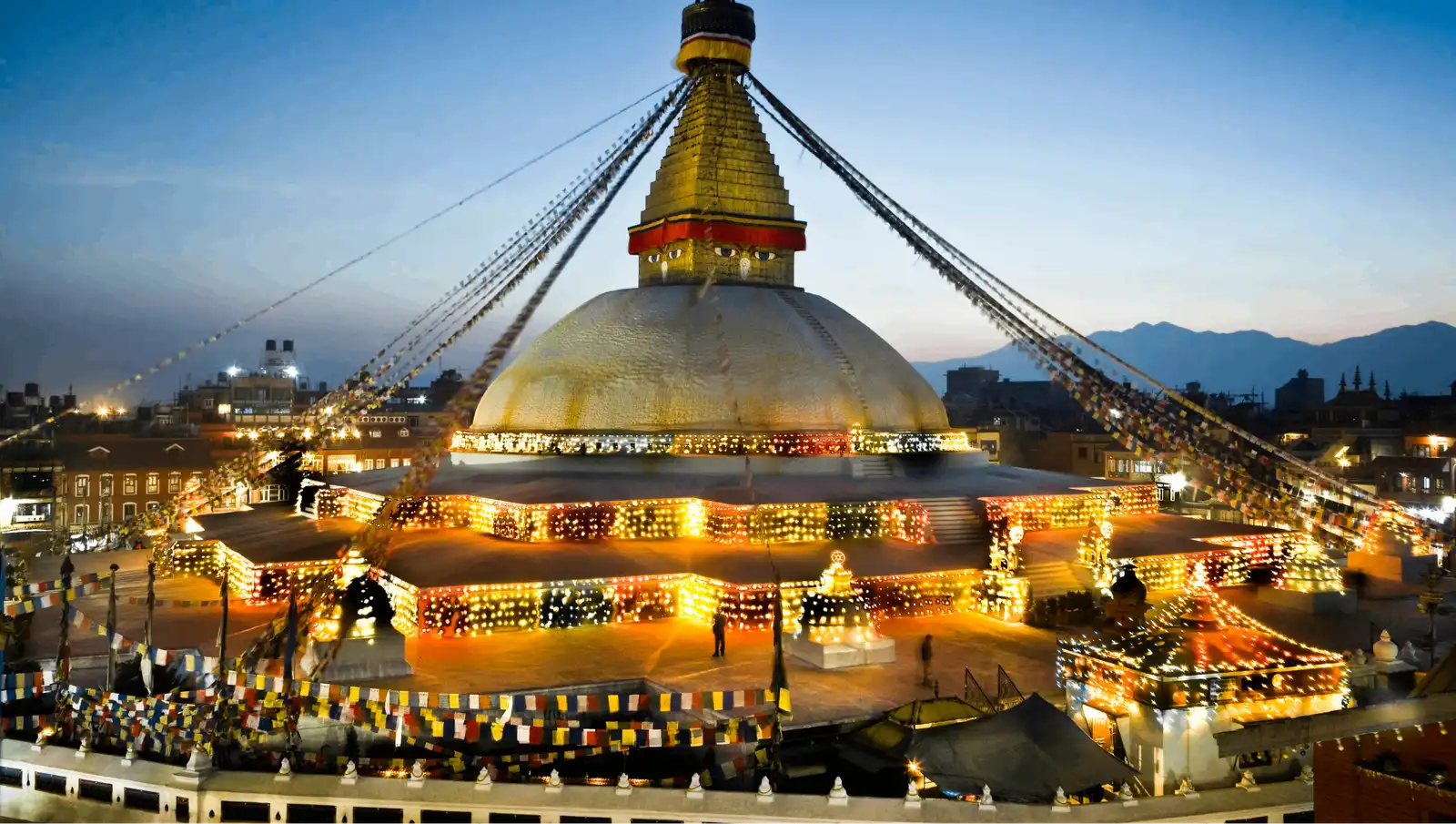
Boudha Stupa; or Jarung Kashor, also known as Khasti Chaitya or Khāsa Chaitya, is a stupa and major spiritual landmark seen as the embodiment of the enlightened mind of all the Buddhas, located in Boudha, within the city of Kathmandu, Nepal.
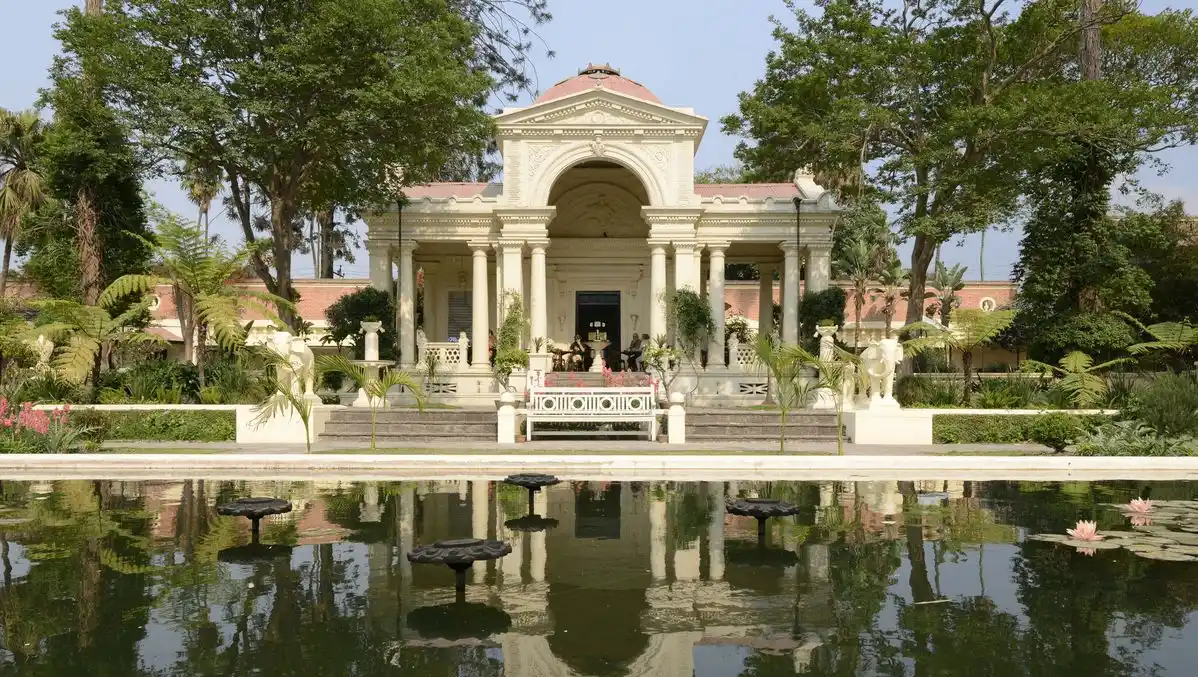
The Garden of Dreams, also, the Garden of Six Seasons, is a neo-classical garden in Kaiser Mahal Kathmandu, Nepal, built in 1920. Designed by Kishore Narshingh, it consists of 6,895 square metres of gardens with three pavilions, an amphitheater, ponds, pergolas, and urns.

Pashupatinath Temple is a revered Hindu temple dedicated to Pashupati, a manifestation of Shiva. Located on the banks of the sacred Bagmati River in Kathmandu, Nepal, the temple is one of the oldest and most significant religious complexes in South Asia.
No reviews yet. Be the first to share your experience at Birat Medical College Teaching Hospital.
The Paediatric Emergency is dedicated to the emergency care of infants, children, and adolescents. Families with adult patients should approach the general emergency department of the hospital. For precise age thresholds, it is best to confirm directly with the hospital.
The unit is staffed around the clock to ensure that urgent paediatric cases can be attended to at any time of day or night. Families in Tankisinuwari and surrounding areas of eastern Nepal can access the unit at any hour. It is advisable to call ahead in non-critical situations to understand current wait times.
The unit manages a wide range of acute paediatric presentations, including febrile illnesses, respiratory distress, trauma, gastrointestinal conditions, and neurological emergencies. Children requiring ongoing inpatient care are transferred to the appropriate ward or intensive care unit within the same hospital campus. The clinical team assesses each case on arrival to determine the most appropriate level of care.
Birat Medical College Teaching Hospital is a private medical college teaching hospital located in Tankisinuwari, Morang District, Nepal. For details about fee structures, insurance tie-ups, or government scheme eligibility, families should contact the hospital's administration directly.
As a teaching hospital, the Paediatric Emergency involves medical residents and students working under the supervision of senior consultants and paediatric specialists. This academic environment promotes evidence-based, structured care while also contributing to the training of the next generation of medical professionals. Supervision protocols are in place to ensure patient safety at all times.
The unit serves communities across eastern Nepal, with patients drawn from Tankisinuwari, Biratnagar, and the wider Morang District, as well as from neighbouring districts in Province No. 1. Its location in the eastern Terai makes it an important resource for both Terai and hilly communities in the region. Families from across eastern Nepal seeking specialist paediatric emergency care can access the unit.
Caregivers are generally advised to carry any prior medical records, prescription documents, immunisation cards, and identification documents for the child. Bringing details of any current medications or known allergies is also helpful for the treating team. For the most current requirements, caregivers should confirm with the hospital administration or triage staff on arrival.
Yes, children who require further inpatient management following their emergency assessment can be transitioned to the appropriate ward or intensive care setting within the Birat Medical College Teaching Hospital campus. This ensures continuity of care without requiring transfer to a separate facility. The admissions process is coordinated by the treating medical team.
The unit is staffed by paediatric medical professionals, with senior consultants and specialists involved in the supervision and management of cases. Given the teaching hospital structure, residents also play an active role under specialist oversight. For specific queries about specialist availability at particular times, the hospital should be contacted directly.
Birat Medical College Teaching Hospital is located in Tankisinuwari in the Morang District of Province No. 1, eastern Nepal. The hospital is accessible from Biratnagar and other nearby population centres in the region. For precise directions and the best route from your location, it is recommended to contact the hospital or consult a local navigation resource.
Emergency departments in teaching hospitals of this type typically operate a triage system to prioritise patients based on the severity of their condition. This means the most critically unwell children are seen first, regardless of arrival order. For specific details about the triage process at this unit, caregivers should confirm with the hospital directly.
In most paediatric emergency settings, at least one caregiver is permitted to remain with the child to provide comfort and assist with history-taking. The specific visitor and companion policy at Birat Medical College Teaching Hospital's Paediatric Emergency should be confirmed with the unit's staff, as policies can vary based on clinical circumstances.
Many teaching hospitals in Nepal operate ambulance services for patient transport. Whether Birat Medical College Teaching Hospital provides ambulance services for incoming or outgoing paediatric emergencies should be confirmed by contacting the hospital directly. In a medical emergency, calling the hospital's main contact number is the recommended first step.
Following an emergency presentation, the treating team can arrange referrals or follow-up consultations with the relevant paediatric department within the hospital. Birat Medical College Teaching Hospital, as a full teaching hospital, has multiple departments that support ongoing outpatient and specialist care. Caregivers should ask the emergency team about the process for scheduling a follow-up before discharge.
Further information about the Paediatric Emergency can be obtained through the hospital's official website at bmcteachinghospital.com or by contacting the hospital's main reception or administration directly. The website provides institutional contact details and departmental information. For urgent medical needs, visiting the emergency department in person or calling the hospital is always the most reliable course of action.