

Delhi, India, India
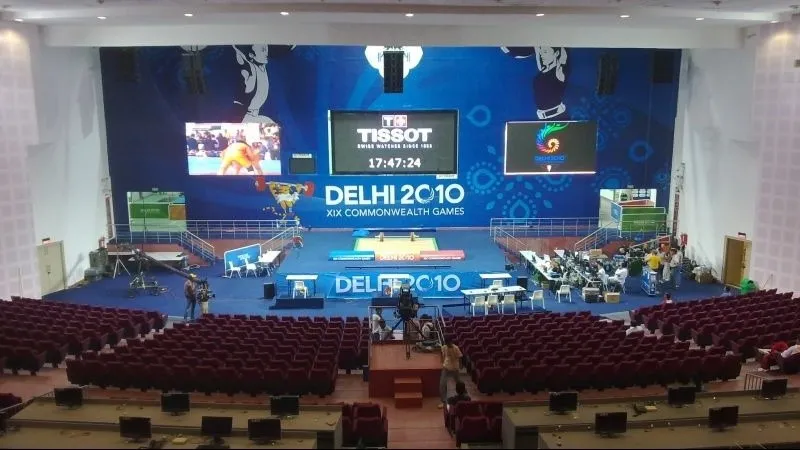
The Open Space near Gate 7–9 at Jawaharlal Nehru Stadium is one of Delhi's most recognisable large-scale outdoor event venues. Set within the expansive grounds of a landmark stadium in Pragati Vihar, South Delhi, this open-air space carries the weight and prestige of a venue that has witnessed some of India's most significant sporting and cultural moments. The setting is unmistakably grand — wide, open skies, the iconic arched canopy of the stadium as a backdrop, and a sense of scale that few venues in the capital can match. The atmosphere strikes a balance between the energy of a public landmark and the operational flexibility of a purpose-adaptable event ground, making it a compelling choice for organisers who need both spectacle and space.
The Open Space near Gate 7–9 is suited to large-format events that demand both area and atmosphere. Exhibition organisers, trade fair curators, auto shows, product launches, cultural festivals, concerts, and government or institutional gatherings have all found the ground's scale and accessibility to be decisive advantages. The open-air format allows for extensive temporary infrastructure — large tents, exhibition pavilions, staging, and branded installations — giving event planners considerable creative freedom. The proximity to multiple stadium gates means that crowd movement and entry logistics can be managed across several access points, which is a meaningful operational benefit for high-footfall events. While the space is particularly well suited to daytime exhibitions and outdoor cultural programmes, it is adaptable across a wide variety of formats subject to permissions and setup requirements.
Jawaharlal Nehru Stadium sits in Pragati Vihar, one of Delhi's well-connected southern districts, with strong road links to the rest of the city via Mathura Road and the ring road network. The stadium has its own dedicated Delhi Metro station — Jawaharlal Nehru Stadium on the Violet Line — making it straightforwardly accessible for attendees arriving from across the NCR without relying on private transport. The venue's location within a large institutional campus means there is substantial surrounding space for parking and logistics staging, which larger events with vendor trucks, equipment, and generator requirements will find useful. Proximity to Lodi Road, Khan Market, and several five-star hotels in the broader South Delhi corridor means that accommodation and hospitality options for out-of-town guests and delegates are readily available nearby. For event organisers, the combination of metro connectivity, road access, and the stadium's established reputation as a public landmark simplifies both guest communication and vendor coordination significantly.
No reviews yet. Be the first to share your experience at Jawaharlal Nehru Stadium.
The Open Space near Gate 7–9 is particularly well suited to large-format outdoor events such as trade fairs, exhibitions, auto shows, product launches, cultural festivals, and concerts. Its scale and open-air format allow for extensive temporary infrastructure including tents, pavilions, and large staging setups. Organisers of government, institutional, or high-footfall public events have also found it to be a practical and prestigious choice. The exact event types permitted are subject to approval, so prospective organisers should confirm with the stadium management directly.
The proximity to multiple stadium gates allows crowd movement, ticketing, and entry to be distributed across several access points rather than funnelled through a single entrance. This is a significant operational advantage for events with large attendee numbers, as it reduces bottlenecks and improves the overall guest experience. Organisers running exhibitions or festivals with staggered arrival times will find this flexibility particularly useful for managing flow.
Yes, Jawaharlal Nehru Stadium has its own dedicated Metro station — Jawaharlal Nehru Stadium station on the Violet Line — making the venue directly accessible by public transport from across Delhi and the NCR. This is a considerable advantage for events where attendees are expected to arrive from multiple parts of the city. Organisers can prominently feature Metro connectivity in their guest communication to reduce reliance on private vehicles and parking.
The Open Space near Gate 7–9 is a large outdoor ground within the Jawaharlal Nehru Stadium campus, capable of accommodating significant numbers of attendees, but specific verified capacity figures for different event formats are not publicly confirmed. Capacity will also depend on the event layout, temporary structure footprint, safety requirements, and any applicable permissions. Prospective clients should reach out to the stadium management team to get a figure matched to their specific event format and setup plan.
The open-air format of the space is specifically suited to temporary infrastructure including large tents, branded pavilions, exhibition halls, staging, and generator setups. This flexibility is one of the space's key strengths, giving event planners significant creative and operational freedom. All temporary structure installations would be subject to the relevant permissions and approvals from stadium management and applicable authorities.
Jawaharlal Nehru Stadium is located in Pragati Vihar, South Delhi, with strong road connectivity via Mathura Road and the ring road network. It is accessible from central Delhi, Noida, and Gurugram, and the stadium's landmark status means it is widely recognised by drivers and navigation apps alike. Organisers holding large events should coordinate with the stadium on traffic management and dedicated entry routes for vendors and equipment vehicles.
The Jawaharlal Nehru Stadium campus is set within a large institutional ground, and the surrounding areas have historically been used to accommodate parking and logistics staging for major events. Specific parking capacity and arrangements for a given event would need to be confirmed with stadium management, as allocation can vary depending on concurrent activities at the stadium. For large events, organisers are encouraged to also promote Metro access as a primary travel option to ease parking demand.
Jawaharlal Nehru Stadium is one of India's most iconic sporting and cultural landmarks, and its distinctive arched canopy structure provides an instantly recognisable and visually striking backdrop for brand activations, product launches, and corporate gatherings. Hosting an event here carries an association with national-scale occasions, which can lend credibility and memorability to corporate programmes. The landmark's recognition also simplifies location communication — guests across the country and abroad are familiar with the venue.
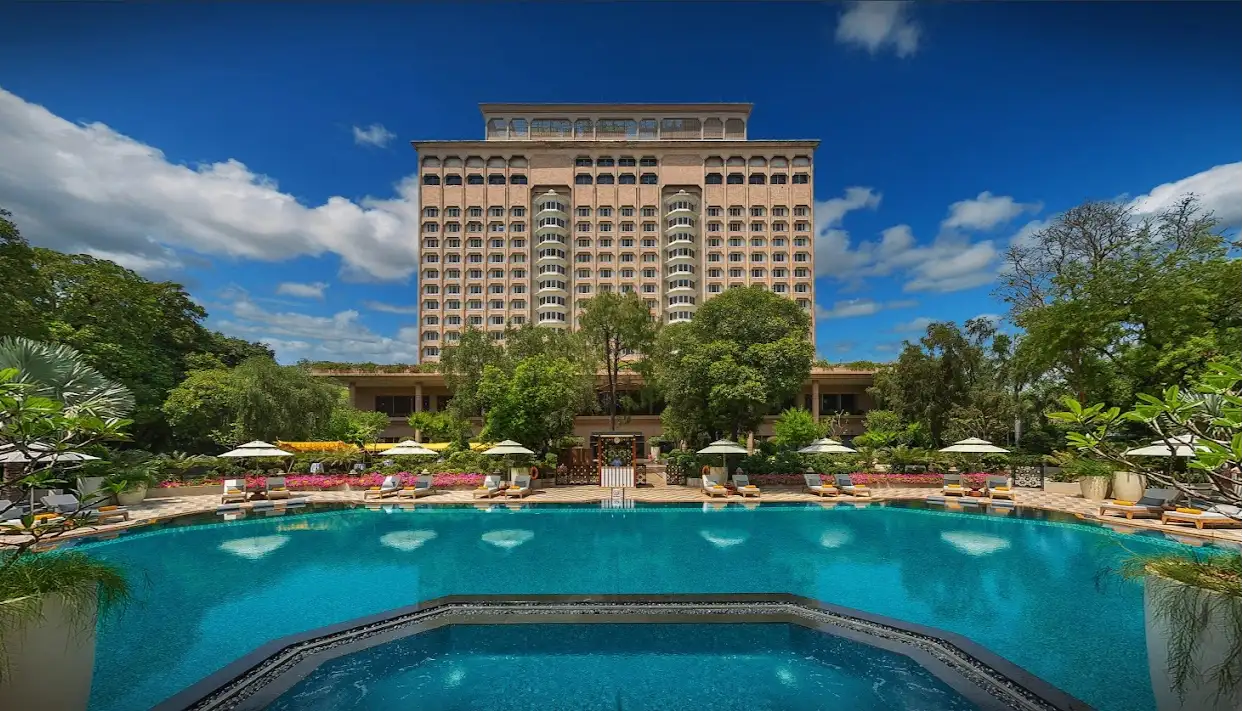
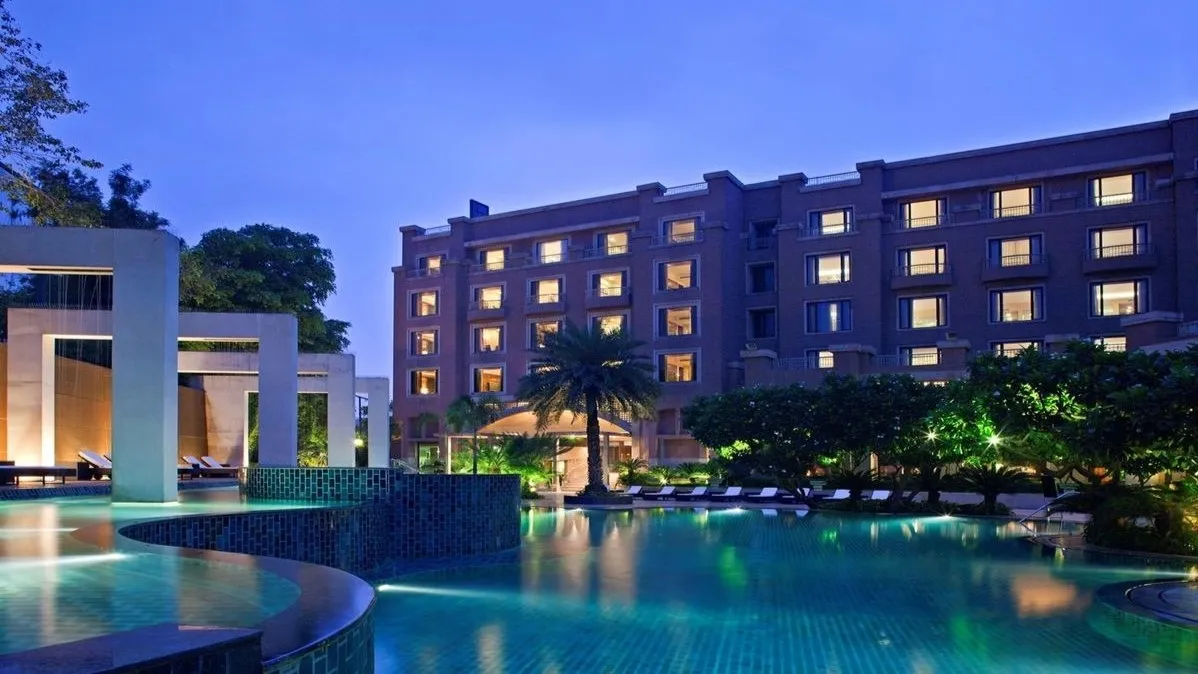
The stadium's location in South Delhi puts it within reach of several hotels along the Lodi Road corridor and in the broader Khan Market and Defence Colony areas, including a number of five-star properties. This makes it straightforward for event organisers to arrange accommodation blocks for out-of-town guests, delegates, or VIP attendees. Organisers should confirm availability and negotiate group rates with preferred hotels well in advance, especially for events spanning multiple days.
Booking enquiries for the Open Space near Gate 7–9 should be directed to the Jawaharlal Nehru Stadium management or the Sports Authority of India, which oversees the facility. The process typically involves submitting an event proposal, specifying dates, estimated attendance, event type, and infrastructure requirements. Given the venue's scale and institutional nature, prospective organisers are advised to begin the booking process well ahead of their intended event date to allow adequate time for approvals and coordination.
Specific details about in-house catering services or a list of approved external vendors for the Open Space near Gate 7–9 are not publicly confirmed. Organisers should clarify catering policies — including whether outside vendors are permitted and what kitchen or utility infrastructure is available — directly with the stadium management team when submitting their event proposal. This detail is especially important to resolve early for food festivals, corporate dinners, or multi-day exhibitions.
Large outdoor events at a prominent public stadium like Jawaharlal Nehru Stadium typically require approvals from the stadium management, the Sports Authority of India, and depending on the nature of the event, from Delhi Police and the relevant municipal authority. Events involving large crowds, temporary structures, sound systems, or food and beverage operations may each carry separate compliance requirements. Organisers are strongly advised to begin the permissions process early and engage a local event management partner familiar with Delhi's regulatory environment.
The Open Space near Gate 7–9 is an outdoor ground rather than a fitted indoor hall, so organisers of events requiring AV, sound, or lighting will typically need to arrange their own equipment and production vendors. This is standard practice for outdoor exhibitions and festival-format events of this nature. Organisers should confirm with stadium management whether there are any restrictions on sound levels or hours of operation, particularly for evening events.
The scale and open-air format of the space makes it well suited to multi-day events such as trade fairs, auto shows, and exhibitions, which require time to build out temporary infrastructure before the public-facing days begin. Multi-day bookings and setup access windows would need to be agreed upon as part of the booking and approval process with stadium management. Organisers should factor in load-in, build, event, teardown, and load-out days when requesting a booking period.
The venue is easy to communicate to guests because Jawaharlal Nehru Stadium is a well-known Delhi landmark, and Gate 7–9 provides a specific and clear entry reference point within the large campus. The dedicated Jawaharlal Nehru Stadium Metro station on the Violet Line is the most reliable navigation anchor for guests arriving by public transport. Organisers can further assist wayfinding by placing signage along Mathura Road and at the Metro station exit, given the size of the stadium grounds.