
 VR
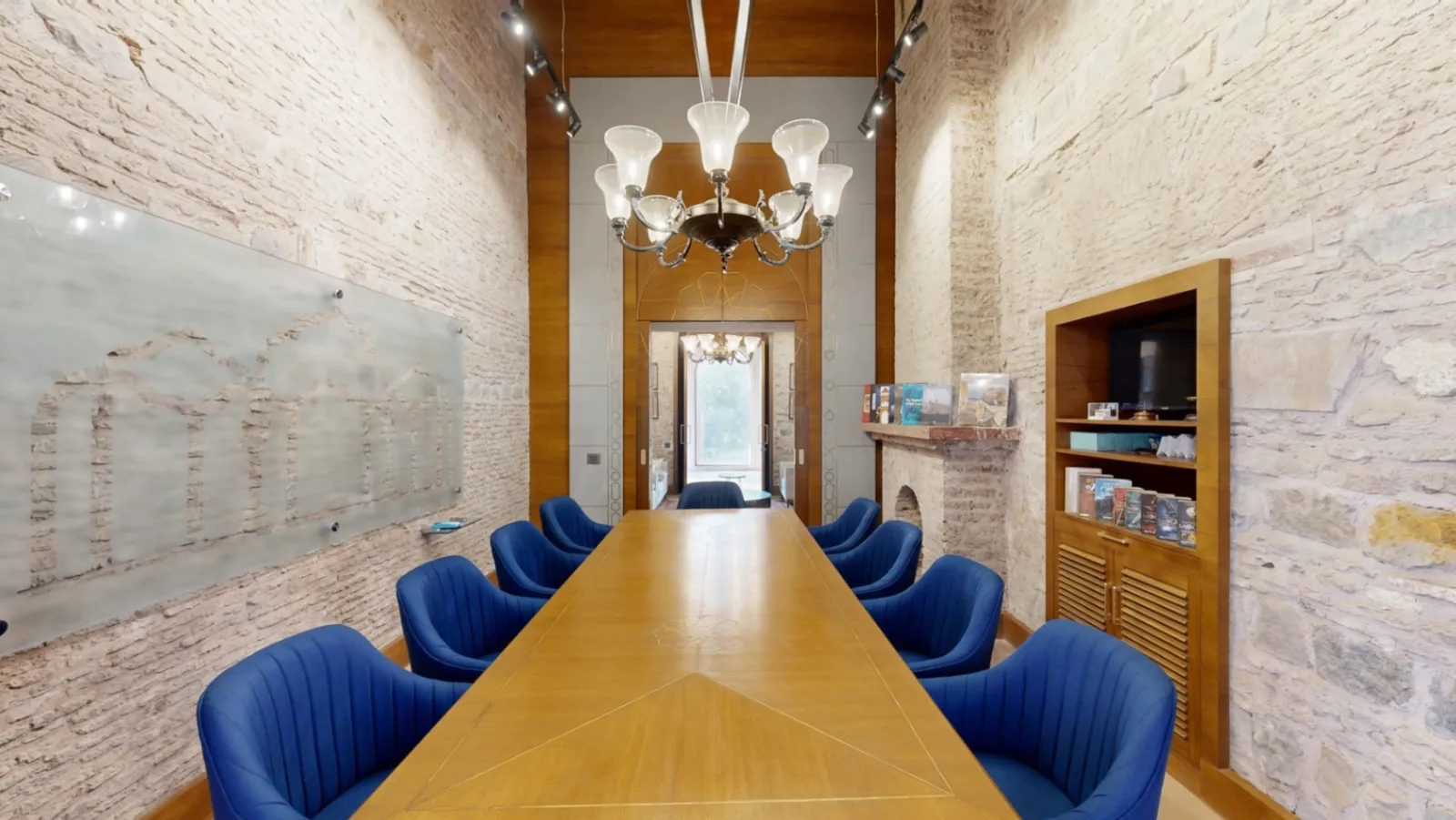
VRDiwan-i-khas
400 guests max66,416 sq.ft.
Netaji Subhash Marg, Lal Qila, Chandni Chowk, New Delhi, Delhi, 110006, India
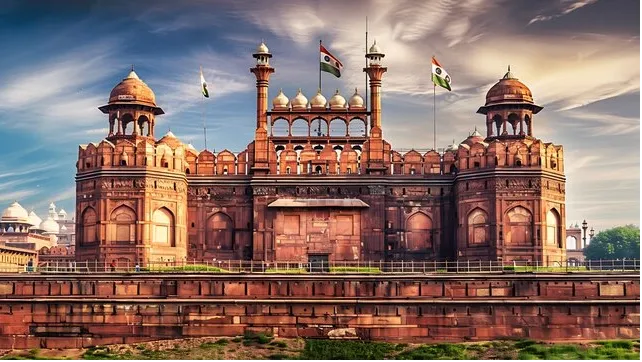
A UNESCO World Heritage Site commissioned by Mughal Emperor Shah Jahan in 1638, Red Fort anchors one of Delhi's most historically charged addresses — and brings that same monumental gravitas to private events held within its precincts. Red Fort accommodates up to 400 guests in a floating setup, making it a rare category of venue where living history and contemporary event hosting intersect. The latticed sandstone ramparts, the iconic Lahori Gate, and the ceremonial Chatta Chowk arcade form an arrival sequence no modern banquet hall can replicate, setting the tone for events before a single guest is seated.
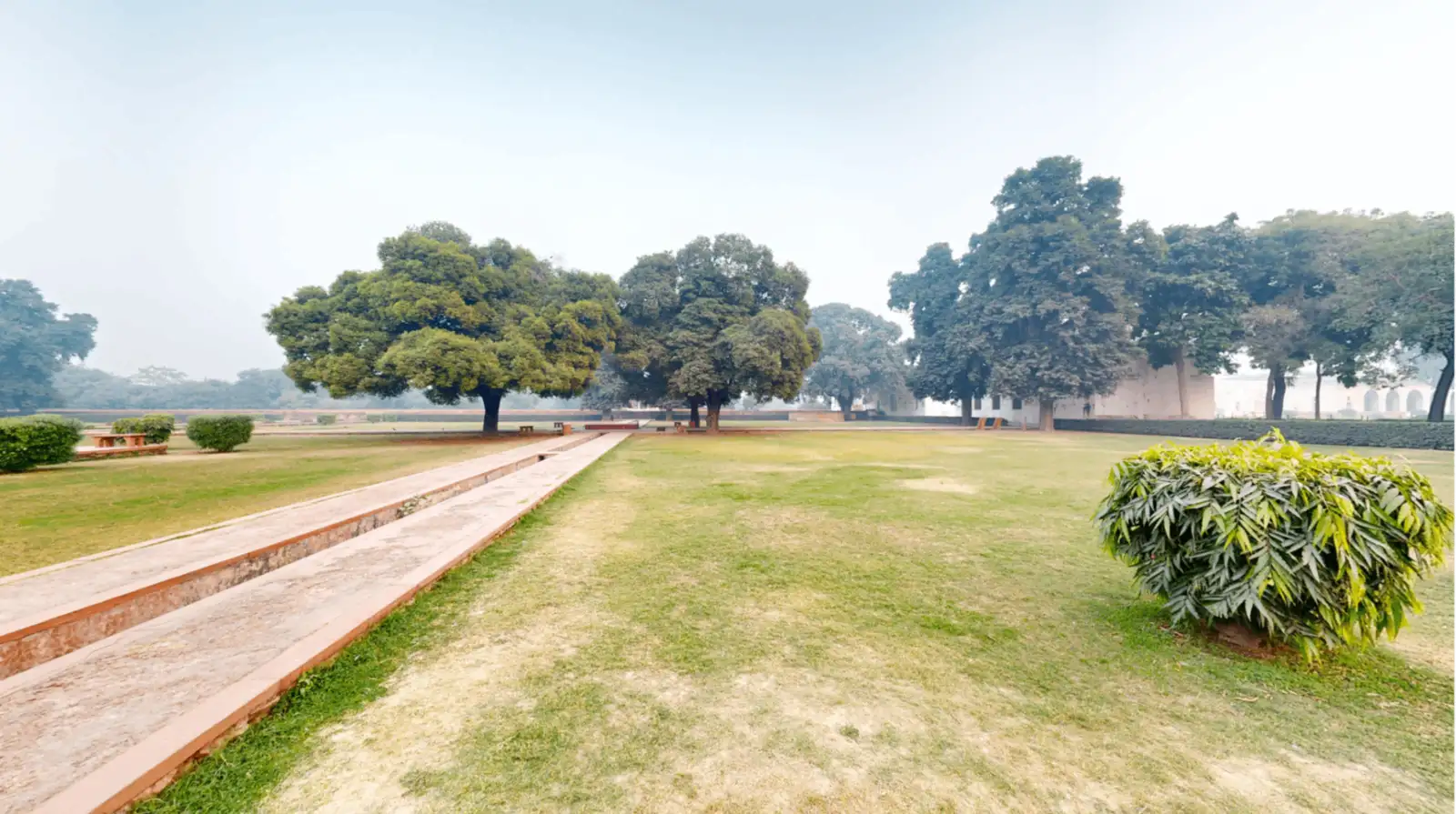
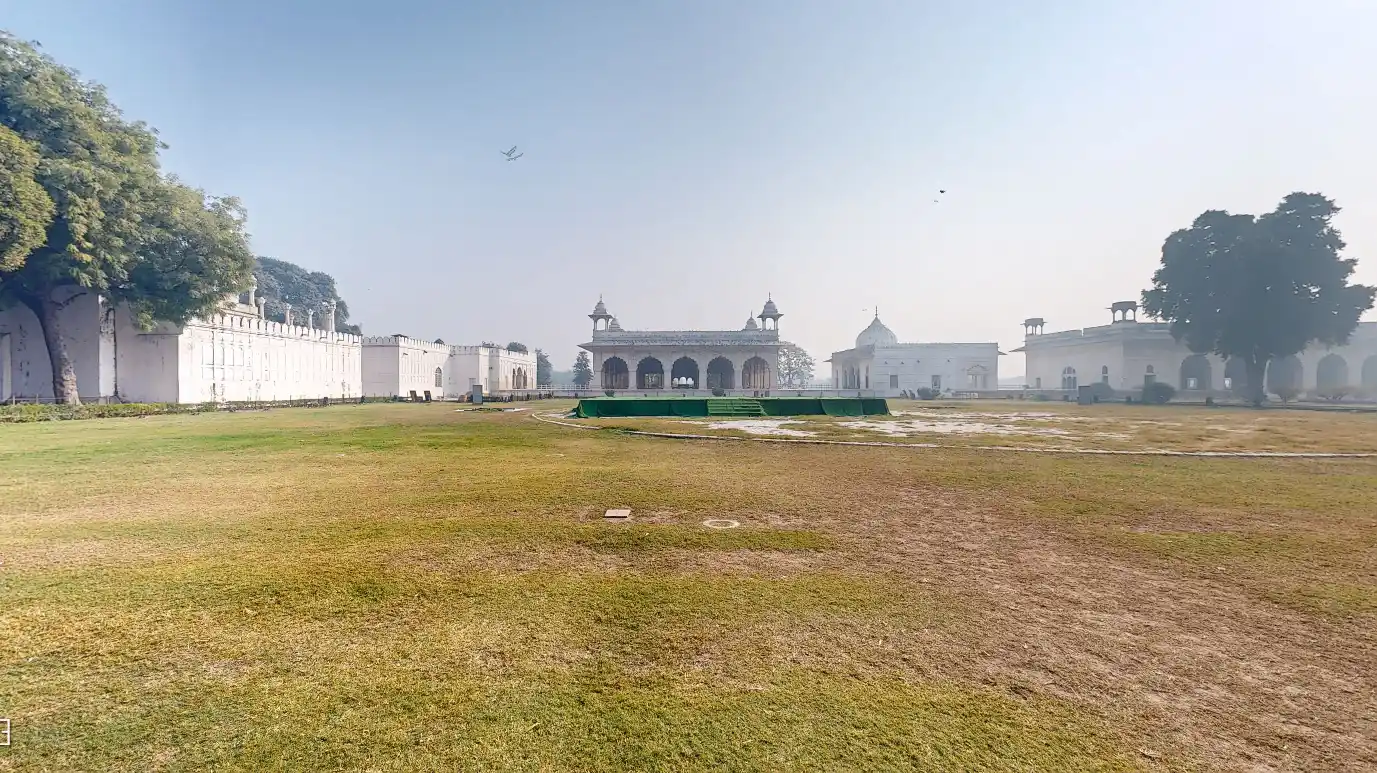
The primary event areas within Red Fort's permitted zones include the expansive lawns flanking the Diwan-i-Aam (Hall of Public Audience) and designated open-air precincts that can be configured for theatre-style seating, hollow-square roundtable formats, or full floating cocktail receptions for up to 400 guests. The arrival flow through the Chatta Chowk arcade naturally separates guest entry from vendor access, a functional advantage planners of large corporate events and cultural gatherings consistently appreciate. Event infrastructure — staging, lighting rigs, PA systems — is brought in by approved vendors, and all technical specifications must align with Archaeological Survey of India (ASI) preservation mandates.
Red Fort has served as the backdrop for India's Independence Day celebrations, national cultural programmes, and high-profile government-sanctioned events, making it a credible location for large-scale ceremonial corporate occasions and cultural galas. For MICE bookers seeking a venue that communicates prestige without a word of explanation, few addresses in the country carry equivalent weight. The honest limitation planners must factor in: all events require prior clearance from the ASI, and the permissible event calendar is tightly regulated, meaning the RFP and approvals timeline is significantly longer than that of a conventional banquet facility. External catering and temporary infrastructure must also comply with strict conservation guidelines.
Red Fort holds UNESCO World Heritage Site status, conferred in 2007, and is classified as a nationally protected monument under the ASI. For event planners, this classification carries a direct practical implication: the property's regulatory pedigree assures stakeholders that the setting is globally recognised and rigorously maintained. It also signals that any event hosted here has passed a multi-authority approval process — an implicit quality filter that lends credibility to the organiser. Brands, government bodies, and cultural institutions that have staged events here benefit from an association that no purpose-built venue can manufacture.
Red Fort appears on Spalba with verified capacity data, event-type filters, and direct enquiry tools that allow planners to submit structured event briefs to the property's coordinating authority. Given the ASI's regulated approvals process, early-stage enquiry — well ahead of the intended event date — is essential rather than optional. Planners evaluating this location for a ceremonial corporate event, a national cultural programme, or a high-visibility brand activation should use the Spalba listing to compare layout configurations, review capacity parameters against their guest list, and initiate the formal enquiry process with accurate event specifications in hand.
No reviews yet. Be the first to share your experience at Red Fort.
Red Fort's expansive courtyards and open grounds can host large-scale cultural gatherings and heritage property events in Delhi, though exact capacity figures vary by the specific zone used and requisite permissions from the Archaeological Survey of India. Planners should submit a detailed event brief on Spalba to receive an accurate capacity assessment for their format.
Event space availability within Red Fort is governed by Archaeological Survey of India regulations, and not all zones are open for private hire. Planners seeking access to specific courtyards or open precincts for cultural, cinematic, or state-level events must obtain ASI clearance. Submitting an enquiry through the Spalba listing initiates the documentation and permissions guidance process.
Red Fort's primary event areas are open-air, making it well-suited for evening cultural programmes, sound-and-light shows, and ceremonial gatherings. Delhi's monsoon season from July to September introduces weather risk for outdoor events. Planners are advised to build covered staging or temporary tensile structures into their layouts, subject to ASI approval for any temporary installation on heritage grounds.
Catering within a protected ASI monument such as Red Fort is subject to strict heritage conservation guidelines. External empanelled vendors approved for heritage precincts are typically required, and open-flame cooking is generally restricted. Planners coordinating banquet or catering logistics for events at this Chandni Chowk heritage venue should confirm the approved vendor list through the Spalba enquiry channel before finalising menus.
Red Fort does not maintain a permanent in-house AV inventory as a commercial venue. All sound systems, LED screens, projection equipment, and lighting rigs must be brought in by licensed vendors and installed within ASI-approved parameters to protect the monument's structure. Power load requirements and cable routing must be pre-approved. Spalba can connect planners with experienced vendors familiar with heritage-site technical compliance.
Red Fort is a monument and does not provide on-site accommodation. Outstation guests and delegations typically stay in nearby hotels in Chandni Chowk, Connaught Place, or Aerocity. Several heritage and premium hotel options are available within a 5 to 15 kilometre radius. Planners can note accommodation preferences when submitting an event enquiry via the Spalba listing for consolidated coordination support.
Red Fort is approximately 22 to 25 kilometres from Indira Gandhi International Airport, with road travel time ranging from 40 to 75 minutes depending on traffic. The nearest Delhi Metro station is Lal Qila on the Violet Line, located directly adjacent to the monument, making it one of the most accessible heritage event venues in Chandni Chowk for both local and outstation attendees.
The ground-level precincts and main pathways within Red Fort offer limited accessibility for differently-abled guests, though the monument's heritage status restricts structural modifications. Event organisers should plan for temporary ramp solutions where feasible and seek ASI guidance on permissible accessibility installations. Confirming accessibility requirements upfront through Spalba ensures the planning team can address mobility needs within heritage compliance boundaries.
Dedicated parking adjacent to Red Fort is available at designated lots near the Lahori Gate and Netaji Subhash Marg. For large events, authorities typically coordinate with Delhi Traffic Police for expanded parking and vehicular management. Valet services can be arranged through event management vendors. Planners should factor guest volume and arrival timing into the logistics plan submitted via Spalba.
Securing Red Fort for a heritage property event in Delhi requires significantly more lead time than a commercial venue, given the multi-agency permissions process involving the Archaeological Survey of India, Delhi Police, and local civic bodies. A minimum of six to twelve months of advance planning is strongly advisable for large-scale events. Beginning the Spalba enquiry process early ensures permission timelines are built into the event roadmap.
Hosting any private or commercial event at Red Fort mandates written approval from the Archaeological Survey of India, which is the custodian of the monument. Depending on event scale, clearances from Delhi Police, the North Delhi Municipal Corporation, and fire safety authorities may also be required. Planners should initiate the Spalba enquiry well in advance to receive a structured checklist of required approvals.
Cancellation terms for events at Red Fort are governed by the permissions framework set by the Archaeological Survey of India and any coordinating government agencies, rather than a standard commercial venue policy. Non-refundable fees may apply for certain permit applications regardless of event cancellation. Planners are advised to review all permission-related fee structures in detail before confirming commitments through the Spalba enquiry process.
Red Fort's heritage event venues in the Chandni Chowk precinct are best suited for high-profile, ceremonial, or culturally significant one-day or evening corporate events rather than multi-day residential conferences, given the absence of in-house accommodation and commercial AV infrastructure. For MICE formats requiring sustained technical setups over multiple days, ASI approval timelines and conservation restrictions must be factored into the planning brief submitted on Spalba.
Red Fort holds protected monument status under the Ancient Monuments and Archaeological Sites and Remains Act, which significantly restricts its use for private weddings or commercial celebrations. Any wedding-related event on heritage grounds requires explicit ASI permission and must comply with conservation mandates. Couples and planners exploring this option should use the Spalba enquiry form to understand current ASI guidelines before advancing plans.
As a monument administered by the Archaeological Survey of India, a government body, billing and invoicing for permitted events at Red Fort follows government fee and receipt structures rather than standard commercial GST invoicing practices. Corporate planners requiring formal tax-compliant documentation should clarify billing requirements with ASI directly and note these needs when initiating the coordinated enquiry process through the Spalba listing.