
 VR
VRDiwan-i-khas
400 guests max66,416 sq.ft.
Delhi, India, India
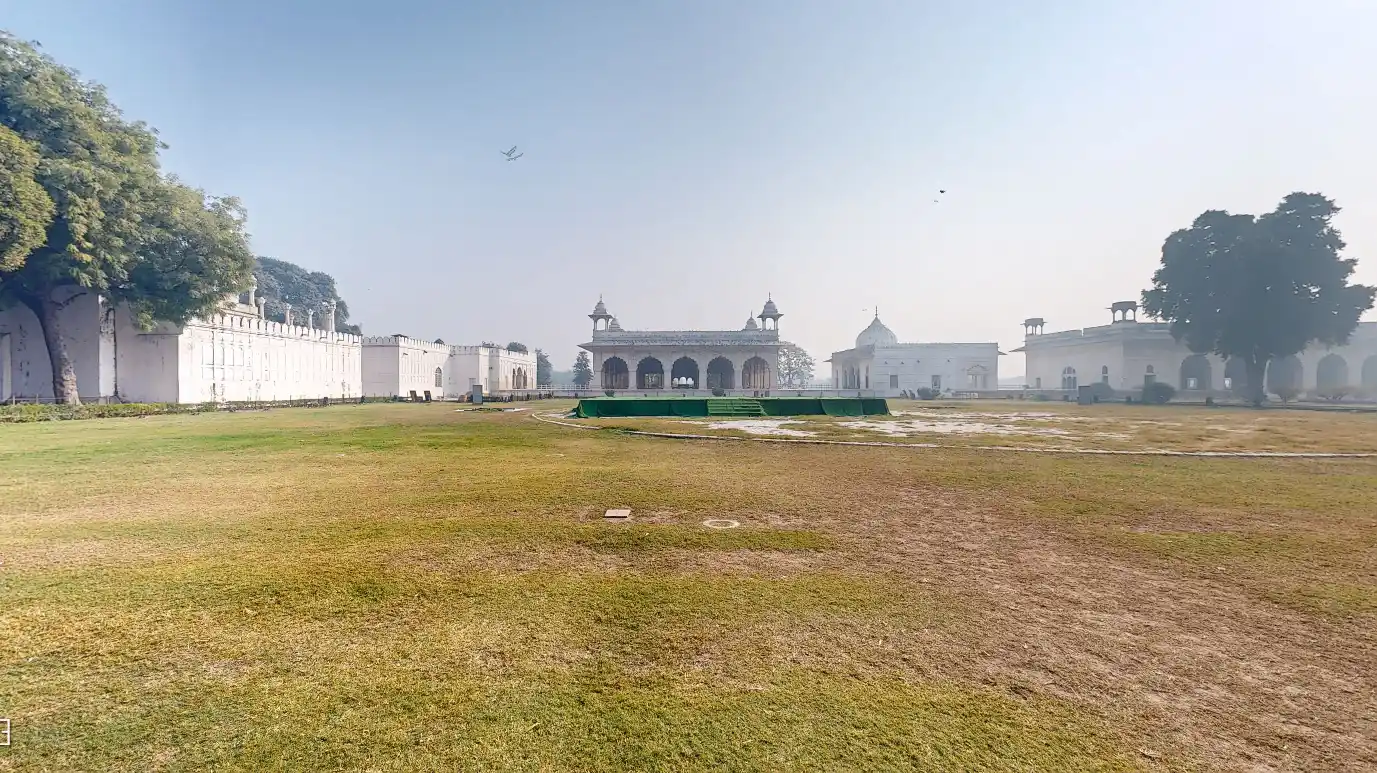
Sawan Badho is an event venue located within the Red Fort complex in Chandni Chowk, Delhi — one of India's most iconic UNESCO World Heritage Sites. The Red Fort, commissioned by Mughal Emperor Shah Jahan and completed in 1648, stands as a monument to the grandeur of Mughal architecture, and Sawan Badho draws directly from that legacy. The name itself references the twin pavilions — Sawan and Bhadon — built within the fort's inner precincts, historically associated with the monsoon months and the ceremonial life of the Mughal court. Hosting an event in this setting places guests inside centuries of living history, creating an atmosphere that no purpose-built banquet hall can replicate.
The space carries the hallmarks of Mughal design: ornate marble craftsmanship, open-air pavilion structures, and a sense of scale that is both intimate and commanding. The architectural character is inherently distinctive, making it a backdrop that reduces the need for elaborate external decoration. Natural light plays across the stonework differently through the day, and the fort's towering red sandstone walls form a dramatic frame for any gathering held within.
Sawan Badho is suited to events where setting and prestige are central considerations. Corporate events, heritage-themed cultural evenings, high-profile social gatherings, and ceremonial occasions all find a natural home here. The venue's historic associations make it particularly compelling for event planners seeking a narrative — a location that communicates significance simply by existing. Private dinners, curated cultural programmes, and formal receptions are among the formats that align well with the pavilion's scale and character.
Given its location within a protected heritage monument, the nature and scale of events that can be hosted here are subject to permissions and guidelines issued by the Archaeological Survey of India (ASI), which manages the Red Fort. Organisers planning events at Sawan Badho should engage early with the permissions process and work closely with the relevant authorities and venue coordinators to ensure full compliance.
The Red Fort sits at the edge of Chandni Chowk, the historic commercial and cultural heart of Old Delhi. The main entrance on Netaji Subhash Marg is well connected by multiple modes of transport. Chandni Chowk Metro Station on the Yellow Line is within easy walking distance of the fort, making the venue accessible from across the Delhi NCR without reliance on private vehicles. The area is also served by extensive bus routes and auto-rickshaw connections throughout Old Delhi.
For guests travelling from other parts of the city, the fort is approximately 14 kilometres from Indira Gandhi International Airport, though travel times vary significantly depending on traffic. The surrounding neighbourhood — dense, historic, and full of character — adds to the experiential quality of arriving at and departing from the venue. Delegates and guests travelling from Connaught Place or the central business districts of New Delhi can reach Chandni Chowk in under 30 minutes by Metro, making the Red Fort a genuinely central and well-linked destination for Delhi-wide events.
No reviews yet. Be the first to share your experience at Red Fort.
Sawan Badho refers to the twin pavilions — Sawan and Bhadon — located within the inner precincts of the Red Fort, a UNESCO World Heritage Site built under Mughal Emperor Shah Jahan and completed in 1648. The names reflect the two monsoon months of the Mughal calendar and the pavilions were historically associated with the ceremonial life of the Mughal court. Hosting an event here places guests inside one of India's most storied architectural settings. Prospective organisers should confirm current access and event provisions directly with the managing authority.
The venue is well suited to corporate events, heritage-themed cultural evenings, high-profile social gatherings, formal receptions, and ceremonial occasions where the prestige of the setting is a key consideration. Its Mughal architectural character makes it particularly compelling for events that benefit from a distinctive historical backdrop. The types and scales of events permitted are subject to guidelines set by the Archaeological Survey of India (ASI). Organisers are advised to discuss their specific event format with the venue coordinator at the earliest stage.
The Red Fort is managed by the Archaeological Survey of India (ASI), a government body responsible for the protection and administration of India's heritage monuments. Any event held within the fort complex requires prior permission from the ASI, and organisers must comply with the guidelines governing activities at protected heritage sites. It is strongly recommended to initiate the permissions process well in advance of the planned event date. Contact details and application processes can be obtained through official ASI channels.
Given that Sawan Badho sits within a protected UNESCO World Heritage Site administered by the ASI, the permissions and approvals process can be more involved than for a standard commercial venue. Organisers should begin the process as early as possible — ideally several months before the intended event date — to allow adequate time for application review and any revisions. The exact lead time required will depend on the nature and scale of the event. Direct consultation with the ASI and the venue's event coordination team is essential for accurate timelines.
Sawan Badho is structured as a pavilion-style space within the Red Fort complex, consistent with the open and semi-open architectural forms characteristic of Mughal court buildings. This means the setting has inherent exposure to the elements, which is part of its atmospheric appeal but also a practical consideration for event planning. Organisers should discuss weather contingency arrangements — such as temporary shelter structures, if permitted — with the venue team. ASI guidelines will determine what temporary installations are allowable within the heritage precinct.
Because Sawan Badho sits within a UNESCO World Heritage Site, décor and setup are subject to strict conditions designed to protect the monument's integrity. Permanent fixtures, adhesives, drilling, or any intervention that could damage the historic fabric of the space are not permitted. The Mughal architecture itself — ornate marble craftsmanship and red sandstone walls — serves as a powerful visual backdrop that reduces the need for heavy external decoration. Organisers must liaise closely with the ASI and venue coordinators to ensure all setup plans are compliant.
Catering arrangements at Sawan Badho are subject to the operational policies of the ASI and any licensed event management entity involved in administering the space. Whether in-house catering is available or external vendors must be engaged has not been publicly confirmed and will need to be verified directly with the relevant authority. Any catering operation within the fort complex is likely subject to conditions that protect the heritage environment. Prospective clients should request a full breakdown of catering options and restrictions when making their initial enquiry.
The Red Fort is exceptionally well connected by Delhi's public transport network. Chandni Chowk Metro Station on the Yellow Line is within easy walking distance of the fort's main entrance on Netaji Subhash Marg, providing direct access from across the Delhi NCR. The area is also served by extensive bus routes and auto-rickshaw connections throughout Old Delhi. For guests travelling from Connaught Place or central New Delhi, the journey by Metro typically takes under 30 minutes.
The Red Fort is approximately 14 kilometres from Indira Gandhi International Airport. Actual travel time varies considerably depending on traffic conditions, which in central Delhi can be significant, particularly during peak hours. Guests travelling from the airport are advised to allow ample time and consider using the Delhi Metro, which connects the airport to central Delhi without the uncertainty of road congestion. The Yellow Line's Chandni Chowk station provides the most convenient Metro access to the fort.
Chandni Chowk is a dense, historic urban neighbourhood and parking in the immediate vicinity of the Red Fort is limited. Event planners hosting a significant number of guests arriving by private vehicle should arrange designated parking solutions in advance, as on-site parking within the fort complex is not available for event guests in the conventional sense. Using the Delhi Metro is strongly encouraged as an alternative, given the proximity of Chandni Chowk Metro Station. Specific parking coordination can be discussed with the event management team during the planning process.
As a protected heritage monument, the Red Fort complex is subject to noise and environmental regulations that are likely to limit the use of high-decibel amplified sound systems and intrusive lighting installations. The surrounding Chandni Chowk area is also densely populated, which adds a further practical dimension to noise management. Organisers planning events with live music, DJ sets, or large-scale AV production should clarify permissible sound levels and lighting specifications directly with the ASI and the venue team before finalising any technical requirements.
The Red Fort is a heritage monument and does not provide on-site accommodation. Guests attending events at Sawan Badho will need to arrange their stay at nearby hotels in Old Delhi, Chandni Chowk, or across the wider Delhi NCR. The area has a range of hotel options at varying price points, and the Metro connection makes properties in central and south Delhi equally accessible. Event coordinators can often assist with hotel block booking recommendations upon request.
Booking a venue within the Red Fort complex involves engaging with the ASI and, where applicable, any authorised event management partner that holds the rights to organise events at the site. There is no standard online booking process comparable to a commercial hotel venue. Interested organisers should approach the ASI directly and, where relevant, work through Spalba's enquiry process to be connected with the appropriate contacts. Early outreach is essential given the permissions and approvals involved.
The Mughal pavilion setting of Sawan Badho, with its ornate marble detail and historic grandeur, can create an extraordinary backdrop for a wedding ceremony or reception. However, weddings at a protected heritage site involve a more complex permissions and logistics process than at a conventional banquet venue. The scale, format, and specific elements of a wedding event would all need to meet ASI guidelines. Couples considering this venue should begin discussions with the relevant authorities early and work with an experienced event planner familiar with heritage-site bookings.
Very few event spaces in the world are set within a UNESCO World Heritage Site built in the 17th century. Sawan Badho offers an atmosphere rooted in Mughal imperial history — the red sandstone walls, the pavilion architecture, and the cultural resonance of the Red Fort itself are elements that no purpose-built banquet hall can replicate. For corporate events, cultural evenings, or ceremonial occasions where prestige and uniqueness of setting are priorities, the venue offers something genuinely irreplaceable. The trade-off is a more involved planning and permissions process, which experienced event organisers can navigate effectively.